
Blooming
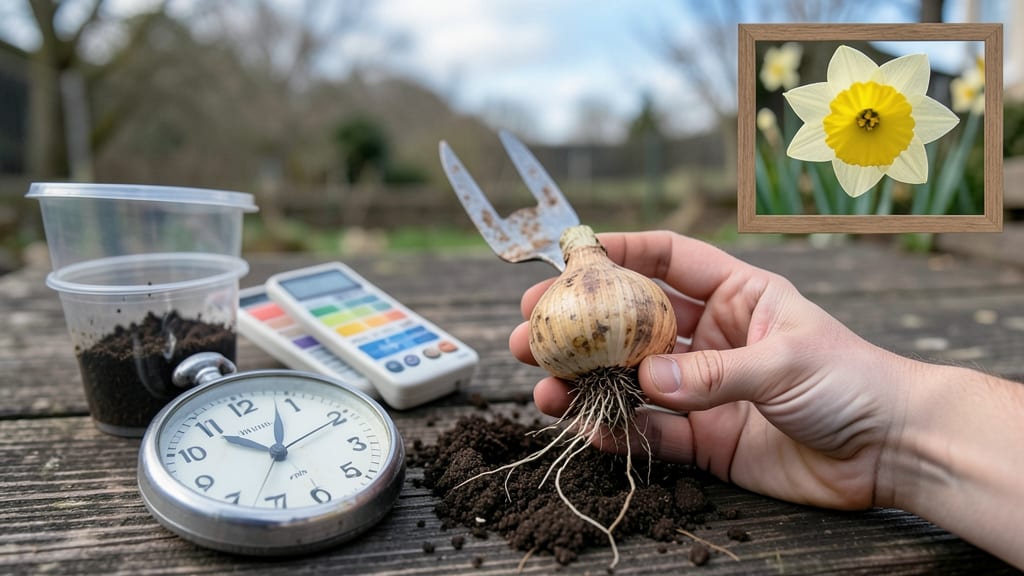
Why didn’t my daffodils bloom this year? Your daffodils might be hiding their blooms for one of five simple reasons—most fixable by next spring. 🌱 I’ve seen gardens full of green grass but no daffodil flowers, and it always comes down to the same overlooked basics: planting depth, sunlight, or even last year’s fertilizer habits. The biggest culprit? Planting bulbs too shallow or too deep. Daffodils need 6-8 inches of soil coverage—they’re not picky like tulips. Too shallow and they’ll poke through early; too deep and they’ll starve underground. Then there’s sunlight: six hours of sun is non-negotiable, and over-fertilizing with nitrogen (the "green grass" fertilizer) steals energy from blooms. Here’s the good news: most of these fixes take 10 minutes and a trowel. Next fall, adjust your planting depth, side-dress with low-nitrogen bulb food, and watch for those familiar trumpet-shaped buds by March. The key is patience—daffodils often bloom the second year after fixing mistakes. For now, mark your calendar: late September to early October is the perfect window to replant or adjust. Even if this year’s bulbs are stubborn, next season’s display will make it worth the wait.
Hidden Culprits Behind Skipped Blooms
Daffodils are famously hardy, but even the toughest plants can throw a bloomless tantrum when conditions aren’t quite right.
If your daffodils sent up green leaves but refused to flower this year, the issue likely stems from one (or more) of these five key factors—each with a clear scientific explanation and actionable fixes. Let’s dig into the dirt to uncover why your daffodils played hide-and-seek with their blossoms.
Daffodils (Narcissus spp.) are sun-worshippers—they thrive in full sun (6–8 hours daily) but can become lazy bloomers in shade. Here’s the science: - Photosynthesis slowdown: Low light reduces chlorophyll production, weakening the plant’s energy reserves.
Without enough sunlight, the bulb stores less starch, delaying or halting flower bud formation. - Temperature mismatch: Cool-season daffodils need bright light + chilly temps (50–60°F) to trigger blooming. Shady spots often stay too warm, confusing the plant’s internal clock (circadian rhythm).
Fix it:
- Move daffodils to a sunnier spot (even partial sun is better than deep shade).
- If relocating isn’t possible, thin nearby trees/shrubs to increase light penetration.
- Pro tip 💡: Test your garden’s sunlight with a sunlight map app (like SunCalc) to pinpoint the shadiest spots.
Daffodils are cool-season bloomers, meaning they need specific temperature cues to flower. Get the timing wrong, and they’ll skip the show: - Too-warm winters: If temps stay above 40°F (4°C) for weeks, the bulb’s vernalization process (a cold requirement for flowering) gets interrupted.
Without this chill period, the plant treats spring like another winter and holds off blooming. - Early spring heatwaves: Sudden warmth before the last frost can trick daffodils into sending up leaves too soon, then shocking them when frost returns.
This diverts energy to leaf growth instead of flowers. - Late planting: Bulbs planted after early fall (ideal: 6–8 weeks before first frost) may not establish strong roots, weakening their ability to bloom.
Fix it:
- Chill-test your zone: Daffodils need 4–8 weeks below 50°F (10°C). If your winters are mild (e.g., Zones 8–10), choose tropical daffodil varieties (like Narcissus papyraceus) that bloom without cold.
- Mulch strategically: Apply 3–4 inches of mulch after planting to protect roots from extreme temp swings.
- Pro tip ⏰: Plant bulbs as soon as possible in fall—even a few weeks early helps!
Water is a double-edged sword for daffodils. Too much or too little throws off their bloom cycle: - Overwatering: - Root suffocation: Waterlogged soil cuts off oxygen, causing anaerobic conditions that weaken the bulb’s energy stores.
Without enough starch, flower buds fail to develop. - Fungal risks: Excess moisture invites bulb rot (Fusarium or Botrytis), which starves the plant before it can bloom. - Underwatering: - Stress response: Drought forces daffodils to prioritize survival over reproduction, diverting energy to root growth instead of flowers. - Leaf scorch: Wilting leaves can’t photosynthesize efficiently, leaving the bulb energy-depleted for blooming.
Fix it:
- Water deeply but infrequently: Aim for 1 inch of water per week (including rain). Let soil dry slightly between waterings—well-draining soil is key.
- Avoid soggy spots: Plant daffodils on a slight slope or amend heavy clay with compost/sand to improve drainage.
- Pro tip 🌡️: Check soil moisture with your finger—top 2 inches should be dry before watering again.
Daffodils are light feeders, but too much (or the wrong) fertilizer can backfire: - Excess nitrogen (N): - Leafy monsters: High N promotes foliage at the expense of flowers.
Think of it like a bodybuilder with no gains—all growth, no blooms. - Delayed flowering: N-heavy soils can suppress flower bud formation by encouraging vegetative growth. - Lack of phosphorus (P): - Energy shortage: Phosphorus is critical for flower development and root growth.
Deficient bulbs may produce weak, sparse blooms or none at all. - Over-fertilizing in spring: - Timing matters: Fertilizing after blooming (when leaves are still green) is ideal. Feeding in early spring can stimulate leaves but delay or prevent flowers.
Fix it:
- Use a balanced, low-N fertilizer: Opt for a 5-10-10 or 10-10-10 ratio (e.g., 10-10-10) applied after blooming (when leaves yellow).
- Add bone meal: Mix 1–2 tbsp of bone meal into planting holes at fall planting for a phosphorus boost.
- Pro tip 🎯: Skip spring fertilizers—daffodils don’t need them to bloom!
Even healthy daffodils need time and space to perform:
- Old or weak bulbs:
- Energy depletion: Bulbs older than 5–7 years may exhaust their reserves, leading to fewer (or no) blooms.
- Disease/damage: Bulbs affected by viral infections (like Narcissus yellow stripe virus) or pest damage (squirrels, voles) may fail to bloom.
- Overcrowding:
- Competition for nutrients: Daffodils multiply via offsets, but too many bulbs in one spot leads to smaller, weaker blooms (or none).
- Poor airflow: Crowded plants are more prone to fungal diseases, which can stunt flowering.
Fix it:
- Dig up and divide bulbs: Every 3–5 years, lift daffodils, separate offsets, and replant the healthiest, largest bulbs.
- Thin congested beds: Remove small, weak bulbs to give remaining plants more space (6–8 inches apart).
- Pro tip 🔥: Discard mushy or shriveled bulbs—they’re unlikely to recover and may spread disease.
Next up: How to Revive Your Daffodils for Next Year’s Blooms
Revive Your Daffodils Now
Daffodils that refuse to bloom can feel like a garden mystery, but the good news is that most issues have simple fixes. Below, we’ll match the most likely causes of your non-blooming daffodils with practical, step-by-step solutions—plus tips to keep them thriving for next year.
Let’s get your garden back on track!
Problem: Daffodils need full sun (6+ hours daily) to bloom. Too much shade or scorching heat can stunt their growth.
How to Fix It: 🔥 🌿 Relocate or Thin Out Shade
- Move potted daffodils to a sunnier spot immediately.
- If planted in the ground, trim back overgrown trees, shrubs, or tall grasses blocking sunlight.
- Pro Tip: 💡 If relocating isn’t possible, opt for shade-tolerant bulbs (like snowdrops) in low-light areas.
🌡️ 🌞 Protect from Scorching Heat
- In hot climates, provide light afternoon shade (use a sheer cloth or lattice).
- Water deeply early in the morning to reduce heat stress.
Prevention for Next Year: ✅ Plant daffodils in south-facing beds (northern hemisphere) or north-facing beds (southern hemisphere). ✅ Avoid planting under dense evergreens (they compete for nutrients and cast deep shade).
Problem: Waterlogged soil or soggy conditions can rot bulbs, preventing blooms.
How to Fix It: 🔥 💦 Drainage First!
- Dig up the bulb (gently!) and check for soft, mushy roots—a sign of rot. Trim any damaged areas with sterilized scissors.
- Replant in well-draining soil: Mix in sand, perlite, or compost to improve texture.
👨🍳 🌱 Adjust Your Watering Routine
- Water only when the top 2 inches of soil are dry (stick your finger in to test!).
- Ensure pots have drainage holes and saucers underneath.
Prevention for Next Year: 🌡️ 🏗️ Raise Beds or Use Containers
- Plant in elevated beds or containers if your yard has heavy clay soil.
- Mulch lightly (1–2 inches) to retain moisture without suffocating roots.
Problem: Too much fertilizer (especially high-nitrogen) = leafy greens, no blooms. Too little = weak growth.
How to Fix It: 🔥 🌿 Balance Your Fertilizer
- Stop nitrogen-heavy feeds (like lawn fertilizer). Instead, use a low-nitrogen, high-phosphorus fertilizer (e.g., 5-10-10).
- Apply in early fall (when planting) and early spring (after leaves emerge).
🍳 🥗 Boost Soil Health Naturally
- Mix in well-rotted compost or bone meal (for phosphorus) around the base.
- Avoid fresh manure—it can burn bulbs!
Prevention for Next Year: ✨ 📊 Test Your Soil
- Use a DIY soil test kit (available at garden centers) to check pH (ideal: 6.0–7.0).
- Adjust with lime (to raise pH) or sulfur (to lower pH) if needed.
Problem: Daffodils need cool dormancy and proper depth to bloom.
How to Fix It: 🔥 🌱 Replant Correctly
- Dig up bulbs in early summer (after foliage yellows) and replant in fall (6–8 weeks before first frost).
- Depth rule: Plant 3x deeper than the bulb’s height (e.g., a 2-inch bulb goes 6 inches deep).
👨🍳 🏗️ Choose the Right Spot
- Plant in well-draining soil—never in low spots where water pools.
- Space bulbs 3–6 inches apart for airflow (prevents rot).
Prevention for Next Year: 🎯 🗓️ Mark Your Calendar
- Fall planting is critical—daffodils need cool temps (40–50°F) to root.
- Avoid spring planting—bulbs won’t establish properly.
Problem: Squirming critters (squirrels, deer, rodents) or fungal issues can steal nutrients.
How to Fix It: 🔥 🛡️ Protect Against Pests
- Physical barriers: Use chicken wire over bulbs in high-risk areas.
- Repellents: Sprinkle hot pepper flakes or granulated garlic around plants (deer hate it!).
- Traps: Set humane squirrel traps if they’re digging up bulbs.
🌡️ 🍄 Treat Fungal Issues
- If leaves show black spots or mold, remove affected foliage and spray with neem oil.
- Improve airflow by spacing plants properly.
Prevention for Next Year: 💡 🌿 Rotate Plantings
- Avoid planting daffodils in the same spot yearly—this reduces pest buildup.
- Interplant with pest-repelling flowers like alliums or marigolds.
Even if this year’s daffodils skip blooming, don’t give up—they often rebound!
Here’s how to guarantee better blooms next spring: - Let foliage die back naturally (don’t cut it early—this starves the bulb!). - Avoid disturbing bulbs unless necessary (they’re tough but hate frequent moves). - Plant in groups (3+ bulbs together) for stronger, showier blooms.
Your daffodils will thank you next spring! With these fixes, you’ll be back to admiring vibrant, cheerful blooms in no time. 🌼✨
Frequently asked questions
Why do my daffodils have leaves but no flowers?
Your daffodils might be prioritizing leaf growth over blooms due to excess nitrogen (like lawn fertilizer) or insufficient sunlight. These conditions trick the plant into focusing on foliage instead of energy-intensive flowers. Try switching to a low-nitrogen bulb fertilizer and moving them to a sunnier spot.
Can I still get flowers if I planted daffodils too late last fall?
Late planting can delay blooming, but don't give up! Daffodils planted 4-6 weeks before frost may still bloom, though possibly smaller. For next year, aim to plant 6-8 weeks before your first frost date—this gives roots time to establish before winter. Even late-planted bulbs often recover and bloom the following year.
How do I know if my daffodil bulbs are too crowded?
Overcrowding happens when bulbs are planted too close (less than 3 inches apart) or haven't been divided in 3-5 years. Look for small, weak stems or fewer blooms per stem—these are classic signs. Dig up the clump, separate the bulbs, and replant the largest ones with 6 inches between each for better airflow and blooms.
Will cutting back daffodil leaves after blooming help next year's flowers?
Never cut leaves until they turn completely yellow! The foliage feeds the bulb for next year's blooms. If you remove it too soon, you're starving the bulb. Let leaves die back naturally, then trim them at the base. This simple step ensures your daffodils store enough energy for bigger, more abundant blooms next spring.
Can I force daffodils to bloom earlier by fertilizing now?
No—fertilizing in spring actually delays blooming! Daffodils bloom based on their internal clock triggered by cool fall temperatures, not spring feeding. Wait until after blooming (when leaves are still green) to apply a low-nitrogen fertilizer. This gives them energy for next year's flowers without interfering with their natural cycle.