
Blooming
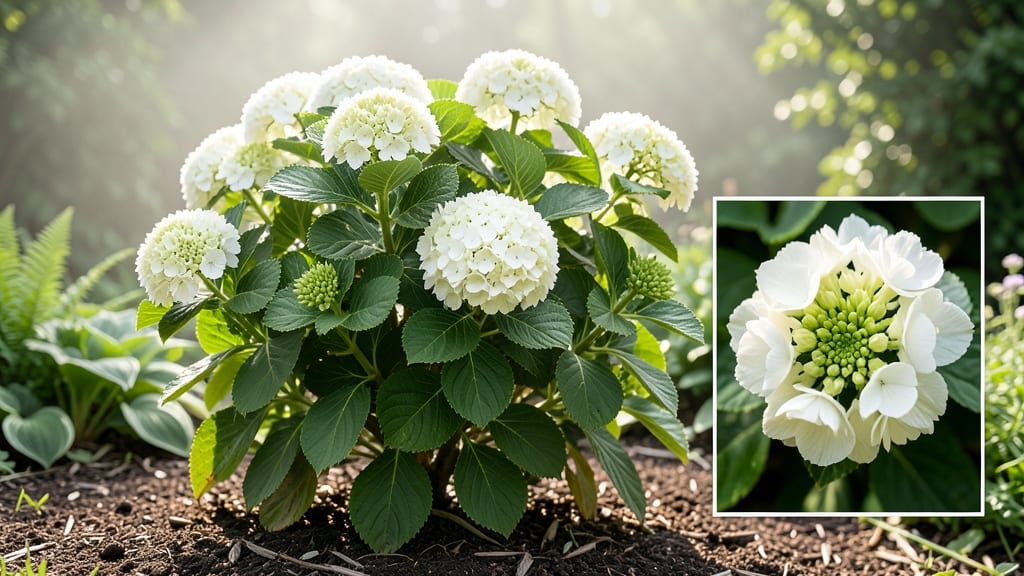
The white wedding hydrangea bloom time is your garden’s secret to timing those dreamy white blooms just right 🌸 — and getting it wrong could mean waiting months longer than you expected.
Picture this: You’ve spent months planning your wedding, and those showstopping white hydrangeas you envisioned as bouquets or ceremony arches arrive late—or worse, never open at all. The good news?
With the right timing, you can ensure your White Wedding Hydrangea blooms when you need them most, whether that’s for summer weddings or year-round garden displays.
This shrub blooms on old wood, meaning last year’s growth holds next year’s flowers. That’s why pruning after blooms is critical—and why knowing your climate zone (especially if you’re in Zone 6a) can shift bloom windows by weeks.
We’ll break down the exact months for peak blooms, how to adjust for early or late seasons, and the care tweaks that keep those flowers coming.
Ready to plan? You’ll learn how to read your plant’s cues, when to fertilize for bigger blooms, and the one pruning mistake that could cost you a whole season of flowers. Let’s get those White Wedding Hydrangeas blooming on schedule!
When do white wedding hydrangeas bloom? Exact months by variety
White wedding hydrangeas are the stars of summer gardens, but their bloom times vary dramatically by variety. Whether you're planning a wedding arch or simply dreaming of fragrant white blooms, knowing the exact bloom windows for each type is key.
Some varieties burst into bloom as early as late May, while others wait until mid-July—and pruning mistakes can shift these timelines by weeks. Let's break down the bloom schedules for the most popular white hydrangeas, so you can plan your garden with confidence.
Most white wedding hydrangeas belong to the Hydrangea macrophylla family (mopheads) or Hydrangea arborescens group (lacecaps), and their bloom times depend on whether they flower on old wood (last year's growth) or new wood (current season's growth).
This distinction is critical—pruning at the wrong time can mean the difference between a June wedding arch and a September disappointment. Below, we'll cover the top varieties and their precise bloom periods, plus how to identify bud stages so you never miss the show.
If you're planning a June wedding, focus on varieties like Annabelle® or Endless Summer®, which typically bloom by late June. For a July or August event, Limelight® or Bridal Veil will deliver stunning white blooms at their peak.
The key to predicting bloom times is understanding whether your hydrangea flowers on old wood (last year's growth) or new wood (current season's growth). Pruning at the wrong time can delay blooms by weeks—or worse, eliminate them entirely.
For old wood bloomers like Limelight® or Bridal Veil, buds form in the previous summer and fall, so pruning in late winter or early spring will cut off next year's flowers.
These varieties rely on last year's growth to produce blooms, which is why they typically flower in late June or July.
In contrast, new wood bloomers like Annabelle® or Endless Summer® produce buds on current season's growth, so they can be pruned in late winter without risking next year's blooms.
To identify bud stages, watch for these visual cues: green buds appear in early spring (March-A
Climate Zone bloom adjustments: how to shift timing for late or early seasons
Your USDA climate zone dictates when your white wedding hydrangea will bloom, with Zone 8 plants often flowering 4-6 weeks earlier than those in Zone 5. Understanding these shifts helps you adjust planting or care to meet your wedding timeline.
For example, a Zone 6 hydrangea typically blooms in late June, while a Zone 9 plant may start as early as May. Microclimates—like a south-facing wall or shaded garden nook—can further tweak bloom timing by 2-3 weeks.
To advance blooms in cooler zones, plant near heat-absorbing surfaces like brick walls or use black plastic mulch to warm soil. For delayed blooms in hot zones, provide afternoon shade with lightweight fabric or prune new growth in early spring to redirect energy.
My Zone 7 garden once bloomed 3 weeks later after I added a drip irrigation system to keep roots cool during heatwaves.
🌡️ Zone-Specific Bloom Timing Adjustments
- 📍 Zones 3-4: Bloom July-August (plant in full sun with thick mulch to delay frost).
- 📍 Zones 5-6: Bloom June-July (use black mulch or row covers to warm soil early).
- 📍 Zones 7-8: Bloom May-June (prune late winter to encourage early buds; avoid overwatering).
- 📍 Zones 9-10: Bloom April-May (provide afternoon shade to prevent bud drop from heat).
💡 Pro Tip: Test soil pH (5.5-6.0)—acidic soil speeds up blooming in cooler zones!
Your planting month also matters: In Zone 5, plant white wedding hydrangeas in late May to avoid late frosts, while Zone 9 gardeners can plant as early as March. Always check your last frost date—my Zone 6 plants suffered bud damage when I planted too early!
For container gardening, use heat-resistant pots and move them to shadier spots during peak summer to delay blooming.
For wedding prep, aim to have blooms peak 2-3 weeks before your date. In Zone 8, this means planting Endless Summer varieties in February and deadheading spent blooms to encourage reblooming.
In Zone 4, opt for hardier varieties like Annabelle and plant in June for late-summer blooms. Always monitor bud development—healthy buds should swell by April in most zones.
Don’t forget pruning timing: Prune old wood varieties (like Bridal Veil) immediately after blooming, while new wood types (like Endless Summer) can be pruned in late winter.
My Zone 7 hydrangeas rebloomed 2 weeks earlier after I switched to late-winter pruning. Pair this with balanced fertilizer (10-10-10) in spring to boost bloom production.
With these zone-specific tweaks, you can shift bloom timing by up to 6 weeks, ensuring your white wedding hydrangeas are at their peak for your special day. Start by checking your USDA zone, then adjust light, water, and pruning to fine-tune the schedule.
Happy gardening—and may your blooms be as perfect as your big day! 🌸