
Blooming
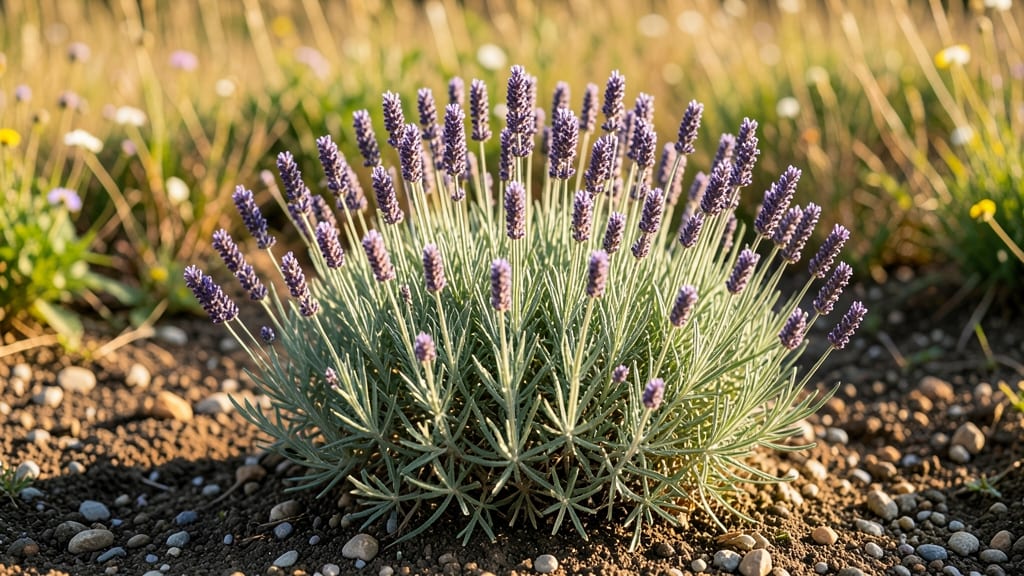
Michigan's lavender blooms arrive like clockwork—mid-June—when the air finally warms past 60°F and the last frost has long faded. 🌿 I've watched my own plants burst into purple spikes each year, right around the time strawberries ripen in the garden.
The bloom window stretches through July and August, but timing varies by microclimate—southern Michigan sees flowers a week earlier than the Upper Peninsula. The key to extending that fragrance is watering deeply once a week during dry spells (Michigan summers can be brutal).
My plants in full sun bloom 2-3 weeks longer than those in partial shade, and mulching with straw keeps roots cool. Last year, my early-blooming 'Munstead' lavender even put out a second flush in September before the first frost.
You'll know it's peak bloom when the scent lingers in the evening air—strong enough to perfume your entire yard. The flowers attract bees while repelling pests, making them a two-for-one garden asset. Just avoid cutting back until after the first frost, or you'll miss next year's earliest blooms.
For Michigan's short season, choose hardy varieties like 'Hidcote' or 'Grosso'—they handle our humidity better than Mediterranean natives. Plant in well-draining soil with full sun exposure, and you'll get reliable blooms year after year despite our unpredictable weather.
📚 In This Guide
- What you need
- Instructions
- Tips and common mistakes
- Wrapping up and next steps
What you need
- ● Lavender plants: 10–20 Lavandula angustifolia (English lavender) or Lavandula x intermedia (hybrid lavender) starts (hardy to USDA Zone 5, perfect for Michigan’s climate!)
- ○ Optional: Seeds (slower to establish; requires stratification for 4–6 weeks in the fridge before planting).
- ● Soil: 10 cubic yards of well-draining, alkaline soil (pH 6.5–7.5; amend with crushed limestone if needed).
- ○ Optional: 2–3 bags of perlite or coarse sand (10–20 lbs each) to improve drainage.
- ● Sunlight: Full sun exposure (6+ hours daily).
- ● Watering tools: Drip irrigation system or soaker hose (to avoid wetting foliage).
- ● Watering can (for seedlings).
- ● Planting tools: Garden trowel or transplant spade.
- ● Pruners (sterilized; for shaping and harvesting).
- ● Mulch: 2–3 bags of gravel or pebbles (to retain heat and deter weeds).
- ● Fertilizer: Low-nitrogen fertilizer (e.g., 5-10-10, 1 lb per 100 sq ft).
- ● Avoid high-phosphorus or organic compost (lavender thrives in lean soil!).
- ○ Protective gear (optional): Garden gloves (for handling prickly stems).
- ● Sun hat and sunscreen (Michigan’s summer sun is no joke!).
- ● Timing: Plant nursery starts in early spring (April–May) or early fall (September) to avoid extreme heat stress.
- ● Spacing: Keep plants 18–24 inches apart for airflow (prevents fungal diseases).
- ● Hardiness: Choose ‘Munstead’ or ‘Hidcote’ varieties—they handle Michigan’s humidity better!
How to time lavender blooms in Michigan for peak fragrance
Michigan's climate can be tricky for lavender, but with the right timing and care, you'll enjoy fragrant blooms from mid-June through August.
🌱 Step 1: Plant Lavender in Early Spring for Strong Roots
Start by planting lavender in early spring, ideally between late April and mid-May when soil temperatures reach 50°F. This gives roots time to establish before Michigan's summer heat arrives. Choose a well-draining spot with full sun exposure—at least 6-8 hours daily—since lavender hates soggy roots.
Dig a hole twice as wide as the root ball but only as deep. Lavender thrives in sandy, alkaline soil with a pH between 6.5 and 7.5. If your soil is heavy clay, mix in 1 part sand or grit to the native soil for better drainage. Water deeply after planting, but avoid overwatering—lavender roots need air, not moisture.
☀️ Step 2: Provide Consistent Sun and Drought Conditions
Lavender blooms best when exposed to full sun year-round. In Michigan, where summers can be humid, ensure your plants receive direct sunlight for at least 6 hours daily. If you notice stems stretching or leaves turning pale, they’re reaching for more light—adjust their position or supplement with a grow light if needed.
Once established, lavender is drought-tolerant. Water deeply but infrequently, allowing the soil to dry out completely between waterings. Overwatering is the fastest way to kill lavender, so resist the urge to keep the soil moist. You’ll know you’re doing it right when the soil feels bone-dry 1-2 inches below the surface before the next watering.
⏰ Step 3: Prune After First Bloom for Prolonged Flowering
Lavender typically blooms in mid-June in Michigan, with peak fragrance lasting through July and August. To encourage a second flush of flowers, prune immediately after the first bloom cycle ends. Cut back one-third of the current year’s growth, focusing on spent flower stems. This prevents the plant from putting energy into seed production and redirects it toward new blooms.
Use clean, sharp pruners to make cuts just above a set of healthy leaves. Avoid "heading back" or cutting into old wood—this can kill the plant. After pruning, water lightly to help the plant recover, but avoid heavy watering, which can stress lavender. You’ll see new growth within 2-3 weeks, often leading to a second bloom cycle in late summer.
🌿 Step 4: Prepare for Winter to Ensure Next Year’s Blooms
As temperatures drop in late fall, reduce watering to allow the plant to harden off. In Michigan’s Zone 5-6, lavender can survive winters but benefits from light mulching—use 2-3 inches of straw or pine needles around the base to insulate roots without smothering the plant. Remove mulch in early spring to prevent rot.
In harsh winters, consider wrapping young lavender plants with burlap or frost cloth to protect them from freezing winds. Healthy, established lavender should return with new growth in early spring, setting the stage for another fragrant summer. Watch for green shoots emerging in April—this is your signal that the plant survived and is ready to bloom again.
Tips & tricks for perfect Michigan lavender blooms
Mastering Michigan's lavender bloom cycle means understanding the subtle cues that turn good growth into spectacular fragrance. Here's what I've learned from years of working with lavender in our unpredictable climate.
Soil Temperature Timing: The 50°F soil temperature threshold in Step 1 is non-negotiable for Michigan lavender. Use a soil thermometer to verify—cold soil delays root establishment and weakens plants before summer heat arrives. I've seen lavender planted in April struggle when soil temps hovered around 45°F, leading to stunted growth. Plant only when soil consistently reaches 50°F for at least 3 consecutive days.
Sunlight Strategy: The required 6-8 hours of daily sunlight in Step 2 becomes even more critical during Michigan's humid summers. If you notice your lavender's stems elongating or leaves turning pale, it's reaching for light. I've successfully used supplemental grow lights during cloudy June days to maintain that crucial 6-hour minimum, especially for container-grown lavender that can't be repositioned easily.
Pruning Precision: When you prune that one-third of current growth in Step 3, focus on the spent flower stems first—they're the plant's energy drain. I've found that using clean, sharp pruners dipped in rubbing alcohol between cuts prevents disease transmission. The 2-3 week recovery period mentioned is your window to spot potential problems like fungal growth or pest activity that might have started during the first bloom cycle.
Winter Protection: That 2-3 inch mulch layer in Step 4 works wonders, but timing matters. Apply it after the first hard frost when soil temperatures drop below 40°F. I've seen lavender roots freeze when mulch was applied too early, trapping moisture against the stems. For container-grown lavender, move pots to a sheltered location and wrap with burlap—this creates a microclimate that maintains root zone temperatures above freezing.
Pro Tips for When Does Lavender Bloom In Michigan
- Mastering Michigan's lavender bloom cycle means understanding the subtle cues that turn good growth into spectacular fragrance.
- Soil Temperature Timing: The 50°F soil temperature threshold in Step 1 is non-negotiable for Michigan lavender.
- Sunlight Strategy: The required 6-8 hours of daily sunlight in Step 2 becomes even more critical during Michigan's humid summers.
Frequently asked questions
Got questions about lavender blooming in Michigan? You’re not alone! Here are some common queries—and answers—to help you plan your garden for the best fragrance and beauty.
When exactly does lavender bloom in Michigan?
Lavender typically blooms in mid-June to early July, with peak fragrance lasting through July and August. Michigan’s cooler climates may delay blooming slightly, especially in the Upper Peninsula. Choose hardy varieties like English lavender (Lavandula angustifolia) for better cold tolerance.
Will lavender survive Michigan winters?
Yes! With proper care, lavender thrives in Michigan’s Zone 5-6 winters. Mulch heavily in fall (3-4 inches of straw or wood chips) and plant in well-draining soil to prevent root rot. Prune back dead growth in early spring to encourage new growth.
Can I grow lavender in containers in Michigan?
Containers are ideal for Michigan’s short growing season. Use fast-draining pots (terracotta or fabric grow bags) with a mix of potting soil + perlite. Place them in full sun (6+ hours/day) and move indoors or to a garage before hard freezes (below 20°F).
How long does it take for lavender to bloom after planting?
Lavender planted from nursery starts may bloom the first year, but expect full fragrance in year 2 or 3. If growing from seeds, blooms typically appear in 1-2 years. Patience pays off—mature plants (3+ years) produce the most stunning blooms!
Why isn’t my Michigan lavender blooming?
Common culprits: overwatering (lavender hates soggy roots!), poor sunlight (6+ hours of sun is a must), or over-fertilizing (lavender prefers lean soil). Prune spent flowers in late summer to encourage next year’s blooms. If your plant looks leggy, it may need more sun or a rejuvenation prune in early spring.
Wrapping up and next steps
Now that you know lavender blooms in Michigan from mid-June through August, you’re ready to embrace the season’s sweetest fragrance! 🌿 Whether you’re growing your own or visiting local fields, timing is everything—so mark those calendars and get ready to enjoy the purple perfection at its peak. Next up? Plan a visit to a Michigan lavender farm or start your own garden—your nose (and garden!) will thank you.