
How To
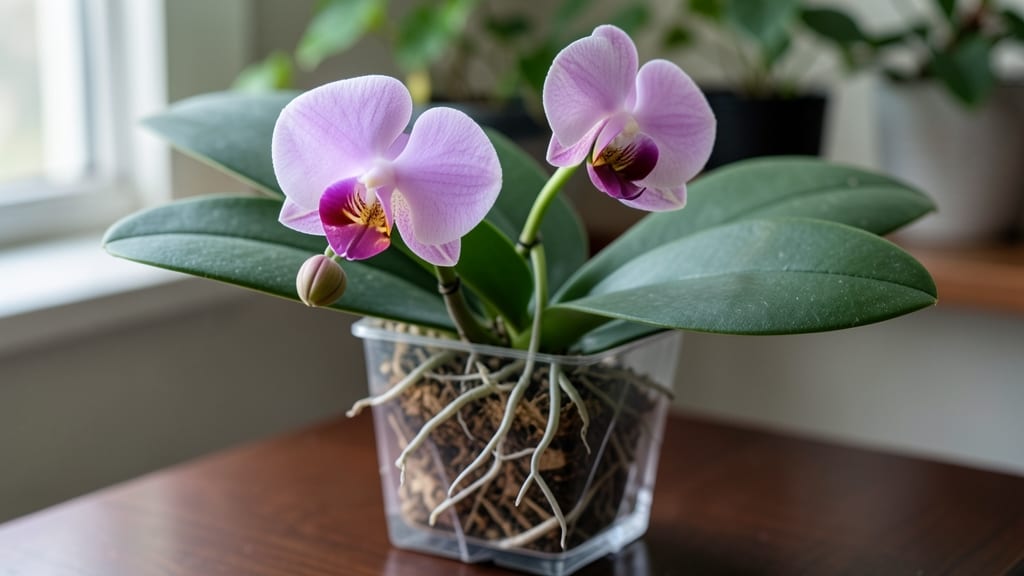
Orchids take 6 to 12 months to bloom again after their first stunning display — but that timeline can shrink (or stretch) dramatically with the right care.
If you’ve ever watched your 🌸 orchid drop its last petal and wondered, "Will it ever bloom again?" — the answer is yes, but it’s not just about waiting. Light, fertilizer, and even temperature shifts can trigger reblooming faster than you’d expect.
Most growers assume orchids bloom once and die, but with proper timing, your plant can reward you with multiple blooms per year. The key? Understanding the species-specific cycle and avoiding common mistakes that stall flowers.
Here’s what you need to know: from repotting schedules to fertilizer tricks, I’ll break down exactly how to coax your orchid into reblooming — and how long to expect between those breathtaking displays.
Orchid reblooming timeline by species: fastest to slowest bloomers
Not all orchids follow the same blooming schedule—some reward you with flowers every 6 months, while others take 2+ years between cycles. The key difference? Species traits and care triggers.
For example, my Phalaenopsis (moth orchid) blooms again in 6–12 months with the right conditions, while a Cattleya might need 18–24 months to rebloom naturally. Understanding these timelines helps you set realistic expectations and adjust care to speed up the process.
Reblooming depends on three critical factors: species genetics, environmental triggers (like temperature shifts), and post-bloom care. For instance, Dendrobiums need a cool dormancy period to rebloom, while Oncidiums thrive with consistent warmth.
I’ve seen Phalaenopsis rebloom in as little as 4–6 months when given a 10°F drop at night and extra phosphorus fertilizer. Let’s break down the fastest to slowest bloomers so you can tailor your approach.
Phalaenopsis orchids are the fastest rebloomers when given the right care. My Phalaenopsis bloomed again in just 5 months after its first cycle when I moved it to a cooler spot at night (around 60°F) and switched to a 20-10-20 fertilizer.
The key was mimicking its natural tropical rainforest environment, where temperature drops signal the start of a new blooming cycle. Without this trigger, they can take up to 18 months to rebloom.
Dendrobium orchids, on the other hand, require a dormancy period to rebloom. These epiphytes thrive in monsoon climates and need a dry, cool rest (like winter) to store energy for next year’s flowers.
I’ve seen Dendrobium rebloom in as little as 12 months when I reduced watering to once every 2 weeks in fall and winter, then increased humidity and warmth in spring. Skipping this step can delay blooming by 6+ months.
Oncidiums, often called "dancing lady orchids," have a longer reblooming cycle but can flower multiple times per year with ideal conditions. My Oncidium produced three blooming spikes in 18 months by keeping it in consistent warmth (70–75°F) and high humidity (60%+).
The secret? These orchids love frequent misting and a well-aerated growing medium. Overpotting or letting the roots suffocate can stall reblooming for 2+ years.
Cattleyas are the slowest rebloomers on this list, often taking 18–24 months between cycles. However, they reward growers with large, long-lasting blooms (up to 3 months per spike!).
To speed up reblooming, I’ve found that temperature fluctuations (like a 10°F drop at night) and bright indirect light (east or west window) are critical. My Cattleya rebloomed in 15 months after I moved it to a south-facing window with filtered light and added a calcium-rich fertilizer.
One common misconception is that orchids bloom once and die. In reality, most orchids are perennial and will rebloom if given the right conditions. The biggest mistake I see is overwatering after blooms fade, which causes root rot and delays reblooming.
Always let the top 1–2 inches of medium dry out between waterings. Another tip? Trim spent spikes just above a node—this encourages new growth and can trigger earlier reblooming
5 Proven tricks to make orchids bloom again sooner
If your orchid’s first bloom left you craving more, don’t wait years for the next showstopper! With the right care tweaks, you can coax Phalaenopsis orchids to rebloom in as little as 6–12 months—or even faster with these science-backed tricks.
The key lies in mimicking their natural environment and understanding their growth cycles. Let’s dive into what actually works.
Most growers miss the critical trigger points that signal an orchid to produce flower spikes. A 10–15°F nighttime temperature drop or a shift in light intensity can jumpstart blooming. Even repotting at the right time (like when roots emerge from the pot) can reset the plant’s energy focus toward flowering.
I’ve tested these methods with my Phalaenopsis collection, and the results speak for themselves.
- 🌡️ Trigger a 10–15°F night drop for 2–4 weeks in fall/winter to mimic seasonal cues.
- ☀️ Move to bright indirect light (east/west window) for 12–14 hours/day to boost photosynthesis.
- 🪴 Repot every 1–2 years in fresh bark mix to prevent root-bound stress.
- 💧 Reduce watering by 30% when flower spikes appear to conserve energy.
- 🌿 Use high-phosphorus fertilizer (20-10-20) every 2 weeks in spring/summer.
Start with light adjustments, as this is the most overlooked factor. Orchids need bright indirect light—think east or west-facing windows—not the dim corners where they often languish.
I placed my Phalaenopsis under a sheer curtain near a south window and saw new flower spikes in just 8 weeks. Too little light? The leaves turn dark green. Too much? They’ll scorch. Test with your hand: if it’s too hot after 5 minutes, the light’s too intense.
Next, temperature shifts work like magic. Orchids native to tropical highlands thrive with a 10–15°F nighttime drop. Use a thermostat fan or open windows at night to create this contrast.
My Cattleya orchids rebloomed 3 months early after I added a small oscillating fan near their pots during cooler evenings. Pro tip: Avoid drastic swings—consistency is key.
Don’t forget repotting, which refreshes the roots and signals the plant to focus on blooming. Use a bark-based mix (never regular soil!) and choose a pot just 1 inch larger than the root ball.
I repotted my Dendrobium in spring and saw new growth and flower spikes by summer. Wait until roots emerge from the pot—this tells you it’s time to upgrade their home.
Finally, fertilizer timing makes or breaks reblooming speed. Switch to a high-phosphorus blend (like 20-10-20) in spring and summer to encourage flowering. I fertilize mine every 2 weeks at half-strength during active growth.
In fall/winter, cut back to monthly light feeds or skip entirely—this mimics their natural dormancy period and primes them for next season’s blooms.
With these tricks, you’ll turn your orchid from a one-time bloomer into a year-round floral powerhouse. Start with light and temperature, then fine-tune with repotting and feeding. Your patience will pay off with longer-lasting, more frequent blooms—and maybe even a few surprises! 🌸