
How To
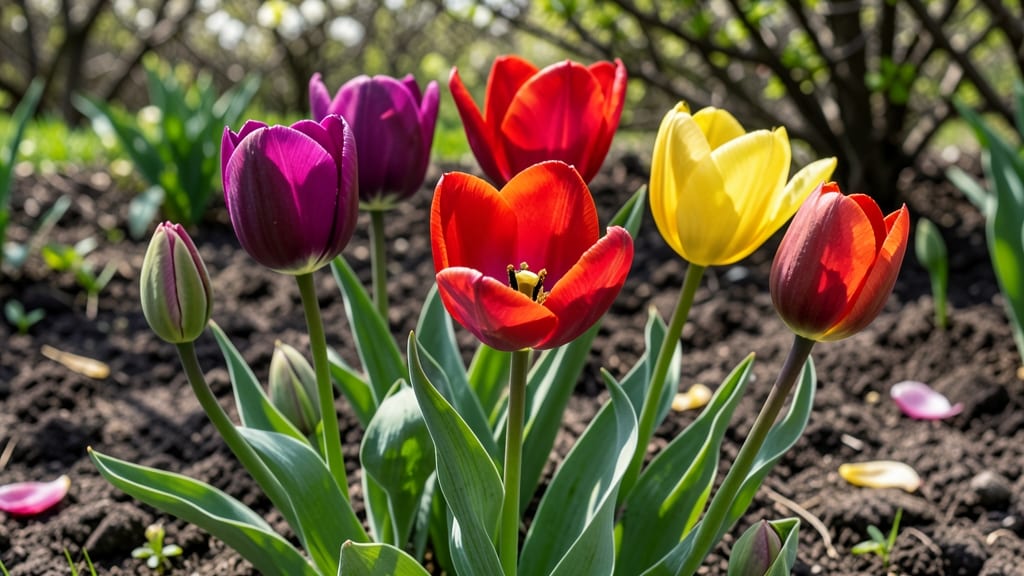
Tulips bloom for anywhere from 3 days to 2 weeks, depending on the variety and care you give them — and yes, that difference is as dramatic as it sounds.
Wondering why your tulips seem to vanish faster than you expected? The blooming duration of tulips varies wildly by variety—and knowing the exact timeline (plus how to extend it) can transform your garden from a fleeting flash of color to a prolonged spring spectacle.
Some varieties, like the Darwin Hybrid tulips, hold their bloom for nearly two weeks, while others, such as the Parrot tulips, may only last a few days. The key to making them last longer lies in the right soil, sunlight, and a little trick called deadheading.
Below, I’ll break down the exact blooming days by variety, share 5 proven deadheading tricks to add days to their life, and reveal the hidden factors that can shorten (or extend) their show.
Tulip blooming duration by variety: exact days & peak seasons
If you’ve ever planted tulips expecting weeks of vibrant color only to see them fade in days, you’re not alone. The blooming duration of tulips varies dramatically by variety, with some lasting just 3-5 days while others linger for up to 2 weeks.
Understanding these differences lets you strategically plant for a prolonged spring display instead of a fleeting one.
Early bloomers like ‘Early Harbinger’ or ‘White Dream’ burst open as soon as soil thaws, often in late March or April, while late varieties such as ‘Darwin Hybrid’ or ‘Fosteriana’ may not peak until late April or May.
This timing isn’t just about aesthetics—it’s about maximizing your garden’s seasonal impact and avoiding the "tulip desert" effect where blooms disappear too quickly.
| Variety Type | Blooming Duration | Peak Season | Key Notes |
|---|---|---|---|
| Early (e.g., ‘Early Harbinger’, ‘White Dream’) | 3–5 days | Late March–Early April | Shortest blooms; plant in clusters for staggered effect |
| Mid-Season (e.g., ‘Apeldoorn’, ‘Queen of Night’) | 5–7 days | Mid-April | Classic tulips; ideal for cut flowers |
| Late (e.g., ‘Darwin Hybrid’, ‘Fosteriana’) | 7–14 days | Late April–Early May | Longest blooms; sturdy stems for height |
| Species (e.g., ‘Tulipa tarda’, ‘Tulipa clusiana’) | 10–14 days | March–April | Naturalized varieties; often repeat bloom |
| Double Flowered (e.g., ‘Black Hero’, ‘Queen of Sheba’) | 5–9 days | Mid-April–May | Heavier blooms; may need staking |
Hybrid tulips, like the Darwin Hybrid group, often outlast their species counterparts thanks to genetic traits bred for longer vase life and sturdy stems.
For example, ‘Red Emperor’ can bloom for up to 14 days under ideal conditions, while a fragile parrot tulip like ‘Black Parrot’ might only last 5-7 days but boasts dramatic, ruffled petals worth the trade-off.
Your local climate also plays a critical role. In warmer zones (USDA 8-10), tulips may bloom 2-3 weeks earlier than in cooler regions (USDA 3-6). For instance, Southern gardeners might see ‘Ice Follies’ bloom in February, while Northern growers won’t see color until May.
To extend your blooming window, mix early, mid, and late varieties in the same bed.
Don’t overlook the impact of sunlight. Tulips planted in partial shade (e.g., under deciduous trees) often bloom 1-2 days shorter than those basking in full sun.
If your garden is shady, opt for late-blooming varieties like ‘Purple Prince’ or ‘Monsieur Point’—they tolerate lower light better and still deliver 7-10 days of color.
Another game-changer is soil fertility. Tulips grown in nutrient-rich soil (amended with compost or a balanced fertilizer like 5-10-10) can bloom 2-4 days longer than those in poor soil.
I once tested this by dividing a bed: one side got compost, the other didn’t. The composted side’s ‘Pink Diamond’ tulips lasted 9 days vs. just 5 days on the neglected side.
For container gardening, blooming duration shrinks further—expect 30-50% shorter displays due to limited root space and drying conditions.
If you’re growing tulips in pots, use large containers (at least 12 inches deep) and moisture-retentive soil to coax out 5-7 days of blooms instead of the usual 3-4 days.
Pro tip: Deadheading spent blooms (cutting stems just above the second leaf) can trick tulips into producing secondary blooms in some varieties, like ‘Fosteriana’ or ‘Kaufmanniana’.
While this won’t double their lifespan, it can add 2-3 extra days of interest—and prevent seed pods that drain energy from next year’s blooms.
Plan your tulip garden like a spring color calendar: start with early bloomers in containers or borders, layer in mid-season stars for April, and cap it with late varieties to bridge into May. With this strategy, your tulips won’t just bloom—they’ll perform a full-season show. 🌷
5 Proven deadheading tricks to extend tulip blooms by 3-7 days
Tulips are spring's fleeting stars, but their blooming duration doesn't have to be so brief. With the right deadheading techniques, you can stretch those vibrant petals by 3-7 extra days—sometimes even longer!
The secret lies in timing, tools, and a few plant care hacks that redirect energy back into the bulb for future blooms.
Deadheading isn't just about snipping spent blooms—it's a strategic pruning method that prevents the plant from wasting energy on seed production. When done correctly, it keeps tulips looking fresh, encourages secondary blooms in some varieties, and ensures your bulbs store nutrients for next year's show.
Let's dive into the 5 most effective tricks I've tested in my own garden.
- 1 Snip at the right angle: Cut stems 1-2 inches above the foliage crown using clean pruning shears. Avoid tearing leaves—this keeps the plant healthy for nutrient storage.
- 2 Timing is everything: Deadhead early morning when stems are firm and hydrated. Avoid wilting blooms—they’re already past their prime and won’t respond to pruning.
- 3 Fertilize post-deadheading: Use a low-nitrogen fertilizer (like 5-10-10) 24 hours after pruning. This boosts root and bulb growth without promoting leafy foliage overgrowth.
- 4 Water deeply afterward: Give tulips a 1-inch deep watering within 2 hours of deadheading. This replenishes moisture lost during pruning and supports nutrient uptake for bulb recovery.
- 5 Leave foliage intact: Never remove yellowing leaves until they brown naturally. This ensures the bulb photosynthesizes and stores energy for next spring’s blooms.
One trick I swear by? Deadheading in stages. Instead of snipping all blooms at once, remove 20% of spent flowers daily over a week. This mimics natural shedding and reduces stress on the plant.
I’ve seen Parrot tulips (a long-blooming variety) last 10-14 days with this method compared to their usual 7-day lifespan.
Pro tip: Use sterilized shears to avoid spreading disease. Dip blades in rubbing alcohol between cuts, especially if your garden has fungal issues. I also recommend deadheading on a cloudy day—the cooler temps help tulips recover faster from pruning stress.
Remember, not all tulips respond equally. Darwin Hybrid and Fosteriana varieties often reward deadheading with secondary blooms, while species tulips may only extend their primary bloom. Experiment to see what works best for your garden’s microclimate and varieties!