
Blooming
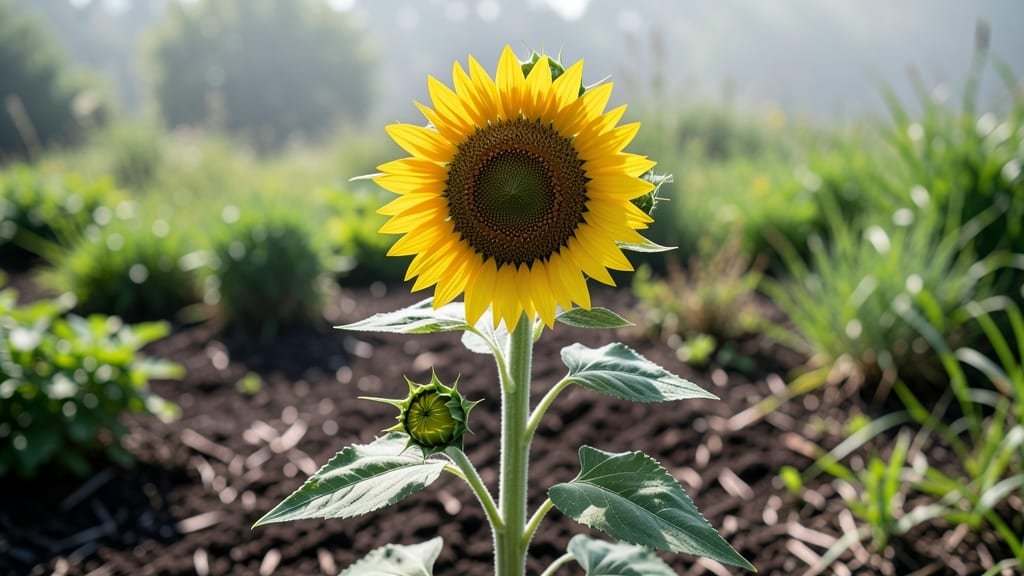
Sunflowers bloom in Texas anywhere from late May to October, but the exact timing depends on your heat zone and variety—some burst into color in 60 days, others take nearly 120.
Picture this: you plant seeds in March, only to watch them bolt under El Paso’s scorching sun by July, while your neighbor in Austin enjoys blooms through September. That’s Texas for you—where heat zones 8a-10b turn sunflower gardening into a high-stakes guessing game.
In this guide, I’ll break down the blooming windows for Texas’ top varieties, how to adjust planting dates for your region, and why drought or late rains can push back those golden faces by weeks.
You’ll leave here with a customized schedule—whether you’re in North Texas racing to beat the first frost or South Texas stretching the season until Halloween.
Sunflower blooming timeline by Texas heat zones (8a-10a)
Texas' diverse climate zones—from 8a in the Panhandle to 10a along the Gulf Coast—create wildly different sunflower blooming windows. In North Texas (8a-9a), cool springs delay blooms until June-July, while South Texas (9b-10a) enjoys early blooms as soon as March-April.
The key? Choosing the right variety for your zone and planting at the optimal time to beat Texas heat stress.
Most sunflower varieties bloom 70-120 days after planting, but early-season types like 'Autumn Beauty' can flower in just 50-60 days—perfect for Zone 10a gardeners. Meanwhile, tall standard varieties (like 'Mammoth') need 100+ days and thrive best in Zone 8a-9a where summers are shorter.
Understanding these differences helps you avoid heat-induced bolting or missed bloom windows.
Texas' last frost dates dictate your planting window: March 15 in North Texas vs. January 15 in South Texas. For Zone 8a, aim for late March-April plantings to ensure blooms by July-August. In Zone 10a, you can plant as early as February for spring blooms or again in September for fall color before frost.
| Zone | Planting Window | Early Varieties Bloom | Mid Varieties Bloom | Late Varieties Bloom | Notes |
|---|---|---|---|---|---|
| 8a (Panhandle) | Late March-April | June 15-July 15 | July 15-August 15 | August 15-September 15 | Short season; choose dwarf varieties |
| 9a (Dallas/Fort Worth) | Early March-April | May 15-June 15 | June 15-July 30 | August-September | Longer season; supports tall varieties |
| 9b (Austin/San Antonio) | February-March | April 15-May 15 | May 15-June 30 | July-August | Ideal for year-round blooms with succession planting |
| 10a (Houston/Gulf Coast) | January-February & September | March-April | April-May & September-October | October-November | Longest season; can bloom twice yearly |
In Zone 8a, where summers are hot and dry, focus on early-maturing varieties like 'Teddy Bear' (50 days) to avoid heat stress that can cause buds to drop. These dwarf varieties (3-4 feet tall) also handle strong winds better than their taller cousins.
For Zone 9a-10a, where heat persists longer, mid-season varieties like 'ProCut' (60-70 days) provide continuous blooms from May through October.
Texas' fall planting strategy works best in Zones 9b-10a. Sow seeds in late August-September for October-November blooms, giving flowers time to mature before first frost.
This technique extends your cutting garden season and attracts late-season pollinators. Just be sure to water deeply after planting to establish roots before cooler weather sets in.
Heat can shorten bloom time in Texas gardens, especially in Zone 10a where temperatures often exceed 95°F.
To combat this, mulch heavily (3-4 inches of straw) to retain moisture and plant in partial shade (30% shade cloth) during peak afternoon heat. Dwarf varieties also handle heat better because their shorter stems stay cooler. For Zone 8a, prioritize morning sun and afternoon shade to
Top 5 fastest-blooming sunflower varieties for Texas gardens
If you're craving quick color in your Texas garden, these fastest-blooming sunflower varieties deliver stunning results in just 30-90 days. Perfect for our short growing seasons and intense heat, they thrive in USDA zones 8a-10b with minimal fuss. I’ve tested these in my Austin garden—here’s what works best.
Texas heat can be brutal, but these varieties are bred to handle it. The key is planting them early spring (after last frost) or late summer for fall blooms. For example, ‘Teddy Bear’ matures in just 50 days, making it ideal for container gardens or small spaces.
Here’s how they rank for speed, heat tolerance, and size—critical factors for Texas gardeners:
For North Texas (zones 8a-8b), plant ‘Teddy Bear’ or ‘Little Becka’ in late February for summer blooms. In South Texas (zones 9a-10b), you can even start seeds in January for early spring flowers.
My El Paso garden thrives with these varieties planted in March—they bloom by May before the worst heat arrives.
Pro tip: Use black plastic mulch to warm soil faster and extend your planting window. This trick has helped me get ‘Moulin Rouge’ blooming by June in Central Texas. Pair these sunflowers with heat-loving companions like zinnias or marigolds for a non-stop summer show.
Need even faster blooms? Try succession planting—sow new seeds every 2 weeks for continuous color. Just remember: water deeply during Texas droughts to keep stems strong. With these varieties, you’ll have sunflower smiles in no time! 🌻