
Blooming
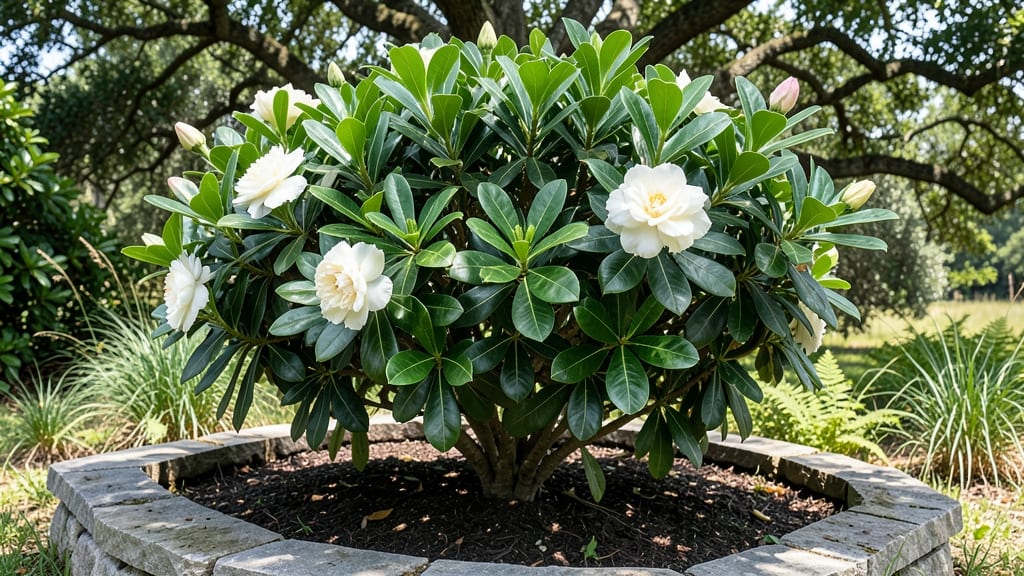
Gardenias bloom in Texas between late spring and early summer, when the air warms just enough to trigger their iconic fragrance—but timing can shift wildly depending on whether you're in North or South Texas.
If you’ve ever caught the intoxicating scent of gardenias drifting through a Texas garden, you know their blooms are a rare treasure—but timing everything right in the Lone Star State’s unpredictable heat zones can be tricky.
Mastering when gardenias bloom in Texas means unlocking their full fragrance potential, and it all starts with understanding your specific climate zone.
In North Texas (Zone 8a), blooms typically kick off in May, while South Texas gardeners (Zone 10b) may see flowers as early as March.
The difference? A few degrees and a few weeks can mean the difference between a fragrant summer garden and a missed opportunity.
Below, I’ll break down the exact blooming windows for your zone, how to push blooms earlier or later, and the 3 key adjustments that keep your gardenias flowering longer—even in Texas heat.
Texas gardenia blooming seasons by heat Zone: what to expect
Texas gardenias thrive in the cooler months, but their exact blooming windows vary dramatically across the state’s heat zones 7-10.
In North Texas (Zone 7-8), gardenias often burst into bloom as early as late January, while in South Texas (Zone 9-10), they may wait until March or even April.
These differences stem from temperature fluctuations—gardenias need 60-75°F daytime temps and cool nights below 70°F to trigger bud formation. Understanding your zone’s microclimate patterns is key to predicting when your gardenia’s fragrant blooms will appear. 🌸
The peak fragrance period typically aligns with spring’s mildest months, but late bloomers in Zone 10 might extend into May. In East Texas (Zone 8a), gardenias often bloom 2-3 weeks earlier than their West Texas counterparts due to higher humidity levels.
Meanwhile, Dallas-Fort Worth (Zone 8a) gardeners can expect their gardenias to peak in March, while Houston (Zone 9a) gardenias may not reach full bloom until late April. These variations highlight why localized planting guides are essential for Texas gardeners. 🌿
Here’s a detailed breakdown of gardenia blooming seasons across Texas heat zones, including early vs. late bloomers, peak fragrance windows, and how temperature fluctuations impact timing:
| Heat Zone | Blooming Window | Peak Fragrance | Avg. Day Temp (°F) | Notes |
|---|---|---|---|---|
| Zone 7 (North Texas) | Late Jan - Early Apr | Feb - Mid-Mar | 55-70°F | Early bloomers; frost-sensitive |
| Zone 8 (Central/East Texas) | Feb - Late Apr | Mar - Early Apr | 60-75°F | Humidity extends blooms |
| Zone 9 (South Texas) | Mar - May | Apr - Early May | 65-80°F | Late bloomers; heat-tolerant |
| Zone 10 (Deep South Texas) | Apr - Jun | May - Early Jun | 70-85°F | Extended season; minimal frost risk |
In Zone 7, gardenias often bloom earlier than expected if temperatures drop below 50°F at night, triggering a false dormancy response. Conversely, Zone 10 gardenias may produce scattered blooms year-round if conditions remain ideal, though peak fragrance still occurs in spring.
The transition months (March-April) are critical—sudden heat spikes above 90°F can cause buds to drop prematurely, while consistent 70-75°F temps encourage prolonged blooming. 🌡️
Gardeners in Zone 8 often notice two bloom cycles: a minor winter flush in December-January followed by a major spring peak in March-April. This pattern is less common in southern zones, where humidity levels above 60% help sustain blooms longer.
For example, Houston gardenias (Zone 9a) may produce secondary blooms in fall if temperatures dip into the 60s°F at night. Monitoring your local weather patterns—especially humidity and nighttime temps—can help you predict when your gardenias will reach their fragrance peak. 🌧️
One common misconception is that gardenias bloom only once per year, but in Texas’ variable climates, they may produce multiple smaller flushes if conditions are favorable. For instance, East Texas gardeners often see late summer blooms in August-September after tropical storms bring cooler, wetter air. Meanwhile, West Texas gardenias (Zone 8b) may skip spring blooms entirely if drought stress sets in early. To maximize blooms, focus on consistent moisture and acidic soil pH (5.0-6.0)—both critical for bud formation. ✂️
How to extend gardenia blooming in Texas: pro tips for longer fragrance
Texas gardenias naturally bloom from February to April, but with the right techniques, you can coax them into flowering earlier or later. The key lies in understanding their heat sensitivity and adjusting care to match your local climate zone.
In North Texas (Zone 8a), where winters are cooler, you might see blooms as early as January, while South Texas (Zone 10b) can extend blooming into May or June with proper care.
Many gardeners mistakenly assume gardenias need full sun, but Texas' intense afternoon heat often burns blooms before they fully open. Instead, focus on partial shade and strategic pruning to encourage longer bloom cycles.
The varieties that thrive here—like 'Radicans' or 'Kleim's Hardy'—are bred for heat tolerance, but even they need help from gardeners to maximize fragrance.
- 1 Prune after blooming (late spring) to remove dead flowers and shape the plant. This encourages new growth for a second flush of blooms in fall.
- 2 Adjust soil pH to 5.0-6.0 using sulfur or peat moss. Gardenias hate alkaline soil, which can stop blooming entirely in Texas' calcium-rich soil.
- 3 Water deeply in the morning (1-2 gallons per plant) to prevent stress-induced early bud drop. Avoid evening watering, which promotes fungal diseases like powdery mildew.
- 4 Fertilize in early spring with acidic, bloom-boosting fertilizer (10-10-10 NPK). Stop fertilizing after June to avoid leggy growth that steals energy from blooming.
- 5 Mulch with pine bark to retain moisture and acidity. Texas' hot, dry winds can dry out roots quickly, so 3-4 inches of mulch is ideal.
One of the biggest mistakes Texas gardeners make is over-pruning in winter. Gardenias need dormant buds to produce flowers, so avoid heavy cuts until late spring. Instead, focus on light shaping after blooming to encourage compact growth, which leads to more flowers per branch.
For extended blooming, try planting 'Veitchii' or 'Fortuniana' varieties—they’re more heat-tolerant and often reward gardeners with fall reblooming if given consistent care. Pair them with morning sun and afternoon shade to protect delicate blooms from Texas' brutal summer heat.
Remember, gardenias communicate their needs through leaf color. Yellowing leaves often signal overwatering or alkaline soil, while drooping buds mean they’re thirsty or stressed.
By tuning into these cues and adjusting your care, you can turn a 3-month bloom cycle into a 6-month fragrance festival in your Texas garden. 🌸