
Blooming
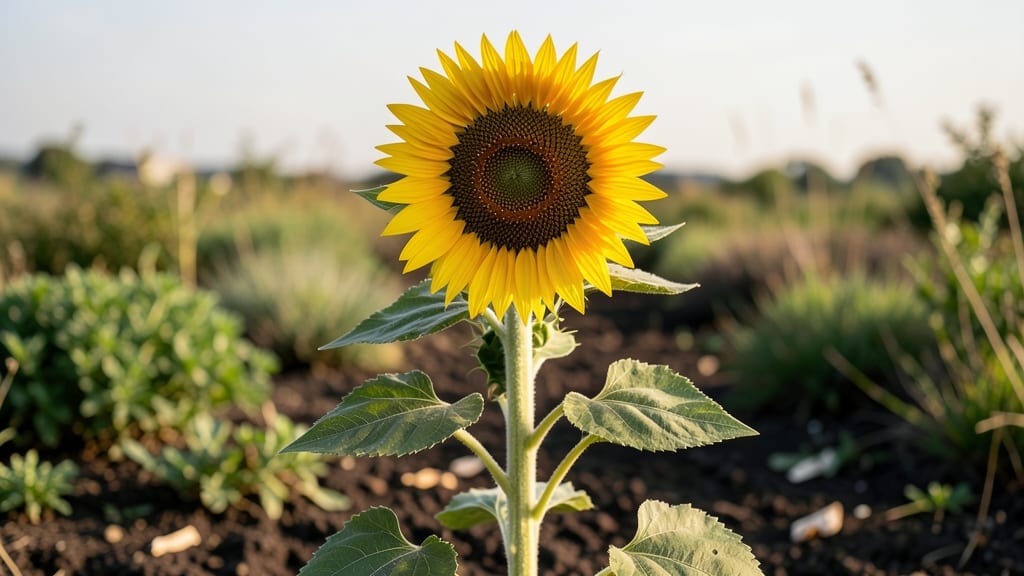
Sunflowers in Illinois bloom between July and October, but the exact timing depends on your hardiness zone and the variety you choose — get the planting window wrong, and you might miss their golden faces entirely.
If you’ve ever waited eagerly for those towering 🌻 stalks to unfurl only to find them already fading by Labor Day, you’re not alone. The key to a longer bloom season lies in knowing when to plant and which varieties thrive in Illinois’ USDA Zones 5-6.
In this guide, I’ll break down the bloom timeline by zone, highlight the best sunflower varieties for your garden, and share planting tricks to stretch your blooms from early summer through fall.
You’ll learn how to time your plantings for peak color, adjust for regional microclimates, and even extend the season with simple strategies — so you can enjoy sunflowers from July to October without the disappointment.
Sunflower blooming timeline in Illinois by USDA hardiness Zone
Timing your sunflower planting in Illinois is all about understanding your USDA hardiness zone (5-7) and choosing varieties that thrive in your specific climate. In Zone 5, you’ll need to plant earlier to beat cooler springs, while Zone 7 gardeners can enjoy longer growing seasons.
The key is matching your sunflower variety to your zone’s last frost date—typically around April 15 in northern Illinois and March 20 in southern regions.
Sunflowers in Illinois typically bloom between July and October, but the exact timing varies by variety and zone. Early varieties like 'Teddy Bear' may start blooming as early as late June in Zone 7, while giant varieties like 'Russian Giant' might not reach full bloom until September.
Understanding these differences helps you plan for continuous color all summer long.
Climate adjustments are crucial—cooler springs in Zone 5 can delay blooming by 2-3 weeks compared to Zone 7. For example, a mid-season variety planted in late April in Zone 5 might bloom in mid-August, while the same variety in Zone 7 could bloom as early as late July. These differences make zone-specific planning essential for maximizing your sunflower display.
| USDA Zone | Planting Window | Early Varieties Bloom | Mid-Season Bloom | Late Varieties Bloom | Notes |
|---|---|---|---|---|---|
| Zone 5 | Late April - Early May | Late July - Early August | Mid-August - Early September | Late September - October | Use cold frames for earlier starts |
| Zone 6 | Mid-April - Late April | Early July - Mid-July | Late July - Early August | Mid-August - Late September | Succession plant for extended blooms |
| Zone 7 | Early April - Mid-April | Late June - Early July | Mid-July - Late July | August - Mid-September | Longest bloom season; ideal for late varieties |
In Zone 5, early varieties like 'Autumn Beauty' (with its bi-color blooms) often start showing color in late July if planted in late April. These varieties are perfect for gardeners who want to enjoy sunflowers before the first frost of October.
Meanwhile, late-season varieties like 'Moulin Rouge' can continue blooming until mid-October in Zone 5, providing a stunning fall display.
For Zone 6 gardeners, the bloom window stretches from early July to late September. This zone benefits from a longer growing season, allowing for both early and late varieties to thrive.
Planting a mix of 'Teddy Bear' (early) and 'Russian Giant' (late) ensures continuous blooms throughout the summer and early fall.
Gardeners in Zone 7 have the advantage of the longest bloom season, with sunflowers potentially blooming from late June to mid-September. This zone is ideal for experimenting with tall varieties like 'Mammoth' or 'ProCut,' which can reach heights of 10-14 feet and provide dramatic focal points in the garden.
To extend your sunflower blooms, consider succession planting—sowing new seeds every 2-3 weeks after the last frost. This technique works especially well in Zone 6 and 7, where the growing season is longer.
For example, planting a batch in mid-May and another in early June can create a continuous bloom from July through September.
Another tip is to choose dwarf varieties like 'Sunspot' for container gardening or small spaces. These varieties bloom earlier and are perfect for Zone 5 gardens where space might be limited. Their 2-4 foot height makes them ideal for patios or balconies, while still delivering the classic sunflower charm.
Finally, always monitor your soil temperature—sunflower seeds germinate best in soil that’s at least 55°F. In cooler zones like Zone 5, using black plastic mulch can help warm the soil faster and encourage earlier germination. This small adjustment can make a big difference in your bloom timeline.
With the right variety and timing, your Illinois garden can be a sunflower paradise from summer through fall. Start planning now, and you’ll be rewarded with vibrant blooms that turn heads all season long. 🌻
Best sunflower varieties for Illinois gardens and their bloom windows
If you're dreaming of golden sunflowers brightening your Illinois garden, choosing the right variety ensures stunning blooms from summer through fall. Illinois' USDA zones 5-6 support a range of sunflowers, from dwarf varieties to towering giants.
The key? Matching your planting timeline with each variety's bloom window—some burst into color by July, while others wait until October.
For early blooms, opt for 'Autumn Beauty' or 'Moulin Rouge', which thrive in Illinois' short summer and reward gardeners with vibrant petals by mid-summer. Meanwhile, tall varieties like 'Russian Giant' need patience—they won’t bloom until late August or September but create dramatic focal points.
Let’s dive into the top performers and their exact bloom timelines to help you plan your garden’s sunflower show.
For early blooms, 'Moulin Rouge' is my go-to—its bold red-orange petals appear as early as July in Illinois’ warmer southern zones. This variety thrives in full sun and tolerates dry spells, making it perfect for low-maintenance gardens.
To encourage reblooming, simply deadhead spent flowers. For a longer bloom window, pair it with 'Autumn Beauty', which produces multi-colored blooms from July through September.
If you’re aiming for dramatic height, 'Russian Giant' is unmatched—its 10–14-foot stalks dominate the landscape and bloom late in the season (August–October). However, these tall stalks need staking or a windbreak in Illinois’ variable autumn winds.
Plant them in well-draining soil and space them 3–4 feet apart to avoid crowding. For container gardens, 'Teddy Bear' is my favorite—its compact size (1–2 feet) and cheerful yellow blooms add color without taking over.
Pro tip: For continuous blooms, plant