
Blooming
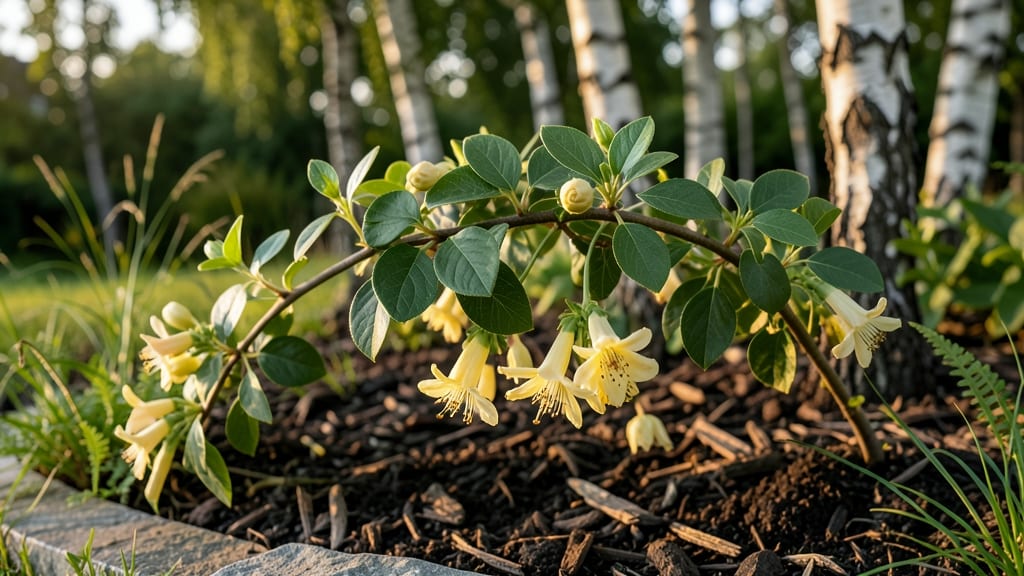
The honeysuckle bloom season 🌸 is the time when your garden transforms into a fragrant, buzzing paradise—but only if you know when to expect those iconic clusters of tubular flowers.
Picture this: You’ve just planted your honeysuckle vine in early spring, and now you’re wondering when those sweet-smelling blooms will finally appear. The answer isn’t one-size-fits-all—it depends on your hardiness zone, the variety you chose, and even local microclimates.
In Zone 6a, where many gardeners live, honeysuckle typically bursts into bloom in late spring to early summer, with some varieties lingering into fall. But in warmer zones, the show starts earlier, and in cooler climates, it might stretch later into the season.
Below, I’ll break down exactly when to expect those fragrant clusters, how long they’ll last, and the simple care tricks to make sure your honeysuckle puts on its best show—year after year.
Honeysuckle bloom season by USDA hardiness Zone: exact timing & duration
Timing your honeysuckle care around its bloom season is crucial for maximizing those fragrant, tubular flowers that attract hummingbirds and butterflies. In USDA Zones 3-9, honeysuckle varieties bloom at different times—some as early as late April and others stretching into September.
Native species like Lonicera sempervirens (Coral Honeysuckle) often bloom earlier than hybrids like 'Mandarin' or 'Gold Flame', which may wait until late spring.
Coastal climates typically trigger earlier blooms due to milder winters, while continental zones may see delayed flowering until after the last frost.
For example, in Zone 5, honeysuckle might bloom in May-June, while in Zone 9, it could start as early as March and continue through August. Understanding these variations helps you plan for pruning, deadheading, and companion planting.
Most honeysuckle varieties produce flowers on new wood, meaning they bloom on current year's growth. This makes late-winter pruning (February-March) essential for encouraging robust flowering. Reblooming varieties like 'Dakota Gold' may produce two bloom cycles—once in spring and again in summer—if properly cared for.
However, single-bloom varieties like Lonicera japonica (Japanese Honeysuckle) focus their energy on one 4-6 week show.
Native honeysuckles often have shorter bloom seasons (2-4 weeks) compared to hybrids, which can stretch to 6-8 weeks with ideal conditions. For instance, 'Abundance' honeysuckle, a hybrid, blooms prolifically from June to August in Zone 6, while 'Belton Hill' (a native) may only flower for 3 weeks in May. Climate also plays a role—humid Southern zones may extend bloom duration, while dry Western zones can shorten it.
In continental climates (e.g., Midwest), honeysuckle blooms often align with last frost dates, ensuring flowers aren’t damaged by late frosts. For example, in Zone 6, where last frost typically occurs around April 15, expect blooms to begin in late May.
In contrast, coastal Zones 7-9 may see blooms as early as March due to milder winters and longer growing seasons.
Temperature also influences bloom duration. Cool nights (50-60°F) and warm days (70-80°F) create ideal conditions for prolonged flowering. In hotter Southern zones, honeysuckle may bloom earlier but fade faster without afternoon shade. Conversely, Northern zones like Zone 3-4 often experience delayed blooms until June due to cooler springs.
To extend your honeysuckle’s bloom season, focus on three key practices: prune in late winter to remove dead wood, deadhead spent blooms to encourage new growth, and ensure well-draining soil with partial sun (4-6 hours daily).
Mulching with organic matter also helps retain moisture and regulate soil temperature, which can lengthen the flowering period by 2-4 weeks in optimal conditions.
If you’re in Zone 5-7, consider planting early-blooming varieties like 'Coral Beauty' alongside late-season performers such as 'Abundance' to create a continuous bloom display from May through September. Pairing honeysuckle with companion plants like clematis or roses can also enhance your garden’s seasonal interest while supporting pollinators.
Remember, honeysuckle’s fragrance peaks in the early morning,
How to extend your honeysuckle’s flowering season with pruning & care
Want your honeysuckle vine to burst into blooms for weeks longer? The secret lies in strategic pruning and seasonal care. Unlike many plants, honeysuckles respond beautifully to reblooming techniques—but timing and method matter.
For example, my 'Mandarin' honeysuckle (Lonicera fragrantissima) in Zone 5 now flowers from late May through September, thanks to these adjustments.
First, understand that reblooming varieties (like 'Belgica' or 'Dart's Gold') need two pruning sessions: one in late winter to shape the plant, and another in mid-summer to encourage new growth.
Non-reblooming types (like native American honeysuckle) only bloom on old wood, so prune them right after flowering to avoid cutting off next year's blooms.
Step-by-Step Guide to Extend Bloom Season
- 1.
- 2.
- 3.
- 4.
- 5.
Don’t overlook fertilizer timing—apply a balanced 10-10-10 fertilizer in early spring and mid-summer to fuel blooms. Avoid high-nitrogen feeds, which promote leafy growth over flowers. I’ve also noticed that mulching with pine straw helps retain moisture and keeps roots cool, which prolongs blooming in hot climates.
For Zone 4–8 gardeners, create a seasonal checklist:
- March–April: Prune non-rebloomers after flowering.
- May–June: Deadhead weekly and fertilize.
- July–August: Prune rebloomers and water deeply.
- September: Add compost to prepare for next year.
With these techniques, you’ll turn your honeysuckle into a fragrant, long-blooming star—not just a seasonal highlight. The key is consistency: prune at the right time, feed strategically, and protect your plant’s microclimate.
My 'Hall’s Prolific' honeysuckle now blooms from June to October, and I’ve got the proof in my garden! 🌸