
Blooming
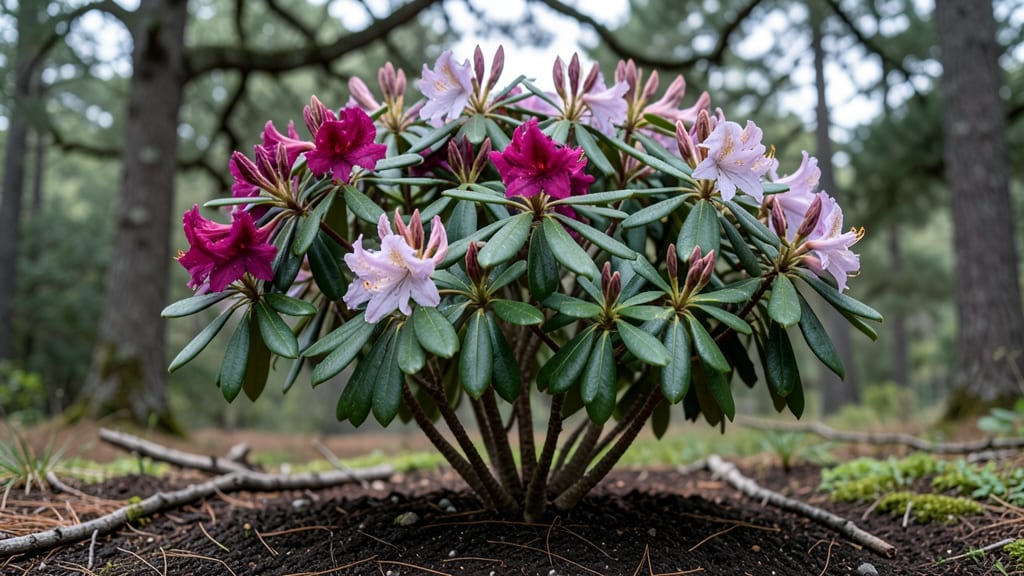
Rhododendrons in Massachusetts bloom between late April and early June 🌸, with timing shifting by zone and variety—earlier in Zone 6b and later in Zone 5b.
Massachusetts gardeners know rhododendrons transform spring landscapes with vibrant blooms—but timing varies dramatically by variety and hardiness zone. Get precise bloom windows to plan your garden’s seasonal highlights.
If you’ve ever missed the peak bloom because you planted the wrong variety for your yard, you’re not alone. Some rhododendrons burst into color by mid-April, while others wait until June, and knowing the difference saves weeks of waiting.
Below, I break down exact bloom months by zone, top Massachusetts-friendly varieties, and simple care tips to extend those show-stopping flowers for as long as possible.
Massachusetts rhododendron bloom schedule by hardiness Zone (exact months)
Massachusetts spans USDA Zones 5-7, where rhododendrons bloom in stunning waves—but timing shifts dramatically between zones. In Zone 5 (western MA), expect blooms to start 2-3 weeks later than coastal Zone 6-7 areas. Understanding these windows helps you plan for peak color and avoid missed opportunities.
Most rhododendrons bloom in late spring, but some varieties offer fall blooms (September-October). The exact timing depends on cumulative warmth after winter dormancy, not just calendar dates.
For example, a cold April might delay blooms in Zone 5 until early May, while Zone 7 gardens often see flowers by mid-April.
Here’s how to use this schedule: Note your last frost date (typically April 15 in most of MA) and adjust for early varieties. Early bloomers like 'P.J.M.' often start 3-4 weeks before late-season types such as 'Nova Zembla'. Plan your garden layout to stagger blooms for continuous color.
| Zone | Variety Type | Avg. Start Date | Peak Bloom | Avg. End Date | Notes |
|---|---|---|---|---|---|
| 5 (Western MA) | Early ('P.J.M.') | Late April | Early May | Mid-May | Cold-sensitive; watch for frost |
| 5 (Western MA) | Mid ('Catawbiense') | Early May | Mid-May | Late May | Hardy; great for late snow |
| 6-7 (Coastal MA) | Early ('P.J.M.') | Mid-April | Late April | Early May | Warmer zones bloom earliest |
| 6-7 (Coastal MA) | Late ('Nova Zembla') | Late May | Early June | Mid-June | Fall rebloom possible |
| All Zones | Fall ('Roseum Elegans') | Late Sept | Oct | Nov | Needs protection from early frost |
In Zone 5, late frosts can damage early bloomers like 'P.J.M.'. I always monitor the National Weather Service for frost warnings in April. If frost is forecasted, consider covering tender varieties with frost cloth—this can extend bloom duration by 1-2 weeks.
For Zone 6-7 gardens, the earlier bloomers like 'P.J.M.' often finish by early May, but mid-season varieties such as 'Catawbiense' provide color through June. This staggered timing creates a 6-week bloom window if you mix varieties.
Plan your garden layout to highlight early bloomers in front borders and later types toward the back.
Fall-blooming varieties like 'Roseum Elegans' are my secret weapon for autumn color. They typically bloom in late September and can last through October, adding vibrancy when many spring flowers have faded. Just be prepared to protect them from early November frosts with mulch or burlap wraps.
Local microclimates also play a role. Gardens near coastal areas (Zone 7) often see blooms 2 weeks earlier than inland spots due to milder winters. If you're in western MA (Zone 5b), expect delays of 10-14 days compared to the coast. Use these differences
Top 5 Massachusetts-friendly rhododendron varieties and their bloom windows
Massachusetts gardeners love rhododendrons for their vibrant spring blooms and year-round foliage. The right variety can extend your garden's color from late April to June, depending on the cultivar.
I’ve selected five top-performing varieties that thrive in MA’s USDA Zones 5b-6b, with precise bloom windows and care tips to maximize their beauty.
Choosing the perfect rhododendron means matching bloom timing with your garden’s seasonal goals. Some varieties burst into color as early as late April, while others linger into early June.
The key is understanding how local frost dates and spring temperatures influence each type. For example, 'P.J.M.' often blooms 2-3 weeks earlier than 'Nova Zembla' in the same location.
'P.J.M.' is my go-to for early spring color in Massachusetts gardens. This pink-flowered hybrid typically blooms from late April to mid-May, making it perfect for filling gaps before azaleas take over. It thrives in partial shade and reaches 6-8 feet tall, so it works well as a shrub border or foundation plant. Just ensure your soil stays acidic (pH 4.5-5.5)—this variety is not forgiving about alkaline conditions.
For bold purple blooms that last longer, 'Catawbiense' is a MA garden staple. Its deep magenta flowers appear in early May and often persist into June. This hardy evergreen handles Zone 5 winters with ease and grows 8-12 feet tall.
I recommend pairing it with 'P.J.M.' for a staggered bloom effect. Both varieties benefit from a thick layer of pine needles as mulch to maintain acidity.
'Nova Zembla' steals the show with its pure white, trumpet-shaped blooms that arrive in late May. This Russian hybrid is drought-tolerant once established and thrives in full sun to partial shade, making it versatile for sunny garden edges. Its fragrant flowers attract hummingbirds, and the dark green foliage provides winter interest. Prune right after blooming to encourage next year’s flowers.
If you want fall reblooms, 'Elizabeth' is a hidden gem that often produces second flushes in September. Its pink flowers appear in late April-May and may return in cool autumn weather.
This compact variety (4-5 feet tall) is ideal for small gardens or container growing. To encourage reblooming, avoid heavy pruning and keep the soil consistently moist during summer.
For low-maintenance color, 'Purple Splendor' is a dwarf rhododendron perfect for rock gardens or borders. Its purple blooms arrive in mid-May and last 3-4 weeks. This 3-4 foot tall variety handles drier conditions better than larger types, making it great for slope stabilization.
Deadhead spent blooms to redirect energy to next year’s flowers, but avoid cutting into old wood.