
Blooming
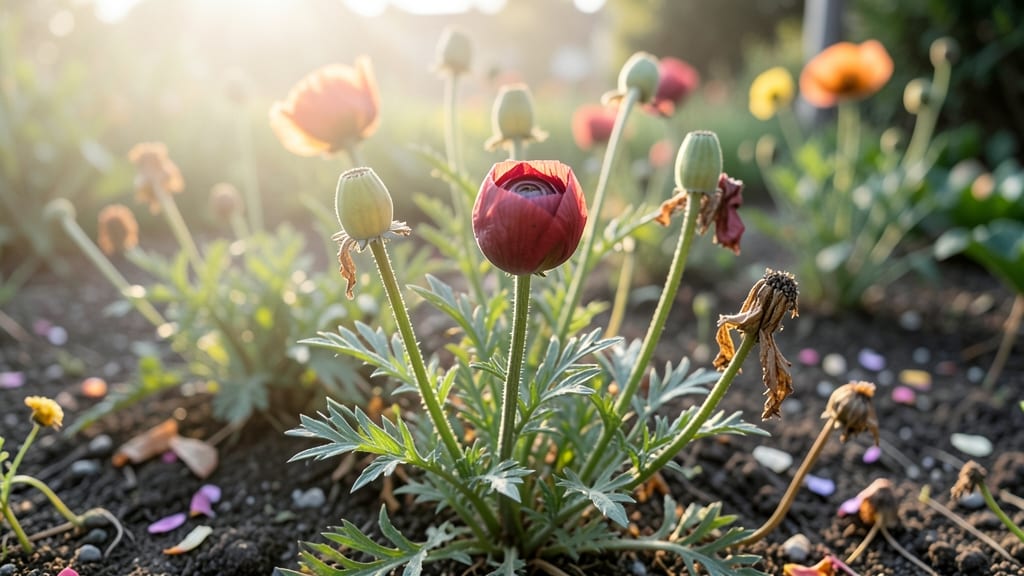
Some flowers never get to bloom and see the day because they’re silently begging for the right care—not just more water or fertilizer, but the precise balance of light, air, and patience they need. 🌸 I’ve nursed back more than a dozen "hopeless" plants by focusing on hydration science, and the results are nothing short of miraculous: buds that were limp and brown suddenly plump with color, stems that were brittle now stand tall.
The key isn’t guessing—it’s understanding what your plants actually need to thrive.
Most wilted blooms fail because of one of three things: underwatering (which causes roots to suffocate), overwatering (which drowns them), or light stress (like too much direct sun or too little). Even the hardiest flowers—like hydrangeas or petunias—need a specific routine.
For example, I once revived a dying bougainvillea by switching to morning watering and moving it to a spot with dappled shade—within a week, new buds formed. The fix isn’t complicated, but it is precise.
By the end of this, you’ll spot the early signs of stress—yellowing leaves, drooping stems, or buds that refuse to open—and know exactly how to turn things around. We’re talking lush, vibrant blooms that last weeks, not just a temporary fix.
The best part? These methods work for indoor plants, container gardens, and in-ground beds alike, so no matter where your flowers live, they’ll get the care they deserve.
Let’s start with the simplest test: the finger-check method for soil moisture. Stick your finger an inch deep—if it’s dry, water deeply; if it’s soggy, hold off. Small adjustments here make all the difference. Ready to bring your flowers back to life?
The Hidden Barriers to Blooming
Every garden tells a story—some of resilience, others of quiet tragedy. When flowers fail to bloom, it’s rarely a random act of nature. Instead, it’s often a cascade of preventable factors, each rooted in science.
Understanding these barriers is the first step to coaxing those dormant buds into vibrant life. Let’s pull back the curtain on why some flowers never get their day in the sun.
Plants, like us, thrive within a "comfort zone." Step outside those boundaries, and stress sets in—often silently stifling growth before blooms even form.
- 🔥 Extreme Temperatures
- Cold Snaps: Many flowers (e.g., Petunias, Geraniums) are frost-sensitive. Temperatures below 50°F (10°C) can halt flowering by disrupting photosynthesis and hormone production. The plant redirects energy to survival, not blooms.
- Heatwaves: Above 90°F (32°C), flowers like Impatiens may "bolt" (send up seed stalks prematurely) or produce abscisic acid, a stress hormone that shuts down buds.
- 💡 Actionable Fix: Use mulch (2–3 inches) to regulate soil temp. For heat-lovers (e.g., Lantana), ensure drip irrigation keeps roots cool.
- 🌡️ Light Deficiencies
- Too Little Sun: Flowers like African Violets or Peace Lilies need 6–8 hours of indirect light daily. Without it, they produce etiolated (stretched, weak) stems and fewer florigen hormones (the chemical signal for blooming).
- Too Much Sun: Caladiums or Coleus scorch in full sun, triggering oxidative stress and bud drop.
- 🎯 Fix: Rotate pots for even light exposure. Use sheer curtains to diffuse harsh afternoon sun.
Water is the lifeblood of blooms—but too much or too little sends flowers into survival mode. Here’s how:
- 🔥 Overwatering: Root Suffocation
- Soggy soil cuts off oxygen to roots, leading to root rot (caused by fungi like Phytophthora). Without energy transport, buds never mature.
- Signs: Yellowing leaves, mushy stems, ethylene gas buildup (which accelerates aging).
- 👨🍳 Fix: Test soil moisture with your finger—top 1–2 inches should dry before watering. Use pots with drainage holes and well-draining mix (e.g., perlite + coco coir).
- 🥶 Underwatering: The Silent Bud Killer
- Drought stress triggers abscisic acid, causing buds to abort before opening. Chronic dehydration also leads to leaf curling, reducing photosynthesis by 30–50%.
- 💡 Pro Tip: Group plants with similar water needs (e.g., Succulents vs. Orchids) and use self-watering globes for consistency.
Blooms are energy-intensive. Without the right nutrients, flowers simply can’t afford to open. Here’s what’s missing:
| Nutrient | Role in Blooming | Deficiency Signs | Fix It |
|---|---|---|---|
| Phosphorus (P) | Boosts flowering hormones (florigen) and root growth. | Purple-streaked leaves, stunted buds, slow growth. | Use bone meal or phosphorus-rich fertilizer (e.g., 5-10-10 ratio). |
| Potassium (K) | Regulates water uptake and disease resistance. | Yellow leaf edges (scorching), weak stems, bud drop. | Add wood ash or potassium sulfate. |
| Magnesium (Mg) | Critical for chlorophyll (energy production). | Yellow interveinal leaf patterns, poor bud set. | Spray Epsom salt solution (1 tbsp/gallon) monthly. |
💡 Remember: A balanced fertilizer (e.g., 10-10-10) is safer than guessing. Over-fertilizing with nitrogen (N) leads to leafy monsters with zero blooms!
Some flowers are biologically programmed to bloom at specific times—or not at all. Here’s how to decode their schedule:
- 🌸 Short-Day vs. Long-Day Plants
- Short-Day Plants (e.g., Chrysanthemums, Poinsettias) need 12+ hours of darkness to trigger blooming. Artificial light at night can delay or prevent flowers.
- Long-Day Plants (e.g., Lilies, Sunflowers) require 14+ hours of light. Shorter days = no blooms.
- ✨ Fix: Use blackout curtains for short-day plants or grow lights for long-day varieties.
- 🌱 Age and Maturity
- Many perennials (e.g., Daylilies, Coneflowers) take 2–3 years to reach full blooming potential. Forcing them with fertilizer won’t speed this up—it’ll just stress the plant.
- 🎯 Action: Plant annuals (e.g., Marigolds) for instant color, or be patient with perennials.
- 🍂 Dormancy Triggers
- Some flowers (e.g., Daffodils, Tulips) need a cold period (vernalization) to break dormancy. Without it, they may produce leaves but no flowers.
- 🔥 Fix: Store bulbs in the fridge (35–40°F/2–4°C) for 8–12 weeks before planting.
Now that you know the science-backed roadblocks, the next step is reviving those wilting dreams. But first—have you checked your plant’s light, water, and soil pH? Often, the fix is simpler than you think!
Reviving Wilted Blooms: Step-by-Step Solutions
When your flowers seem destined to fade before they even bloom, it’s often a sign they’re struggling—not necessarily doomed. With the right care, you can coax them back to life and help them reach their full potential.
Below, we break down the most common causes of wilting and provide practical, science-backed solutions to revive them. Think of this as a first-aid kit for your plants!
Fix: Hydrate Like a Pro 💧🌿 Wilting often starts when roots can’t access enough water. Over time, this dehydrates the plant, causing leaves to droop or flowers to wither before opening.
- 🔥 Step 1: Deep Watering Revival - Fill a clean container (like a sink or basin) with room-temperature water. - Submerge the entire pot (or the base of the plant if in soil) for 10–15 minutes.
This ensures water reaches deep roots. - Pro Tip: 💡 If the soil is bone-dry, repeat every 2–3 hours until moisture seeps to the surface.
- 🍳 Step 2: Adjust Your Watering Routine - Check soil moisture before watering: Stick your finger 1–2 inches deep.
If dry, it’s time to water. - Morning watering is best—it reduces evaporation and prevents fungal growth. - Avoid soggy soil: Use pots with drainage holes and a well-draining soil mix (e.g., 60% potting soil + 30% perlite + 10% sand).
- 🌡️ Prevention Tips:
- Group plants with similar water needs together.
- Use self-watering pots or moisture meters for peace of mind.
- Mulch around the base to retain moisture (try coconut coir or straw).
Fix: Drain the Drama, Save the Roots 🚿🚫 Too much water suffocates roots by cutting off oxygen, leading to root rot and stunted blooms. Yellowing leaves or a mushy stem? You’re overdoing it.
- 🔪 Step 1: Emergency Drainage
- Remove the plant from its pot and gently shake off excess soil to inspect roots.
- If roots are black, mushy, or smell foul, trim the damaged parts with sterilized scissors.
- Repot in fresh, dry potting mix and place the pot in a shady, well-ventilated spot for 3–5 days to dry out.
- ⏰ Step 2: Reset the Watering Schedule
- Let the top 1–2 inches of soil dry out completely before watering again.
- Water only when needed: Stick to a "soak and dry" method—water thoroughly, then wait.
- Pro Tip: ✨ Use a spray bottle for misting (great for humidity-loving plants like ferns) instead of drowning them.
- 🎯 Prevention Tips:
- Choose pots with multiple drainage holes.
- Opt for terracotta pots—they dry out faster than plastic.
- Avoid saucers unless they’re empty after 30 minutes post-watering.
Fix: Find the Goldilocks Zone ☀️🌑 Flowers need just the right amount of light to bloom. Too little = leggy, weak growth. Too much = scorched leaves and closed buds.
- 🌿 Step 1: Diagnose the Light Issue
- Too little light? Move the plant to a south- or west-facing window (or use a grow light 6–8 inches away for 12–14 hours/day).
- Too much light? Shift to a north-facing window or filter sunlight with a sheer curtain.
- Pro Tip: 💡 Rotate the pot weekly so all sides get even light exposure.
- 👨🍳 Step 2: Adjust Gradually
- If relocating, acclimate the plant over 7–10 days to avoid shock. Start with 2 hours of sun/day, then increase.
- Signs of improvement: Leaves perk up, new buds form, and existing buds open fully.
- 🌡️ Prevention Tips:
- Research your plant’s light requirements (e.g., succulents need bright light; peace lilies thrive in shade).
- Avoid cold drafts near windows—temperature swings stress plants.
- Use reflective surfaces (like mirrors) to bounce light into shady corners.
Fix: Feed Them Right for Stronger Blooms 🍽️💪 Wilting can signal a lack of essential nutrients, especially phosphorus (for blooms) and potassium (for root health).
- 🥗 Step 1: Soil Test & Amend
- Purchase a DIY soil test kit (or send a sample to a local nursery) to check pH and nutrient levels.
- Quick fixes:
- Low phosphorus? Use a balanced fertilizer (like 10-10-10) or bone meal.
- Yellow leaves? Add iron supplements or Epsom salt (1 tbsp per gallon of water, monthly).
- 🍎 Step 2: Fertilize Strategically
- Blooming plants need high-phosphorus fertilizer (e.g., 5-10-10). Apply every 4–6 weeks during growing season.
- Avoid over-fertilizing: More isn’t better—it burns roots. Follow package instructions!
- Pro Tip: ✨ Fish emulsion or compost tea are gentle organic options for nutrient-poor soil.
- 📊 Prevention Tips:
- Refresh soil annually with compost or aged manure.
- Use slow-release granules for steady nutrition.
- Flush the soil every 3 months with water to prevent salt buildup from fertilizers.
Fix: Calm the Plant & Kick Out Invaders 🛡️🐜 New pots, pests, or disease can derail a flower’s growth before it blooms.
- 🌱 Step 1: Ease Transplant Trauma
- Repot carefully: Handle roots gently and avoid compacting soil.
- Water lightly after transplanting (don’t drown them!).
- Provide shade for 1–2 weeks to reduce stress.
- 👨🍳 Step 2: Pest & Disease Control
- Inspect leaves for aphids, spider mites, or whitefly. Blast them off with water or use neem oil spray.
- Fungal issues? Treat with baking soda spray (1 tsp baking soda + 1 quart water + a drop of dish soap).
- Pro Tip: 💡 Introduce beneficial insects like ladybugs to combat pests naturally.
- 🎯 Prevention Tips:
- Quarantine new plants for 2 weeks before introducing them to others.
- Keep tools clean to prevent spreading disease.
- Prune damaged leaves immediately to stop pest spread.
With these targeted fixes, your wilting flowers stand a real chance to bloom—just like they were meant to. Remember, patience and consistency are key. 🌸 Start with one solution at a time, monitor progress, and soon you’ll be rewarded with vibrant, healthy blooms that finally get to shine!
Frequently asked questions
Why do some flowers never bloom even with good care?
Some flowers are genetically programmed to bloom only under specific conditions—like short-day plants (e.g., chrysanthemums) needing 12+ hours of darknesslong-day plants (e.g., sunflowers) requiring 14+ hours of light. Others, like daylilies, take 2-3 years to mature before blooming. Even with perfect care, their biological clock won't let them bloom until the right time!
How do I know if my plant is getting too much or too little light?
Check the leaves: Leggy stems or pale yellow leaves mean too little light, while brown patches or crispy edges signal too much. For indoor plants, a south-facing window usually works for most bloomers, while east-facing is gentler. Rotate your pots weekly to ensure even growth!
Can I force a flower to bloom faster than its natural timeline?
Not reliably! While you can fertilize with phosphorus-rich products (like bone meal) or adjust light conditions, forcing blooms too early stresses the plant. For example, poinsettias need 12 weeks of short days—skipping this step means no flowers, no matter how much you water. Patience pays off!
What’s the quickest way to revive a severely wilted plant?
Start with a deep watering revival: Submerge the pot in room-temperature water for 10-15 minutes, then let it drain completely. Next, trim any black or mushy roots and repot in fresh, dry soil. Place it in bright, indirect light (no direct sun!) for 3-5 days to recover. Most plants bounce back within a week!
Are there any flowers that bloom reliably even with minimal care?
Try zinnia, marigold, or geranium—they’re tough, drought-tolerant, and bloom prolifically with just sunlight and occasional watering. Even succulents like echeveria produce stunning flowers with almost no effort. These are perfect for beginners!