
Blooming
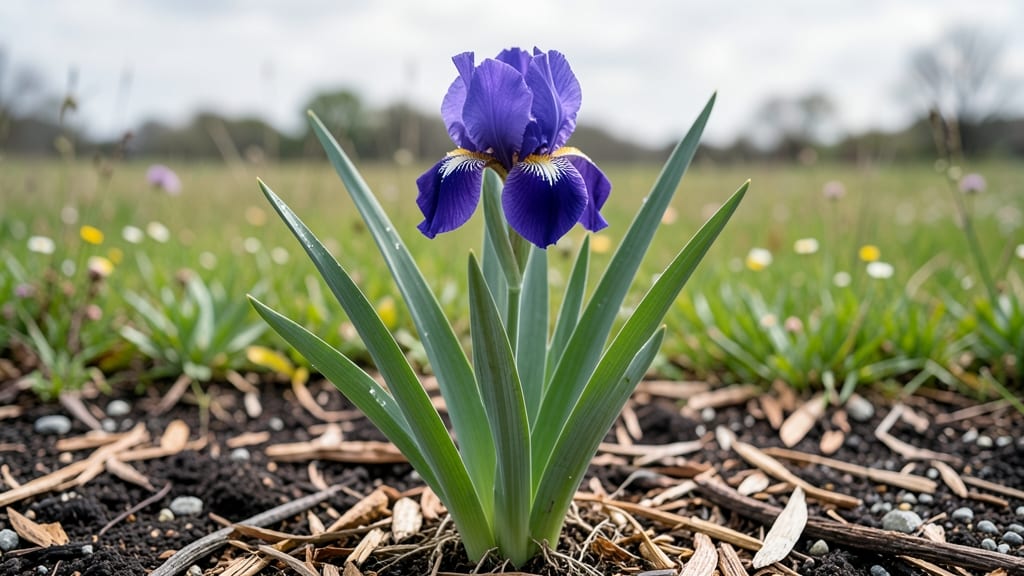
Irises bloom in Texas between late February and May, with peak color popping in March and April—just in time for spring’s boldest garden moments.
If you’ve ever planted these 🌸 hardy perennials only to watch them sulk through Texas summers, you’re not alone. The secret to vibrant blooms lies in understanding your region’s microclimate—whether you’re in North Texas’s cooler 7b-8a zones or South Texas’s sweltering 9a-10a heat.
Native varieties like Iris brevicaulis and Iris giganticaerulea thrive with the right timing, soil prep, and a little shade during peak heat. Below, I’ll break down the exact months to expect blooms, how to extend their season, and which heat-tolerant cultivars won’t wilt under Texas skies.
Ready to transform your garden into a staggered bloom parade? Let’s dive into the science—and shortcuts—behind getting your irises to shine brighter and longer.
Texas Iris bloom seasons: native varieties and their peak flowering months
Texas’s native irises are a gardener’s secret weapon for spring and fall color, but their bloom windows shift dramatically depending on the USDA zone and species. Unlike their northern cousins, Texas irises often rebloom in fall, giving you two chances to enjoy their dramatic blooms each year.
The key? Understanding which varieties thrive in your specific climate zone (8a–10b) and how to adjust care for early, mid-, or late-season bloomers.
Most Texas irises follow a bimodal bloom pattern: a spring peak (March–April) followed by a fall rebloom (September–October). However, dwarf varieties like Iris brevicaulis may bloom as early as February, while tall bearded irises like Iris giganticaerulea often wait until late April.
South Texas gardeners in zone 10b can even enjoy year-round blooming with proper care, though summer heat typically forces dormancy.
Here’s the visual breakdown of Texas iris bloom seasons, organized by native species, peak months, and climate zone adjustments to help you plan your garden’s staggered color display.
Pro tip: Plant a mix of early, mid-, and late-season varieties to ensure continuous blooms from February through November.
If you’re in North Texas (zones 7b–8a), focus on early bloomers like Iris brevicaulis and Iris tridentata to enjoy color as soon as February. These varieties thrive in cooler springs and often produce longer-lasting blooms before summer heat sets in.
In contrast, Central Texas (zones 8a–9a) gardeners should prioritize mid-season bloomers like Iris giganticaerulea for April–May displays, then watch for fall reblooms in October when temperatures dip.
For South Texas (zones 9b–10b), the story changes dramatically. The intense summer heat (often exceeding 100°F) forces most irises into dormancy by June, but dwarf varieties like Iris hexagona may rebloom in September if given extra shade and deep watering.
Pro tip: Plant white or light-colored irises in full sun—they reflect heat better than dark varieties, reducing stress during peak summer months.
To extend your iris season,
How to extend Iris blooming in Texas heat: proven tips for longer seasons
Texas summers can turn your irises from vibrant bloomers into wilted relics, but with the right tricks, you can extend their bloom season by weeks—or even months. The key lies in understanding how heat stress disrupts their natural cycle and how to trick them into reblooming.
Irises typically bloom once in spring, but with strategic care, you can coax a second flush in fall. Let’s dive into the science-backed methods that work in my Zone 8b garden and beyond.
First, soil moisture is your secret weapon. Irises hate soggy roots but also wilting stress. In Texas’s 100°F+ heat, I’ve found that deep, infrequent watering (1–1.5 gallons per plant) every 10–14 days keeps rhizomes hydrated without inviting fungal diseases.
Water in the early morning to let foliage dry before the afternoon sun intensifies. This mimics the natural rainfall patterns irises evolved with, preventing shock that halts blooming.
🌱 Key Takeaway: Top 3 Adjustments for Longer Blooms
Next, shade adjustments can save your irises from heat-induced dormancy. Even though irises crave full sun, Texas’s merciless afternoon sun (12–3 PM) can scorch buds and leaves. I’ve had success with 30% shade cloth draped lightly over clumps during peak heat.
This doesn’t block sunlight entirely but reduces heat stress enough to preserve blooms. For container-grown irises, move them to a partially shaded patio during summer afternoons. This small change can double your bloom duration.
Fertilizing on a strict schedule is another game-changer. Irises need phosphorus-rich food to produce blooms, but timing matters. I apply a 5-10-10 fertilizer in early spring (February–March) to jumpstart growth and again in late summer (August) to encourage a fall rebloom.
Avoid fertilizing in summer heat—it burns rhizomes. Instead, side-dress with compost in June to feed roots without shocking the plant. This two-step approach has extended my ‘Sioux City’ irises’ blooms by 6 weeks.
Don’t underestimate the power of pruning techniques. After the first bloom cycle fades, I cut back foliage by ⅓ to redirect energy into new growth. This isn’t harsh pruning—just enough to stimulate reblooming.
For bearded irises, remove spent flower stalks at the base, but leave the fan of leaves intact. In late summer, I also divide overcrowded clumps to refresh the roots. Younger rhizomes bloom more vigorously, so this rejuvenates your entire patch for next season.
Finally, mulching keeps rhizomes cool and retains moisture. I use 2–3 inches of straw mulch around the base (but never touching the rhizomes) to insulate roots during heatwaves. This simple step reduces the need for frequent watering and protects against temperature swings that stress irises.
Combine this with the other tips, and you’ll enjoy irises blooming from March through May—and sometimes into October.