
Blooming
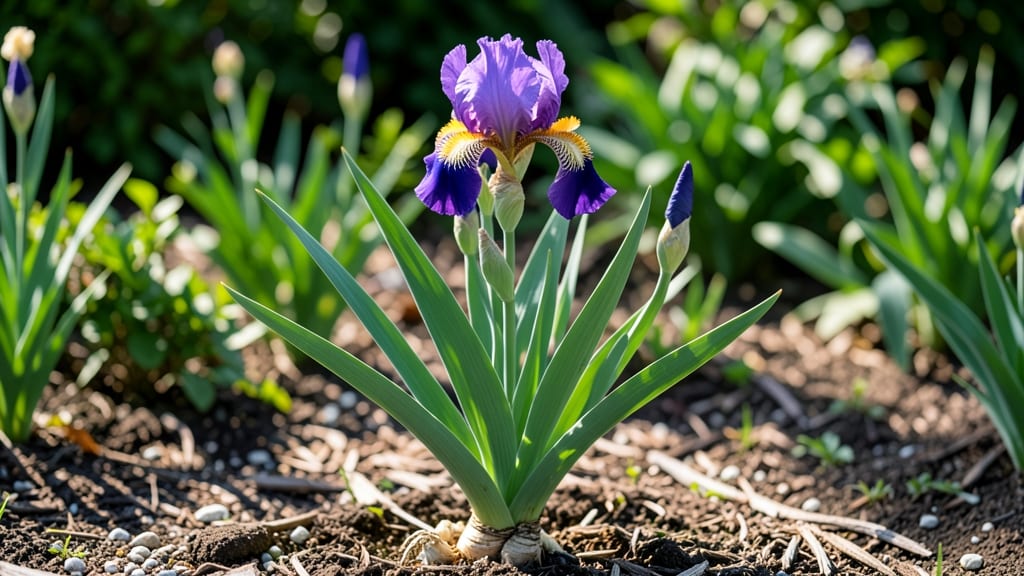
Iris bloom in Zone 6 between late spring and early summer, typically from May through June, when the soil warms and daylight stretches longer.
If you’ve ever eagerly waited for those 🌸 purple spikes to rise—only to miss the peak—you know timing matters. A week too early or late, and you might be left with wilted blooms or empty garden beds.
Most varieties, like bearded irises, follow this schedule, but Siberian irises may bloom a bit earlier, while reblooming types could stretch into July. Local microclimates, like a sheltered spot or extra sun, can shift the window by a few weeks.
Below, I’ll break down the exact month-by-month timeline, plus pro tips to coax longer blooms—so you never miss another showstopping display.
Zone 6 Iris bloom timeline: month-by-month flowering schedule
Understanding when irises bloom in Zone 6 helps you plan for their stunning displays. Most irises in this zone follow a predictable schedule, though early, mid, and late-season varieties can shift timelines slightly.
The key factors influencing bloom time include soil temperature, sunlight exposure, and even last year’s growing conditions. Let’s break down the month-by-month timeline so you can anticipate those vibrant blooms with confidence.
In Zone 6, irises typically begin their late-spring to early-summer blooming period around mid-April to early May, with peak blooms lasting through June. However, this can vary by 1-2 weeks depending on your specific location within the zone and microclimates.
For example, areas like Chicago’s northern suburbs might see blooms slightly later than St. Louis’s warmer southern regions. Let’s explore the exact timeline for each month.
🌱 Early bloomers, like Iris reticulata or Iris histrioides, often push through snow in late March to early April, offering a preview of the season’s color palette. These dwarf iris varieties thrive in cooler conditions and can be planted in rock gardens or containers for easy viewing. Their smaller stature and earlier bloom time make them perfect for adding early-season interest to your garden.
By mid-April, most bearded irises begin their bloom cycle, with German irises often leading the charge. These varieties typically produce 3-5 blooms per stalk and thrive in full sun exposure.
If your irises aren’t blooming by early May, check for overcrowded rhizomes or nutrient deficiencies, as these are common culprits. A light application of balanced fertilizer (5-10-10) in early spring can encourage stronger growth and more abundant blooms.
Mid-season bloomers, such as Louisiana irises and Japanese irises, often peak in late May to early June. These varieties are prized for their unique, exotic blooms and thrive in moist, well-draining soil. If you’re growing Siberian irises, expect their delicate, spider-like flowers to appear around late May, adding a touch of elegance to your garden. These varieties are also more drought-tolerant once established, making them ideal for low-maintenance gardens.
For late-season bloomers, like Arctic irises or some reblooming varieties, you might see a second flush of color in early to mid-June. These irises often produce smaller but equally stunning blooms and are perfect for extending your garden’s
How to extend Iris blooming season in Zone 6 gardens
If you love the bold colors of irises but wish they lasted longer in your Zone 6 garden, you’re not alone. Most irises bloom for just 2-3 weeks in late spring, but with the right strategies, you can stretch that season to 6 weeks or more.
The key lies in understanding their natural cycle and giving them the perfect growing conditions to thrive.
I’ve found that combining proper soil preparation, strategic watering, and selective deadheading can transform a brief burst of color into a prolonged display. Even better, some iris varieties naturally bloom earlier or later, giving you a staggered show.
Let’s dive into the practical steps to make your irises shine longer.
Select early bloomers like Iris reticulata (February-March) and late bloomers like Iris germanica (June-July) for staggered color. Siberian irises also extend the season by blooming in late May-June.
Irises thrive in well-draining, slightly alkaline soil (pH 6.0-7.5). Mix in 2-3 inches of compost in early spring to boost nutrients and improve drainage. Avoid heavy clay soils, which can suffocate rhizomes.
Irises hate soggy roots. Water once weekly during bloom season (May-June) with 1 inch of water, then reduce to every 2 weeks in summer. Always water at the base of the plant, not the leaves, to prevent disease.
Remove spent blooms immediately to prevent seed production, which drains energy. However, leave 1-2 seed pods per stalk if you want natural propagation. For longer blooms, avoid cutting back foliage until it yellows naturally in late summer.
Overcrowded irises bloom poorly. In early fall, dig up clumps, separate rhizomes with fan-like roots, and replant with tops exposed. This rejuvenates plants and encourages more vigorous blooms the following year.
Another trick I’ve used is to plant irises near late-blooming perennials, like catmint or Russian sage, to create a seamless transition as the irises fade. This not only extends the visual impact but also attracts pollinators longer into the season.
For example, pairing bearded irises with lavender ensures your garden stays vibrant from May through July.
Finally, protect your irises from late-season pests like iris borers by applying neem oil in early summer. Healthy plants bloom better, and a little prevention goes a long way. With these steps, you’ll enjoy those striking blooms for weeks instead of just a fleeting moment.
🌸