
Blooming
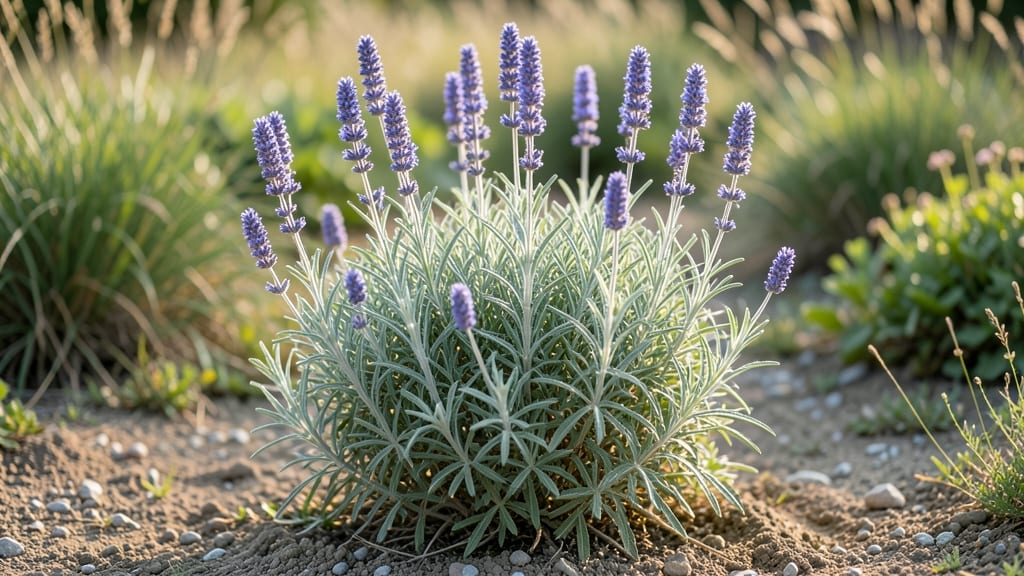
Russian sage blooms in late summer to early fall, with purple-blue spikes that last for weeks if you time care just right.
If you’ve planted Russian sage (Perovskia atriplicifolia) hoping for its stunning purple-blue spikes, timing is everything—blooms can vary wildly by USDA zone, climate, and even soil conditions.
In Zone 6a, like much of the Midwest, expect blooms to kick off in July and stretch through September, while coastal areas may see them arrive a month earlier. The key? Full sun, well-draining soil, and a light pruning in early spring to encourage fresh growth.
Below, I’ll break down the exact bloom windows for your zone, plus three simple tricks to extend those vibrant spikes by 4-6 weeks—no green thumb required.
Russian sage bloom time by USDA hardiness Zone: exact months for purple spikes
Russian sage (Perovskia atriplicifolia) thrives in USDA Zones 5-10, but its bloom timing shifts dramatically depending on your exact zone and microclimate.
In cooler Zone 5, expect late July to early September blooms, while Zone 10 gardens may see flowers as early as May and stretching into November. Understanding these variations helps you time companion plantings and maintenance tasks perfectly.
Coastal regions often experience earlier blooms due to milder winters, while inland areas may see delayed starts. High-desert climates like Zone 7b can trigger blooms 2-3 weeks earlier than humid zones.
Late frosts or heatwaves can also push bloom windows by 10-14 days, so local weather patterns matter more than just your zone number.
I've grown Russian sage in Zone 6b and Zone 8a, and the difference in bloom timing is striking. In my Zone 6b garden, the purple spikes first appear in mid-August, while my friend in Zone 8a sees hers start in late June.
This variation means you'll need to adjust your garden plans accordingly.
| USDA Zone | Early Bloom | Peak Bloom | Late Bloom | Climate Notes |
|---|---|---|---|---|
| 5 | Late July | Mid-August to early Sept | Mid-Sept | Cooler summers; late frosts possible |
| 6 | Early to mid-August | Late August to early Sept | Late Sept | Hot summers; drought-tolerant |
| 7 | Late June to early July | July to mid-August | Early Sept | Desert areas bloom earlier; humid areas later |
| 8 | Mid-June to early July | July to early Sept | Mid-Sept | Coastal areas bloom earliest |
| 9 | Early June | June to August | Late Sept | Longest bloom season; minimal frost risk |
| 10 | May | June to October | November | Tropical climates; continuous blooms possible |
If you're in Zone 5 or 6, plan your garden around late summer blooms by pairing Russian sage with fall-blooming asters or goldenrod for a seamless color transition.
In Zones 7-10, you'll have more flexibility to mix it with early summer bloomers like catmint or lavender for a continuous display.
Heatwaves can actually shorten bloom time in Zones 8-10 by causing stress. I've noticed my Zone 8a plants in July heatwaves will drop buds prematurely unless I provide afternoon shade and deep watering.
In contrast, my Zone 6b plants handle heat better once established, thanks to their natural drought tolerance.
For coastal gardeners, the Pacific Northwest and California coast often see blooms 3-4 weeks earlier than inland areas. The maritime climate keeps temperatures moderate, while inland Zone 7b areas like Denver may experience delayed starts due to hotter summers.
Always check your local microclimate for the most accurate timing.
Late frosts can also delay blooming in Zones 5-6. If you're in an area with late spring frosts, consider planting Russian sage near a south-facing wall or heat-retaining brick to protect it.
I've found that even a single late frost in May can push back blooms by 2-3 weeks in my Zone 6b garden.
To maximize your Russian sage's bloom time, focus on well-draining soil and full sun exposure. I've seen plants in clay-heavy soils bloom 4
How to extend Russian sage bloom time: pruning, deadheading, and care tips
Russian sage’s purple-blue flower spikes can dominate your garden from early summer to fall—but only if you time your care right. The secret to 4-6 extra weeks of blooms lies in strategic pruning, deadheading, and soil management.
Unlike many perennials, Russian sage responds well to late-season cuts that trigger new growth, but timing matters. Skip this step, and you’ll miss out on that second flush of color that keeps your garden vibrant well into October.
First, understand that Russian sage blooms on new wood (current year’s growth), not old wood. This means aggressive pruning in early spring can reduce summer blooms, while light pruning after flowering encourages reblooming. The key is balancing renewal cuts with bloom preservation.
Organic gardeners swear by compost tea and fish emulsion for second flushes, while synthetic fertilizer fans prefer low-nitrogen blends to avoid leafy growth over flowers.
- 🌱 Step 1: Deadhead spent blooms every 2-3 weeks to redirect energy to new flowers. Use clean bypass pruners and cut just above the first set of healthy leaves.
- ✂️ Step 2: Prune lightly in late summer (August-September) to encourage second flushes. Trim back 1/3 of the plant to stimulate new growth.
- 💧 Step 3: Water deeply every 7-10 days during dry spells. Russian sage is drought-tolerant but needs moisture for reblooming.
- 🌿 Step 4: Amend soil with compost or bone meal in early spring to boost phosphorus for flowers. Avoid high-nitrogen fertilizers.
- ☀️ Step 5: Ensure full sun (6+ hours daily). Shade reduces blooms, so place in the sunniest spot in your garden.
For organic gardeners, a balanced fertilizer like fish emulsion (5-5-5) in early spring jumpstarts growth without promoting leafy foliage. Apply 1 tablespoon per plant and water thoroughly. Synthetic fertilizer users should opt for a low-nitrogen, high-phosphorus blend (like 5-10-5) in late summer to trigger reblooming.
Over-fertilizing with nitrogen will delay flowers as the plant focuses on leaves instead.
Watering plays a critical role in extending bloom time. Russian sage is drought-tolerant once established, but deep, infrequent watering (1-2 inches per week) encourages stronger roots and more robust blooms. Avoid overhead watering—it promotes fungal diseases that weaken the plant.
Instead, use drip irrigation or soaker hoses to deliver water directly to the root zone.
If your Russian sage stops blooming mid-season, it’s often due to over-pruning or poor soil. Test your soil’s pH—Russian sage thrives in alkaline soil (7.0-8.0). If your soil is acidic, amend it with lime or wood ash in early spring.
Mulch with gravel or bark to retain moisture and regulate soil temperature, which helps prolong the blooming season.
With these techniques, your Russian sage can bloom from July through October, providing months of color and attracting pollinators like bees and butterflies. The key is consistency: deadhead regularly, prune strategically, and feed the soil—not the plant.
Your garden will thank you with vibrant, long-lasting blooms that turn heads all season long. 🌿