
Blooming
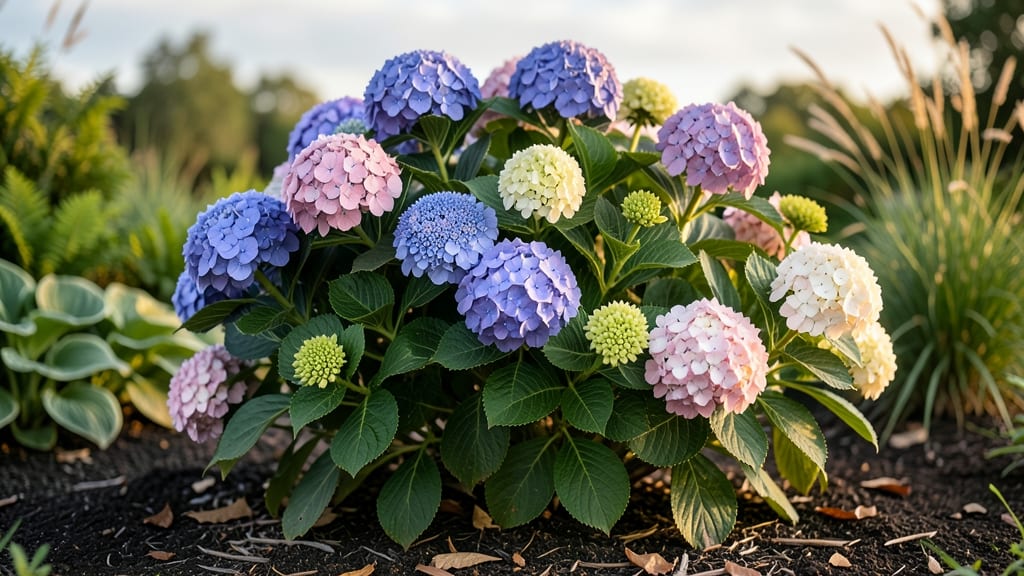
Hydrangeas bloom in Massachusetts between mid-June and August, with timing depending on your zone and variety—so if you’ve ever waited impatiently for those showstopping 🌸 clusters, you’re not alone.
Picture this: your neighbor’s hydrangeas are already bursting with color in early July, while yours are still just buds. That’s because Massachusetts’ 5b-6b zones create a 2-3 week spread in bloom times, and some varieties—like the late-blooming 'Endless Summer'—play by their own rules.
Below, I’ll break down the exact months for your specific zone, how to adjust pruning and care to encourage earlier blooms, and why your hydrangeas might still be napping when everyone else’s garden is in full color.
You’ll also find out how to use frost dates and USDA maps to predict your garden’s peak season—so you can plan your summer parties (and your pruners) like a pro.
Massachusetts hydrangea bloom timeline by hardiness zones (5-7)
Massachusetts gardeners know hydrangeas are a showstopper, but their bloom timing varies dramatically across the state's USDA zones 5-7.
In Zone 5 (northwest MA), like Worcester or Springfield, expect blooms to arrive 2-3 weeks later than in Zone 7 (southeast MA), such as Boston or Cape Cod. Understanding these differences helps you plan pruning and select varieties that thrive in your microclimate.
The key to predicting bloom times lies in last frost dates and variety selection. Most hydrangeas need 10-14 frost-free days to set buds, but 'Annabelle' and 'Limelight' varieties often bloom earlier than 'Endless Summer' or panicle types. Let's break down what to expect month-by-month for each zone.
🌱 Pro Tip: Use your local Almanac frost dates as a guide—Zone 5 typically sees its last frost around May 15, while Zone 7 averages April 20. This 3-week difference shifts bloom windows significantly.
| Zone & Variety | Bud Formation | Peak Bloom | Bloom Duration | Notes |
|---|---|---|---|---|
| Zone 5 ('Annabelle') | Late May | Mid-July | 6-8 weeks | Early bloomer; white flowers |
| Zone 5 ('Endless Summer') | Early June | Late July | 8-10 weeks | Reblooms on old wood |
| Zone 6 ('Limelight') | Mid-May | Early July | 7-9 weeks | Greenish blooms; drought-tolerant |
| Zone 6 ('Panicle') | Late May | Mid-August | 6-8 weeks | Late-season; cone-shaped flowers |
| Zone 7 ('Nikko Blue') | Early May | Late June | 8-10 weeks | Blue blooms; loves humidity |
| Zone 7 ('Oakleaf') | Late April | Early July | 6-8 weeks | Early bloomer; fall color |
In Zone 5, where winters are colder, hydrangeas like 'Annabelle' and 'Endless Summer' often bloom 3-4 weeks later than in Zone 7. For example, 'Annabelle' typically sets buds in late May and peaks in mid-July, while 'Oakleaf' in Zone 7 starts as early as late April.
This 6-week difference in bud formation means gardeners in warmer zones can enjoy blooms earlier and potentially get two bloom cycles with reblooming varieties.
For central Massachusetts (Zone 6), think of mid-May to early June as your bud-setting window. Varieties like 'Limelight' and panicle hydrangeas thrive here, with 'Limelight' blooming in early July and lasting until mid-August.
These late-season bloomers extend your garden's color palette well into summer, making them ideal for cut flower arrangements.
If you're in southeast Massachusetts (Zone 7), you're in luck—hydrangeas often bloom 4-6 weeks earlier than in colder zones. 'Nikko Blue' and 'Oakleaf' varieties are early risers, with buds forming as soon as late April.
This means you can prune in late winter (February-March) and still enjoy blooms by late June. Just be mindful of late frosts, which can damage tender buds.
To extend your bloom season, choose reblooming varieties like 'Endless Summer' or 'You & Me'. These hydrangeas produce flowers on both old and new wood, giving you two chances at blooms—once on last year's growth and again on current season's stems.
In Zone 7, you might see early June blooms from old wood and late August blooms from new growth!
🌿 Zone-Specific Tip: Gardeners in Zone 5 should prune in early spring (March-April) to avoid cutting off next year's buds, while Zone 7 gardeners can prune right after blooming (late summer) to encourage new growth for fall color.
Remember, soil pH plays a role too! Blue hydrangeas (like
How to extend hydrangea blooming season in Massachusetts gardens
Massachusetts gardeners know the struggle—hydrangeas that bloom for just a few weeks instead of months. But with the right strategies, you can coax your shrubs into flowering earlier or keeping their color longer.
The key lies in understanding your USDA zone, adjusting soil conditions, and timing your pruning and care perfectly. Let's dive into the proven methods that work in our New England climate.
First, choose cold-hardy varieties suited to Massachusetts zones 5-7. 'Endless Summer' and 'Annabelle' are top performers, but even these benefit from a few extra tweaks. For example, oakleaf hydrangeas naturally bloom on old wood, making them ideal for extending your season.
Meanwhile, panicle hydrangeas like 'Limelight' produce blooms on new growth, giving you more flexibility with pruning.
Don't overlook the power of microclimates in Massachusetts. Gardens in southeast MA (Zone 7) can enjoy 2-3 weeks earlier blooms than those in northwest MA (Zone 5).
If you're in a cooler microclimate, opt for early-blooming varieties like 'Nikko Blue' or 'Grandiflora'. For longer seasons, mix early and late bloomers in your garden design.
One often-missed trick is winter protection. In Zone 5, wrap young hydrangeas with burlap or frost cloth during extreme cold snaps (below 10°F).
This prevents bud damage that can delay or reduce blooming. Even in Zone 6-7, a thick layer of mulch helps preserve bud health through winter.
Finally, keep an eye on pests and diseases—aphids and powdery mildew can stress your plants. Use neem oil or horticultural oil as a preventive spray in early spring before buds open.
Healthy plants bloom longer and more vigorously than stressed ones. With these strategies, your hydrangeas could be flowering from late spring through early fall! 🌸