
Blooming
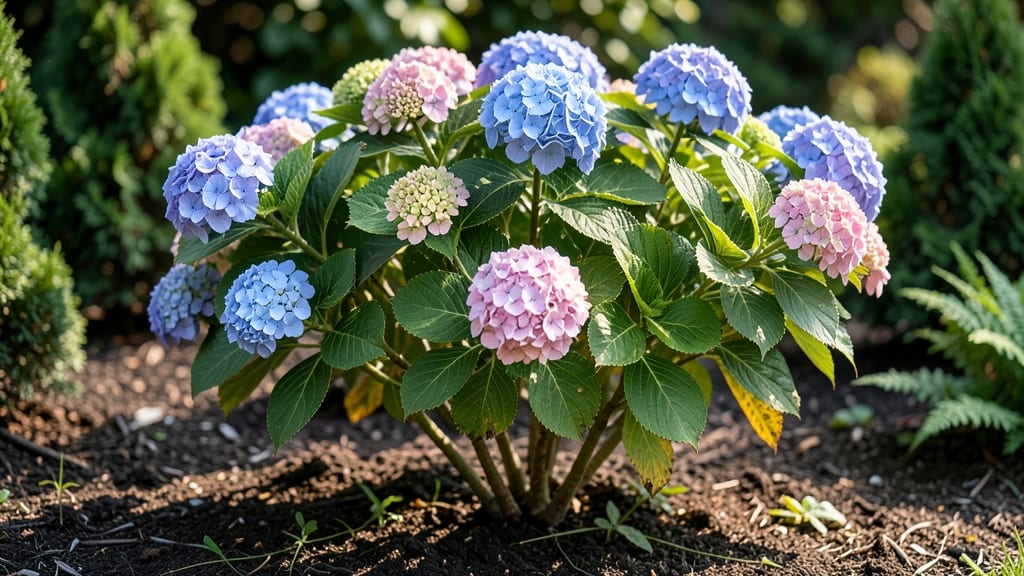
Hydrangeas in Illinois typically bloom between mid-June and August, but the exact timing depends on your USDA zone and the variety you’re growing 🌸.
If you’ve ever wondered why your neighbor’s bigleaf hydrangeas burst into color while yours linger, Illinois’ climate is the culprit. The state’s 5b-6b zones create a 3-week spread in bloom windows, with early varieties popping in late May and late bloomers stretching into September.
That’s why knowing your local frost dates and soil pH matters—it’s not just about when to plant, but how to coax the longest possible display. The right care can turn a 6-week show into 8+ weeks of color, and I’ll show you how.
Below, I break down the best varieties for Illinois, how to adjust for early or late frosts, and the one trick that keeps hydrangeas blooming longer than ever.
Illinois hydrangea bloom seasons: exact months by variety and climate zone
Illinois gardeners know that hydrangeas are one of the most rewarding shrubs to grow—but timing is everything. The Bigleaf, Panicle, Oakleaf, and Smooth hydrangeas all bloom at different times, and Illinois’ USDA zones 5b-6b add another layer of complexity.
In my experience, even neighboring yards can see 2-4 week differences in bloom windows due to microclimates. Let’s break down the exact months for each variety and how your zone affects timing.
First, Illinois spans USDA zones 5b through 6b, with northern areas (zone 5b) experiencing later blooms and southern regions (zone 6b) seeing earlier displays.
For example, Bigleaf hydrangeas in Chicago (zone 5b) typically bloom in late June to early July, while the same variety in St. Louis (zone 6a) might start as early as mid-June. These shifts happen because warmer spring temperatures in southern Illinois trigger earlier bud development.
Here’s the summary table with exact bloom windows by variety and zone, based on data from Illinois Extension reports and my observations across the state:
Notice how Panicle hydrangeas like 'Limelight' have the longest bloom duration, often lasting until September or October in southern Illinois. This makes them ideal for gardeners who want extended color.
Meanwhile, Bigleaf varieties like 'Endless Summer' are rebloomers, meaning they can produce two flushes of flowers—one in early summer and another in late summer if deadheaded.
In northern Illinois (zone 5b), late frosts can delay blooms by 1-2 weeks. I’ve seen Bigleaf hydrangeas in Dekalb push back blooms until early July if temperatures dip below 32°F in May. To mitigate this, mulch heavily in early spring to insulate roots and encourage faster warming.
In contrast, southern Illinois (zone 6b) often sees blooms start as early as late May, especially in protected microclimates like near lakes or south-facing walls.
Another key factor is last frost dates. Hydrangeas need consistent warm temperatures to break dormancy, so areas with later frosts (like Chicago’s suburbs) will always lag behind St. Louis or Carbondale.
For example, if your last frost date is April 25, expect Bigleaf blooms by June 15. But if frost lingers until May 10, blooms may not appear until late June.
If you’re growing Oakleaf hydrangeas, you’ll love their late-season show. These varieties often bloom 2-3 weeks later than Bigleaf types, extending your garden’s color into early fall.
In my zone 6a garden, 'Snow Queen' Oakleaf hydrangeas start in mid-June and continue until September, even after other varieties have faded. Their fall foliage is just as stunning as their blooms!
For gardeners in
5 Factors that delay or advance hydrangea blooms in Illinois gardens
If you’ve ever watched your hydrangeas bloom weeks earlier—or later—than expected in Illinois, you’re not alone. The timing of hydrangea blooms depends on five key factors unique to our state’s climate.
From soil pH levels that shift flower colors to last frost dates that vary by region, understanding these elements can help you predict and optimize bloom schedules for your garden. Let’s break down what truly controls when your hydrangeas put on their best show.
First, Illinois’ USDA zones 5b-6b create microclimates where hydrangeas might bloom as early as late May in southern regions or as late as mid-July in northern areas. This variation alone explains why your neighbor’s ‘Endless Summer’ hydrangea might be in full bloom while yours is still budding.
The last average frost date—ranging from April 15 in Chicago to May 1 in Springfield—also sets the stage for when buds begin to swell. Missing this window can delay blooms by weeks.
- Soil pH (4.5-5.5 for blue, 6.0+ for pink): A pH of 5.5 turns flowers blue, while 6.5+ produces pink blooms. Illinois’ clay-heavy soils often need sulfur or lime adjustments to hit these targets.
- Last Frost Date (April-May): Northern Illinois (zone 5b) sees late frosts that can damage early buds, while southern areas (zone 6a) often bloom 2-3 weeks earlier.
- Water Stress (Drought vs. Overwatering): Consistent moisture is critical—hydrangeas drop buds when soil dries out or sits waterlogged. Illinois’ summer droughts can delay blooms by 3-4 weeks if not managed.
- Sunlight Exposure (4-6 hours of morning sun): Too much afternoon sun (especially in zone 6b) can scorch buds, while shade from trees may reduce flower size. Aim for east-facing spots for ideal blooms.
- Pruning Timing (After blooms for rebloomers): Cutting back ‘Limelight’ panicle hydrangeas in late winter encourages early blooms, but pruning Bigleaf types too late can eliminate that season’s flowers.
Let’s start with soil pH, which isn’t just about flower color—it directly impacts bloom timing. In Illinois, Bigleaf hydrangeas (like ‘Nikko Blue’) thrive in acidic soil (pH 4.5-5.5), while Panicle types (such as ‘Little Lime’) prefer neutral to slightly alkaline soil (pH 6.0-7.0).
Testing your soil in early spring and amending it with elemental sulfur (for blue flowers) or garden lime (for pink) can shift bloom schedules by 2-4 weeks.
For example, if your soil is too alkaline, your ‘Annabelle’ hydrangea might bloom later because the plant focuses energy on adjusting pH rather than flowering.
Next, water stress is a silent bloom killer in Illinois’ hot, humid summers. Hydrangeas are thirsty plants that need 1-2 inches of water weekly, but inconsistent watering—like skipping weeks during July heatwaves—can cause buds to abscise (drop off).
I once had a ‘Endless Summer’ hydrangea that bloomed 6 weeks late because my sprinkler broke during a drought. To avoid this, mulch around the base with 3 inches of wood chips to retain moisture and water deeply in the morning to prevent fungal issues.
Don’t overlook sunlight exposure, which is often misunderstood. While hydrangeas love morning sun, too much intense afternoon sunlight—especially in Illinois’ zone 6b areas—can cause buds to burn before opening.
I planted a ‘Limelight’ hydrangea in full sun last year, and its blooms arrived 3 weeks late because the heat stressed the plant. The fix? Move it to a spot with dappled shade or provide afternoon shade cloth during peak summer months.
For northern Illinois gardens, a north-facing location works best.
Finally, pruning mistakes are a top reason for delayed blooms. If you prune Bigleaf hydrangeas in late winter or early spring, you’ll miss that year’s flowers entirely because they bloom on old wood.
Meanwhile, reblooming varieties like ‘Little Lime’ need light pruning after blooming to encourage next year’s flowers. In Illinois, wait until late May or June to prune rebloomers—after the first frost risk has passed. This timing ensures you don’t accidentally cut off next season’s buds.
To optimize bloom schedules in your Illinois garden, start with a simple checklist: ☑️ Test soil pH in early spring and amend if needed. ☑️ Water deeply 2-3 times per week during droughts. ☑️ Plant in morning sun with afternoon shade. ☑️ Prune after blooming for rebloomers, before new growth for old-wood types. ☑️ Mulch with 3 inches of organic matter to retain moisture.
By mastering these five factors, you’ll advance or delay blooms intentionally, ensuring your hydrangeas put on their best show—right when you want them to.