
Blooming
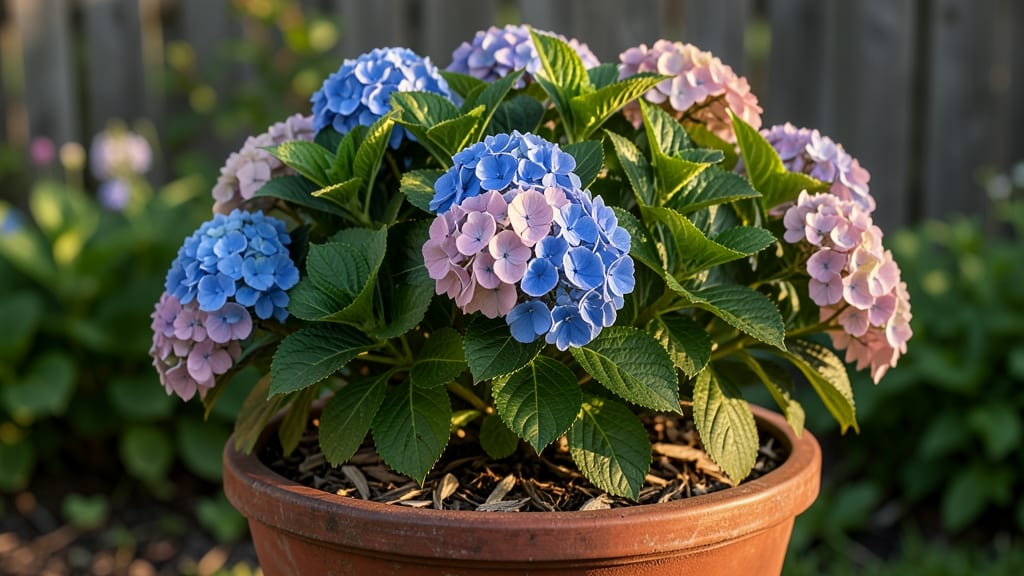
Hydrangeas bloom in Cape Cod between mid-June and late August, but the exact timing depends on the variety and your microclimate.
Cape Cod’s coastal charm is even more stunning when hydrangeas burst into bloom—but timing varies wildly by variety and microclimate. Miss the window, and you’ll wait another year for those show-stopping flowers.
For Bigleaf hydrangeas (Hydrangea macrophylla), like the classic Endless Summer, blooms typically start in late June and last through August. Meanwhile, Panicle hydrangeas (H. paniculata), such as Limelight, often bloom slightly later, from July to September, making them a longer-lasting option.
Here’s how to adjust your care to encourage blooms and extend their season in Cape Cod’s USDA Zone 6b, where salt spray and wind can challenge even the hardiest plants.
Hydrangea bloom timing in Cape Cod by variety (exact months)
Cape Cod’s unique coastal climate creates a distinct bloom schedule for hydrangeas, where salt spray, wind, and temperature swings can shift timing by 2-4 weeks compared to inland areas. Understanding these variations helps you plan pruning and care to maximize your shrubs' floral displays.
Let’s break down when each popular variety typically blooms in Cape Cod’s USDA Zone 6b, with adjustments for early vs. late microclimates.
Most hydrangeas in Cape Cod follow a late spring to early summer bloom cycle, but heatwaves or early frosts can disrupt this pattern. For example, Bigleaf hydrangeas often bloom on old wood, meaning they set buds the previous summer—so a hot August can delay next year’s flowers.
Meanwhile, Panicle hydrangeas, which bloom on new wood, are more adaptable to Cape Cod’s unpredictable climate.
Bigleaf hydrangeas (like Endless Summer) are the most popular in Cape Cod, thanks to their long bloom season from late June through August. However, their old-wood blooming habit means you’ll need to time pruning carefully—cutting back in the wrong season can eliminate next year’s flowers. If you live near the coast, expect blooms to start 1-2 weeks earlier than inland areas due to warmer microclimates near saltwater.
Panicle hydrangeas, such as Limelight or Little Lime, are more forgiving for Cape Cod gardeners because they bloom on new wood. This means you can prune in late winter without worrying about removing next year’s flower buds. Their blooms often peak in August, but heatwaves can push timing earlier—watch for buds forming in late June if temperatures soar.
For gardeners in Zone 6a areas (like the northern tip of Cape Cod), Oakleaf hydrangeas are a reliable choice because their June-July bloom window aligns well with Cape Cod’s cooler coastal summers. These shrubs also handle wind better than other varieties, making them ideal for exposed garden spots.
To extend their bloom time, mulch with pine straw to insulate roots from Cape Cod’s chilly nights.
Smooth hydrangeas, including Annabelle, are tougher varieties that thrive in Cape Cod’s windy, salty conditions. Their June-August blooms often last longer inland than near the coast, where salt spray can stress foliage. If you notice leaf burn or stunted growth, rinse plants with fresh water after storms and apply a rain garden mix to improve drainage.
Cape Cod’s unpredictable late-season heatwaves can also delay blooms or cause bud drop. To protect your hydrangeas
How Cape Cod’s microclimates shift Hydrangea blooming windows
Ever notice your neighbor’s hydrangeas blooming in late June while yours still sport buds? Cape Cod’s microclimates create these puzzling differences. Coastal areas near Provincetown can bloom 3 weeks earlier than inland spots in Bourne, thanks to temperature and salt spray variations.
The USDA Zone 6a/6b distinction matters here. Zone 6a (cooler inland areas) often delays blooms by 10-14 days compared to Zone 6b (warmer coastal zones). Salt spray near the ocean also stimulates earlier blooming in some varieties while stressing others.
🌸 Comparison Table: Coastal vs. Inland Blooming Windows
| Factor | Coastal Areas (Zone 6b) | Inland Areas (Zone 6a) |
|---|---|---|
| Average Bloom Start | Late June | Early July |
| Temperature Impact | Warmer nights | Cooler nights |
| Salt Spray Effect | Stimulates growth | Minimal impact |
| Wind Exposure | Higher stress | Lower stress |
| Soil pH Range | 5.0-6.5 | 5.5-7.0 |
For Bigleaf hydrangeas (Hydrangea macrophylla), coastal areas often see blooms by June 15, while inland plants may wait until July 1.
The salt spray near the ocean creates a microclimate effect that accelerates growth, but it also increases soil salinity—which can stress plants if not managed.
If you’re in Zone 6a (like Falmouth or Dennis), your Panicle hydrangeas (Hydrangea paniculata) may bloom in mid-July instead of late June. To adjust, plant heat-tolerant varieties like 'Limelight' or 'Little Lime', which handle Cape Cod’s temperature swings better.
Pro tip: Monitor your local last frost date. Coastal Cape Cod typically sees its last frost by April 15, while inland areas may experience frost until May 1. Planting earlier-blooming varieties like 'Endless Summer' can help you beat the inland delay.
For consistent blooms, test your soil pH annually—coastal areas often need more acidity (pH 5.0-5.5) for vibrant blooms, while inland soils may benefit from slightly higher pH. A simple soil test kit (available at local nurseries) solves this mystery in minutes.