
Blooming
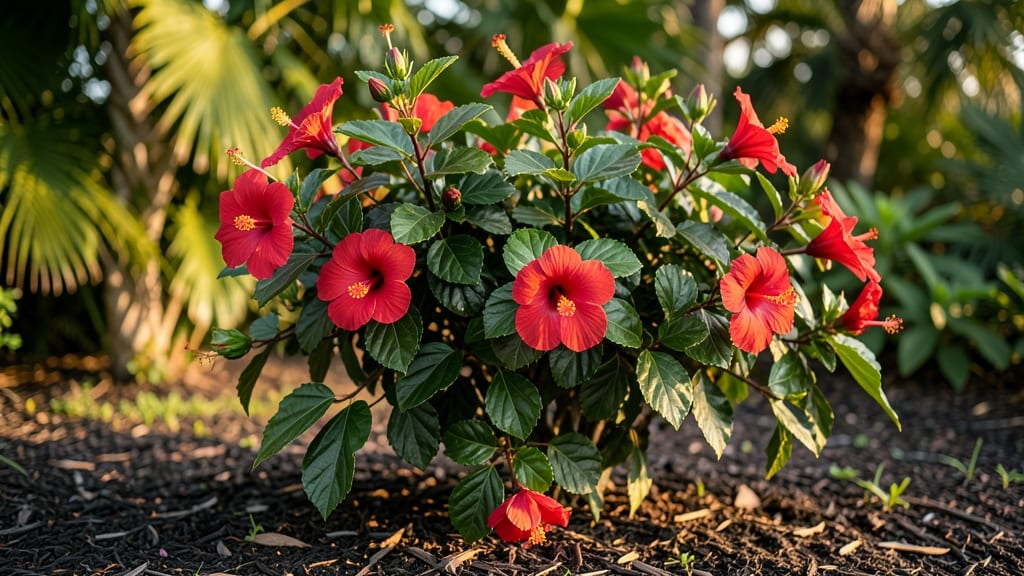
Hibiscus bloom in Florida from late spring through fall, but the exact timing depends on your heat zone and whether you’re growing tropical or hardy varieties 🌸.
If you’ve ever wondered why your Florida hibiscus flowers seem to vanish for months—only to explode in vibrant blooms—timing is everything. The Sunshine State’s unique heat zones and tropical varieties create a precise bloom calendar that gardeners must master to enjoy year-round color.
In South Florida’s 9a-11 zones, tropical hibiscus can flower almost year-round, while hardy types in North Florida typically bloom from May to October. Coastal areas may see earlier blooms due to milder winters, while inland regions might experience slight delays.
Below, I break down the exact months for each variety, plus care tips to extend your hibiscus’ flowering season—so you can enjoy those stunning blooms for as long as possible.
Florida hibiscus bloom seasons by variety: tropical vs. hardy types
Florida's hibiscus varieties thrive under different conditions, creating a stunning display of blooms year-round in some areas while others follow seasonal patterns.
The key difference lies between tropical hibiscus (like Hibiscus rosa-sinensis) and hardy hibiscus (such as Hibiscus moscheutos), each responding to Florida's unique heat zones 8A-11 in distinct ways.
In South Florida (zones 10-11), tropical hibiscus burst into bloom from spring through fall, often continuing sporadically in winter if temperatures stay above 60°F.
Meanwhile, North Florida (zones 8A-9) hardy hibiscus typically bloom from late spring to early fall, entering dormancy when nighttime temps dip below 50°F.
🌸 Tropical Hibiscus (e.g., Dwarf Red, Pink Giant) love Florida's warmth and can flower year-round in ideal conditions. Their peak blooming occurs from April to October, with occasional winter blooms in zone 11. In contrast, hardy hibiscus (like Southern Belle) focus their energy on one intense bloom season from June to September.
The temperature threshold of 60°F acts as a natural switch for tropical hibiscus. When nighttime temps drop below this in South Florida, blooming slows dramatically—though some varieties like Hawaiian Sunset may still produce sporadic flowers.
For hardy hibiscus, the 50°F mark triggers dormancy, causing leaves to yellow and drop as the plant conserves energy for next year's blooms.
In Central Florida (zone 9A), you'll find a fascinating blend of both types. Tropical hibiscus may bloom year-round with reduced intensity during winter, while hardy varieties like Lord Baltimore produce their showstopping summer blooms from June to August.
This overlap creates a continuous flowering season from April to November with proper care.
For gardeners in North Florida (zone 8A), hardy hibiscus are the star performers. These varieties enter a winter rest period from November to March, with no blooms and minimal foliage.
However, their rebloom in early spring is spectacular, often peaking in May and June before the summer heat arrives.
To maximize blooms, prune tropical hibiscus lightly after their winter slowdown (around February) to encourage new growth.
For hardy varieties, prune in late winter (just before new growth begins) to remove dead wood and shape the plant for the upcoming bloom season. Deadheading spent blooms year-round will also extend flowering periods for both types.
One common misconception is that hibiscus need constant watering to bloom. While they do love moisture, overwatering in Florida's humidity can actually reduce blooms by stressing the plant. Aim for deep watering 2-3 times per week in summer and reduce to weekly in cooler months.
A well-draining soil mix with organic matter is key to maintaining healthy roots and vibrant blooms.
Sunlight is another critical factor—6+ hours of direct sun is non-negotiable for hibiscus blooming. In North Florida, where summer afternoons can be intense, afternoon shade may help protect leaves while still allowing morning sun for optimal blooming.
Meanwhile, South Florida's coastal areas benefit from sea breezes that keep plants thriving year-round.
🌿 Whether you're in Miami's tropical paradise or Gainesville's seasonal climate, understanding your hibiscus type and local heat zone will help you create a year-round bloom spectacle.
With the right variety and care, you can enjoy vibrant hibiscus flowers from spring to fall—and even through winter in the warmest zones!
How to extend hibiscus blooming in Florida: pruning & care tips
Florida's hibiscus plants can produce stunning blooms year-round with the right care, but many gardeners miss the mark on timing and techniques. The key to maximizing bloom duration lies in understanding your hibiscus variety and adapting care routines to Florida's humid climate and seasonal shifts.
Whether you're growing tropical hibiscus in Miami or hardy varieties in Orlando, these proven strategies will keep your plants flowering longer than ever.
First, let's tackle the most critical factor: deadheading. This simple task removes spent blooms and signals the plant to produce new flowers. For tropical hibiscus, I deadhead daily during peak bloom seasons (spring through fall), while hardy varieties benefit from a slightly less aggressive approach.
The difference in timing can mean the difference between weeks of continuous blooms and sporadic flowering.
-
1. Deadhead Daily
Remove spent blooms immediately to encourage new growth. Use clean pruners to avoid disease. -
2. Fertilize Right
Use 7-9-5 NPK in spring/fall. Avoid high-nitrogen fertilizers that promote leafy growth over flowers. -
3. Prune Strategically
Prune hardy hibiscus after first frost threat (even in Florida's cooler zones). Cut back 1/3 of growth to stimulate new blooms. -
4. Adjust Watering
Water deeply morning only in summer. Reduce to weekly in winter for hardy varieties to prevent root rot. -
5. Protect in Winter
Mulch hardy hibiscus with 3-4 inches of organic mulch. Cover with frost cloth if temps drop below 40°F (rare in most of Florida).
For fertilizer choices, I recommend a balanced formula like 7-9-5 NPK during active growing seasons (spring and fall). The slightly higher phosphorus content encourages blooming, while the balanced nitrogen prevents excessive leaf growth at the expense of flowers.
In summer, switch to a low-nitrogen fertilizer to maintain blooms without promoting rapid, heat-stressed growth that can reduce flowering.
Watering requires special attention in Florida's variable rainfall patterns. During the wet season (June-October), I reduce watering to prevent fungal diseases like powdery mildew.
In contrast, during dry season (November-May), I ensure hibiscus receive 1-2 gallons of water per week, delivered deeply at the base of the plant. The key is consistency—hibiscus hate soggy roots but also can't tolerate drought stress, which both reduce flowering.
Finally, don't overlook the importance of winter care for hardy hibiscus varieties.
While tropical hibiscus thrive year-round in South Florida, hardy types in North Florida need protection when temperatures dip below 40°F. I've found that wrapping plants in burlap or frost cloth and adding a thick layer of mulch can make all the difference.
This simple protection allows hardy hibiscus to rebloom vigorously in spring rather than struggling to recover from cold damage.
With these techniques, you can enjoy continuous hibiscus blooms for months longer than typical. The secret is paying attention to your plant's signals and adjusting care routines to match Florida's ever-changing seasons. Happy gardening! 🌿