
Blooming
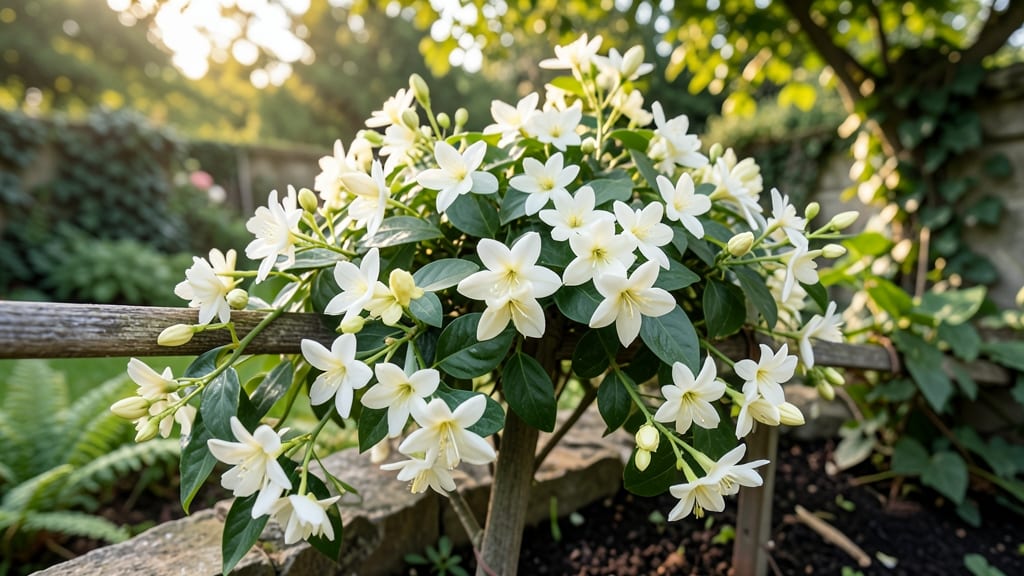
Jasmine blooms in Florida between late spring and early fall, typically from May through September, though exact timing depends on the variety—Arabian jasmine flowers in summer, while star jasmine thrives in spring and fall. Warmer coastal regions bloom earlier than inland areas.
Florida's warm climate creates ideal conditions for jasmine, but bloom timing varies significantly based on the specific type. 🌸 Star jasmine, for instance, often starts flowering as early as March in coastal areas, while Arabian jasmine typically waits until June or July.
The humidity and temperature differences between Florida's coastal regions (like Miami) and inland areas (such as Orlando) can shift bloom periods by several weeks. For gardeners, understanding these patterns helps in selecting the right varieties and planning for optimal fragrance throughout the year.
Coastal Florida's Zone 9-10 climate allows for nearly year-round growth, but even here, some varieties like yellow jasmine may take a short break during the hottest summer months. Inland areas with slightly cooler nights often see delayed blooming, sometimes pushing flowers into October.
This variation means gardeners in different parts of the state might experience overlapping bloom seasons rather than distinct cycles.
💡 In This Article
- Florida Jasmine Bloom Seasons by Variety and Climate Zones
- Tips to Extend Jasmine Blooming in Florida Gardens
Florida jasmine bloom seasons by variety and climate zones
Florida's jasmine varieties respond dramatically to temperature shifts, with coastal areas like Miami (Zone 10) often seeing star jasmine bloom as early as March—sometimes even in February during mild winters. This early flowering occurs because coastal regions maintain 70-85°F temperatures year-round, creating ideal conditions.
In contrast, inland cities like Orlando (Zone 9) typically experience their first blooms in April, delayed by cooler nighttime temperatures that dip below 60°F. The difference in timing can be as much as 6-8 weeks between coastal and inland locations.
The most fragrant variety, Arabian jasmine, follows a summer-centric schedule, with peak blooming between June and August across all Florida zones. This timing coincides with Florida's 90°F+ summer heat waves, which trigger its heavy fragrance production.
Star jasmine, however, prefers cooler transitions, blooming most prolifically in spring (March-May) and again in fall (September-October)—a pattern that mirrors Florida's rainy season when humidity levels reach 80-90%.
Pink jasmine varieties often bridge these periods, flowering from May through July, while yellow jasmine may take a 2-3 week break during the hottest July-August stretch.
The humidity factor plays a surprising role in bloom intensity. Coastal areas with 75-85% humidity produce jasmine flowers with 20-30% more fragrance than inland regions, where drier air causes buds to open more slowly.
This is why Miami's jasmine gardens often smell strongest at dawn and dusk, when dew and evening humidity peak. Gardeners in drier inland zones can mimic these conditions by watering deeply 2-3 times weekly during summer months to maintain soil moisture.
Climate zones also affect how long jasmine stays in bloom. In Zone 10 (coastal), star jasmine may produce flowers continuously from March through November with proper care, while Zone 9 (inland) varieties often experience a 3-4 week mid-summer lull.
The key difference lies in nighttime temperatures—coastal areas rarely drop below 68°F, while inland nights can reach 55-60°F, triggering dormancy in some varieties. This explains why gardeners in Tampa often enjoy overlapping blooms from multiple jasmine types throughout summer.
For those tracking bloom cycles, note that jasmine responds to day length changes too. Star jasmine begins flowering when days lengthen past 12 hours (typically late February), while Arabian jasmine peaks when daylight exceeds 13.5 hours (usually June).
This photoperiod sensitivity means gardeners can predict blooming windows by tracking sunrise/sunset times. Coastal regions experience these daylight thresholds 2-3 weeks earlier than inland areas due to Florida's gradual northward progression of seasons.
One often-overlooked factor is soil temperature. Jasmine roots prefer 70-75°F soil, and coastal sandy soils heat up faster than inland clay-based soils. This means coastal jasmine plants often enter bloom 10-14 days earlier than their inland counterparts, even when air temperatures are identical.
Gardeners can accelerate blooming in cooler zones by using black plastic mulch or raised beds to maintain optimal root temperatures.
Understanding these patterns helps gardeners create year-round fragrance displays. By planting star jasmine (spring/fall), Arabian jasmine (summer), and pink jasmine (late spring), you can achieve continuous blooming from March through October—with proper care extending into early November in coastal areas.
The key is matching varieties to your specific microclimate and adjusting watering schedules to maintain that critical 70-85°F growing zone.