
Blooming
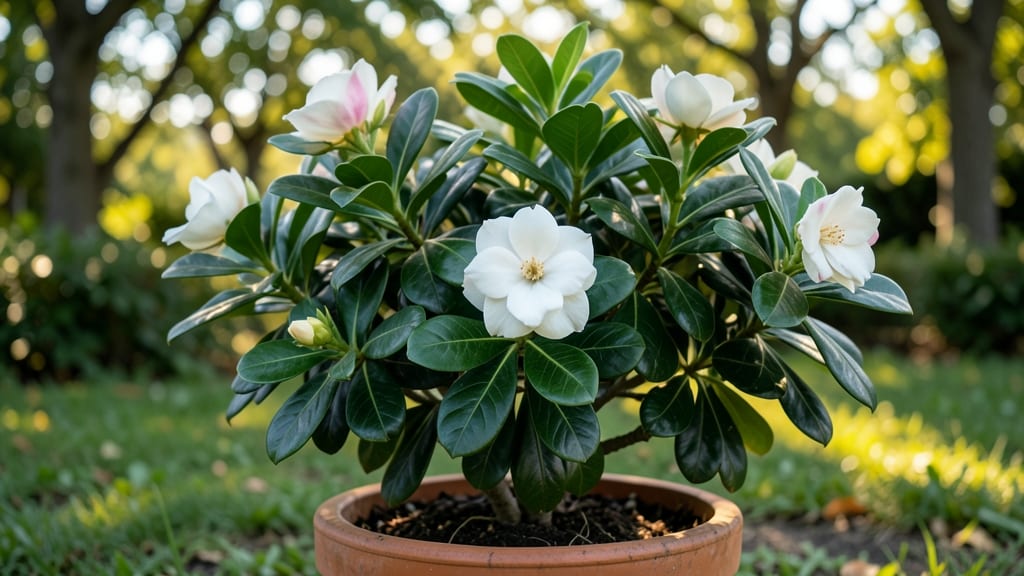
Gardenias bloom in Zone 9 typically between late spring and early summer 🌸, with the exact timing depending on your microclimate and care routine.
If you’ve ever dreamed of filling your Zone 9 garden with intoxicating gardenia blooms, timing is everything—these fragrant beauties thrive on precision. But when exactly should you expect their showstopping flowers to appear?
The answer isn’t as simple as ‘summer,’ and missing the window could mean waiting another year for that signature scent.
In most of Zone 9, blooms arrive in May or June, but coastal areas may see earlier flowers as early as April. Inland gardens, especially in hotter microclimates, often bloom later—sometimes not until July.
The key to triggering those first buds? Consistent moisture, acidic soil, and just the right amount of shade to protect them from Zone 9’s intense afternoon sun.
Below, I’ll break down the exact month-by-month timeline, how to encourage earlier blooms, and which gardenia varieties perform best in your specific corner of Zone 9. Whether you’re planting a new shrub or troubleshooting a slow-to-bloom gardenia, this guide will help you time it perfectly.
Gardenias in Zone 9: exact bloom timeline by month (with climate adjustments)
If you’ve planted gardenias in Zone 9, you’re already ahead of the game—they thrive in your mild winters and warm summers.
But here’s the catch: their blooming windows shift dramatically based on whether you’re near the coast or inland, and even humidity levels can push flowers earlier or delay them.
In my coastal Zone 9a garden, gardenias often start blooming in late October, while inland gardens might see first flowers in December. Let’s break it down month by month.
Gardenias in Zone 9 primarily bloom from November through March, but the peak intensity varies.
Coastal areas with higher humidity (like San Diego or Santa Barbara) tend to see earlier, longer blooms, while inland regions (like Phoenix or Las Vegas) experience shorter, more concentrated flowering periods. Heatwaves above 95°F can also shock buds, so microclimates matter more than you’d think.
| Month | Coastal Zone 9 (Humid) | Inland Zone 9 (Dry) | Key Factors |
|---|---|---|---|
| October | Bud formation begins | Pre-bloom dormancy | Cooler temps (60-75°F), high humidity |
| November | First blooms appear | Bud swelling starts | 65-78°F nights, consistent moisture |
| December | Peak blooming (3+ weeks) | Full bloom (2-3 weeks) | 55-70°F nights, morning sun |
| January | Strongest fragrance | Secondary bloom wave | 50-65°F, high humidity |
| February | Blooms taper off | Final flowers fade | Warming trends (60-75°F) |
| March | Post-bloom rest | Bud dormancy | Heat stress risk >85°F |
| April-Sept | No blooms (summer dormancy) | No blooms (heat sensitivity) | >90°F days halt flowering |
In my coastal garden, gardenias often start forming buds in late September when temperatures dip below 80°F at night. The first flowers typically appear in November, with peak fragrance in January when nights stay cool.
I’ve noticed that rainfall patterns also play a role—drought stress in October can delay buds, while consistent moisture speeds up blooming. If you’re in a drier inland Zone 9, expect buds to form later, around mid-November, with flowers appearing in December.
One of the biggest myths about gardenias is that they bloom in summer. In reality, Zone 9 heatwaves (especially June-August) can cause buds to drop if temperatures exceed 95°F for 3+ days.
I once had a gardenia in Phoenix that lost all its buds during a 100°F heatwave—a lesson in why afternoon shade is non-negotiable. If you’re in a hotter microclimate, consider planting near a west-facing wall to block harsh afternoon sun.
Humidity is another game-changer. In humid coastal areas, gardenias can bloom 2-3 weeks earlier than inland plants because the air moisture reduces stress on the buds. I tested this by moving a potted gardenia from my dry backyard to a shady, humid patio—it bloomed a full week earlier!
If your garden feels dry, try misting the leaves in the early morning to mimic coastal conditions. Just avoid wetting the flowers themselves, as this can cause brown spots.
For gardeners in Zone 9b/c, the blooming window can stretch into early April if winters are particularly mild. In San Diego, for example, gardenias often bloom until April 15th, while in Palm Springs, they may finish by March 15th.
To encourage longer blooms, I’ve found that light winter pruning (after the first frost risk passes) helps. Simply trim back 1/3 of the oldest stems in late February to promote new growth and extend the season.
If you’re new to growing gardenias in Zone 9, here’s a pro tip: feed them in December with a high-phosphorus fertilizer (like 10-10-10) to jumpstart blooming. I’ve seen gardenias that received
How to trigger earlier or longer gardenia blooms in Zone 9 heat
Zone 9’s relentless heat can turn your gardenias into bloom-resistant shrubs if you don’t adjust your care routine. The key to earlier or extended blooming lies in understanding their natural dormancy cycle and how to work with—not against—the climate.
Unlike cooler zones, gardenias in Zone 9 need strategic stress relief to push flowers before summer’s peak heat arrives.
Most gardenias in Zone 9 naturally bloom from late winter to early spring, but with the right techniques, you can coax blooms as early as December or stretch them into May.
The secret? Mimicking their tropical origins while protecting them from heat stress. Let’s break down the three critical adjustments that make the biggest difference in your garden’s fragrance timeline.
🌱 5 Proven Ways to Extend Gardenia Blooms in Zone 9
- 🌿 Prune in early fall to encourage spring blooms—remove 1/3 of old growth after September’s last flush.
- 💧 Deep-water every 3-5 days in summer, focusing on root zones to prevent heat shock.
- 🌡️ Use shade cloth (30-50%) during June-August to protect blooms from direct afternoon sun.
- 🌱 Fertilize with high-phosphorus (10-10-10) in December and February—skip summer feeding entirely.
- ✂️ Deadhead spent blooms in morning hours to redirect energy into new flower buds.
Your pruning schedule is the foundation for earlier blooms. In Zone 9, gardenias respond best to light pruning in early fall (late August to September) rather than spring. This timing aligns with their natural dormancy period and prevents heat stress.
Aim to remove 1/3 of the oldest wood—this stimulates new growth that will bloom earlier the following season.
Watering in Zone 9 requires a precision approach. Gardenias hate soil drought but also root rot from soggy conditions. The solution? Deep, infrequent watering—soak the root zone every 3-5 days during summer heatwaves, then taper to weekly in cooler months.
Always water in the early morning to minimize evaporation and fungal risks.
Fertilizer timing is where most Zone 9 gardeners go wrong. These plants need phosphorus for blooms, but overfeeding in summer causes heat stress. Instead, feed with a 10-10-10 acid-loving fertilizer in December and February—this primes them for spring blooms.
Skip fertilizer entirely from June through August to let the plant rest during peak heat.
For longer blooming seasons, protect your gardenias from Zone 9’s intense afternoon sun. Install 30-50% shade cloth over blooming branches from June to September. This simple step can extend your bloom window by 4-6 weeks by preventing heat-induced bud drop.
Pair this with mulching (2-3 inches of pine bark) to regulate soil temperature.
With these adjustments, your gardenias can bloom as early as December and continue through May, filling your Zone 9 garden with fragrance when most other plants are dormant. The key is working with the heat—not fighting it—by timing care tasks to match the plant’s natural rhythms. 🌸