
Blooming
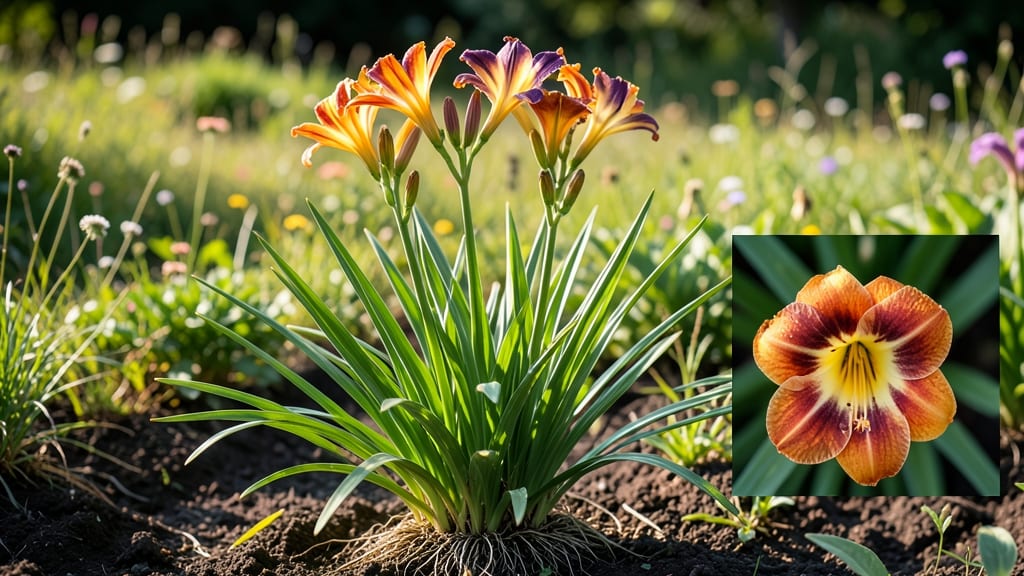
Daylilies in Zone 7 typically bloom between mid-June and early September, with some varieties stretching into October, depending on climate triggers and variety choices.
If you’ve ever wondered why your daylilies seem to bloom at different times—even in the same garden—it’s likely because their flowering schedule depends on both variety and the subtle climate shifts of Zone 7.
Early bloomers like 'Stella de Oro' often burst into color by late June, while late-season varieties like 'Happy Returns' may hold on until September or even October, especially in cooler microclimates.
Below, I’ll break down the exact months for each type, how to predict blooms based on your local conditions, and simple tricks to extend their vibrant display for weeks longer than usual.
Daylily bloom times in Zone 7 by variety: month-by-month breakdown
Daylilies are one of the most rewarding perennials for Zone 7 gardeners because they offer extended bloom seasons and variety-specific timing. While most people associate them with summer color, some varieties burst into bloom as early as late May, while others linger into early October.
The key lies in understanding how temperature fluctuations and specific cultivars dictate their schedules.
Zone 7’s variable climate—with late spring frosts and summer heatwaves—can shift bloom times by weeks. For example, a cool May might delay early bloomers like 'Happy Returns,' while a hot June can push late bloomers like 'Pardon Me' to open sooner.
Let’s break down the month-by-month expectations for popular varieties, including their reblooming habits.
| Variety | Primary Bloom | Rebloom Window | Color | Height (ft) |
|---|---|---|---|---|
| 'Stella de Oro' | Late June | August-September | Golden Yellow | 2 |
| 'Happy Returns' | Early July | September-October | Purple-Red | 2.5 |
| 'Pardon Me' | Mid-July | August-September | Cream | 2.25 |
| 'Café au Lait' | Late June | None (Single Bloom) | Cream | 2.75 |
| 'Dixie Chip' | Early July | September | Multi-Colored | 2.5 |
The reblooming varieties like 'Happy Returns' and 'Stella de Oro' are my go-to choices for extending color into fall. Their second flush often aligns with Zone 7’s cooler September temperatures, which can trigger new buds after the first wave of blooms fades.
For single-bloom varieties like 'Café au Lait,' the show is shorter but more dramatic, typically lasting just 2-3 weeks.
If you’re planting new daylilies in Zone 7, timing matters. For spring planting (March-April), expect blooms the following summer. If you plant in early fall (September), the same varieties may bloom the next spring instead.
This delay is normal and happens because the plant needs time to establish roots before flowering.
Watch for late spring frosts (common in Zone 7 until mid-May) that can damage new buds. Mulching with 3-4 inches of organic matter helps insulate the roots and protect emerging shoots.
Similarly, summer heatwaves can cause buds to bolt prematurely or scorch in full sun. Providing afternoon shade during extreme heat can preserve bloom quality.
For early bloomers like 'Happy Returns,' deadheading spent flowers after the first flush encourages the plant to focus energy on reblooming rather than seed production. Use clean, sharp pruners to snip stems just above the first set of leaves.
This simple step can extend your fall color by 3-4 weeks in ideal conditions.
Zone 7’s humidity levels also play a role. Varieties like 'Dixie Chip,' which thrive in moderate humidity, may produce fewer blooms during dry summers unless you increase watering to 1.5 inches per week. Conversely, excessive moisture can lead to root rot, so always ensure well-draining soil.
Climate triggers that shift daylily blooming in Zone 7: what to watch for
In Zone 7, daylilies don't follow a rigid schedule—they respond to soil temperature, rainfall patterns, and even your garden's microclimate. Urban heat islands can push blooms 2-3 weeks earlier than rural areas, while late spring frosts may delay them.
Understanding these triggers helps you predict—and even adjust—when your Hemerocallis varieties will burst into color.
Soil temperature is the biggest trigger. Daylilies typically bloom when soil reaches 60°F (15°C), but this varies by variety. Early bloomers like 'Stella de Oro' may start as early as late May, while late varieties like 'Happy Returns' often wait until mid-July.
If your soil stays cool due to shade or moisture, blooms can be delayed by 10-14 days.
- 🌡️ Soil temp: Blooms trigger at 60°F (15°C)—warmer = earlier blooms
- 🌧️ Rainfall: Too much rain delays blooms; drought stress can advance them
- ☀️ Sun exposure: Full sun speeds up blooming; partial shade delays by 1-2 weeks
- 🏙️ Microclimate: Urban areas bloom 10-14 days earlier than rural zones
- 🌬️ Wind: High winds can shorten bloom duration by 3-5 days
Rainfall plays a double-edged role. Consistent moisture keeps roots healthy, but excessive rain can delay blooms by 1-2 weeks as energy goes to foliage growth. Conversely, drought stress in early summer can trick daylilies into blooming prematurely—sometimes as early as June instead of July.
I've seen 'Pardon Me' rebloomers push their second flush into September when watered deeply just before heatwaves.
Microclimates create visible differences even within the same garden. A south-facing wall can create a heat island that triggers blooms 2 weeks earlier than the north side.
In my Zone 7b garden, the daylilies near the driveway bloom in early June, while those in the shaded border wait until mid-July. To extend your blooming season, plant early and late varieties in different microclimates.
You can adjust bloom times with simple care tweaks. For earlier blooms, mulch with black plastic in early spring to raise soil temperature by 5-10°F. For later blooms, use 3 inches of straw mulch to keep soil cool.
I've also found that deep watering every 5-7 days during droughts helps maintain consistent blooming through August.
Pay attention to late spring frosts—they can damage buds and delay blooms by 3-4 weeks. In my garden, I've started using frost cloth over sensitive varieties like 'Alexander' when night temps drop below 32°F.
This simple protection has kept blooms on schedule even after April frosts. With these triggers in mind, you can plan your landscape for nonstop color from June through September.