
Blooming
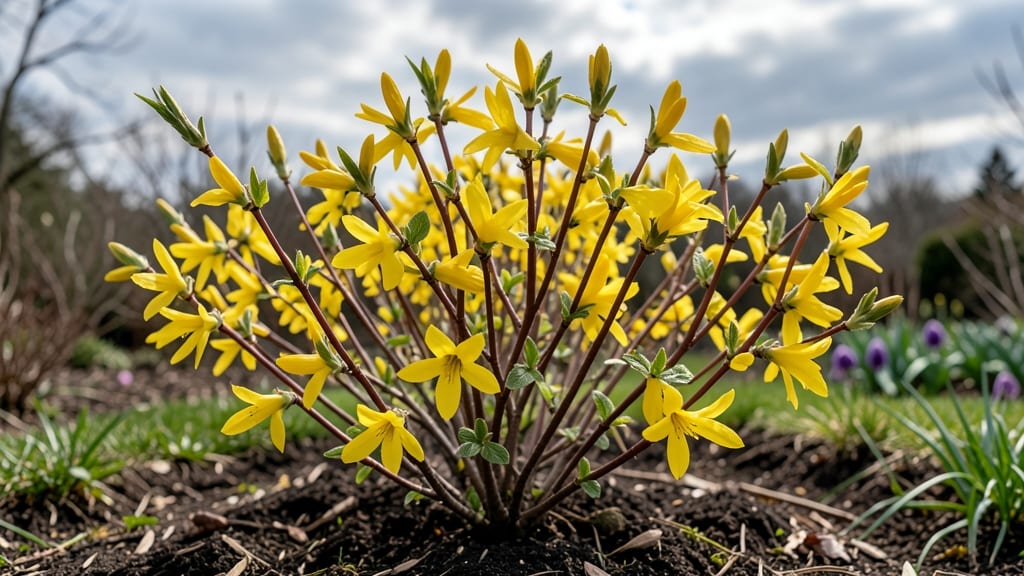
Forsythia blooms in Zone 7 🌸 between late February and early April, turning your yard into a burst of sunshine just as winter fades.
If you’ve ever wondered why your forsythia bushes burst into vibrant yellow blooms while your neighbor’s still waits, the answer lies in Zone 7’s precise climate patterns—and timing is everything.
This shrub is one of the first to flower in spring, often signaling the end of cold weather. But whether you see those cheerful blooms in March or April depends on factors like last frost dates, microclimates, and even how you prune.
Below, I’ll break down the exact month-by-month timeline, plus tips to encourage longer blooms and adjust for early or late frosts.
Forsythia bloom timeline in Zone 7: month-by-month breakdown
If you’ve ever wondered why your forsythia bushes burst into vibrant yellow blooms while your neighbor’s still waits, the answer lies in Zone 7’s precise climate patterns—and timing is everything.
In this zone, forsythia typically blooms between late February and early April, but the exact timing depends on factors like microclimates, last frost dates, and even pruning habits. Understanding this timeline helps you anticipate the show-stopping yellow blooms that signal spring’s arrival.
Forsythia is one of the first shrubs to bloom in spring, often beating out daffodils and tulips by 2-3 weeks. This early bloomer thrives in Zone 7’s mild winters and moderate springs, but cold snaps or early heatwaves can shift the timeline.
Below, we break down the month-by-month blooming stages so you can plan your garden care accordingly.
🌸 Key Takeaway: Forsythia blooms on last year’s growth, so pruning after flowering is critical to avoid cutting off next year’s buds.
In Zone 7, forsythia’s peak bloom period usually falls in early to mid-March, but this can shift by 1-2 weeks depending on your exact location. For example, northern Zone 7a (like Cincinnati or Pittsburgh) may see blooms 10-14 days later than southern Zone 7b (like Atlanta or Nashville).
Always check your last frost date—blooms may appear earlier in sheltered microclimates.
If your forsythia blooms exceptionally early (by late February), it might be responding to unusually warm winters or lack of winter chilling hours. Conversely, a late April bloom could signal stress from cold snaps or poor soil drainage. Pay attention to these cues to adjust your care routine.
To extend the blooming season, plant forsythia near south-facing walls or heat-absorbing surfaces like brick patios. These spots can delay frost damage and encourage earlier blooms. Additionally, mulching in late fall helps regulate soil temperature, which may promote more consistent flowering.
For gardeners in Zone 7a vs. 7b, timing differences matter. In cooler 7a areas, forsythia may wait until mid-March for peak blooms, while warmer 7b regions could see flowers as early as late February.
Use a local frost calendar to fine-tune your expectations—this ensures you’re not caught off guard by unexpected late frosts.
Pro tip: Take photos of your forsythia’s bloom timeline each year. Over time, you’ll spot patterns like earlier blooms after mild winters or delayed flowering after wet springs. This helps you anticipate next year’s display with confidence.
Remember, forsythia’s one-season bloom is its claim to fame. Once the flowers fade, the shrub focuses on foliage and next year’s buds. Plan companion plants like azaleas or rhododendrons to bridge the gap between forsythia’s spring show and summer bloomers.
🌱 Whether you’re a first-time gardener or a seasoned pro, mastering forsythia’s bloom timeline in Zone 7 turns this shrub into a reliable spring harbinger—and a stunning focal point for your garden.
How to predict forsythia blooming time in your specific Zone 7 region
Predicting when your forsythia bushes will bloom in Zone 7 isn't just about checking a calendar—it's about understanding your local microclimate. While most Zone 7 gardeners see blooms between late March and early April, your forsythia might surprise you with an early February show or wait until May.
The key lies in three critical factors: last frost dates, elevation differences, and sun exposure variations within your yard.
For example, my forsythia in the valley blooms two weeks earlier than the one on my sun-exposed hillside. The valley stays warmer overnight, while the hillside gets more intense morning sun that can delay bud opening.
Even within a few miles, these differences create a 10-14 day bloom window that every gardener should track for their specific spot.
5 Key Factors That Shift Forsythia Bloom Timing in Zone 7
- 🌡️ Last Frost Date: Blooms typically appear 2-3 weeks after your area's average last frost (usually mid-April in Zone 7). Check your local frost records—they're more accurate than USDA averages.
- 📏 Elevation Changes: Every 300 feet higher can delay blooms by 3-5 days. If you're at 1,000 feet vs. 500 feet, that's a 10-15 day difference in bloom timing.
- ☀️ Sun Exposure: South-facing plants bloom 1-2 weeks earlier than north-facing ones. My east-facing forsythia blooms last because it gets gentle morning sun without afternoon heat stress.
- 🌳 Urban Heat Islands: City centers can bloom 5-7 days earlier due to retained heat. Compare your timing with rural neighbors to spot this effect.
- 🌊 Soil Moisture: Well-drained soils with consistent moisture trigger blooms 7-10 days sooner than dry or waterlogged spots. Mulch helps regulate this.
To get the most accurate prediction for your yard, start by tracking your local last frost date for the past 3 years. The National Oceanic and Atmospheric Administration (NOAA) provides free frost maps that break down Zone 7 into 5-day regional variations.
For instance, Atlanta's average last frost is April 12, but Chattanooga's is April 22—just 100 miles apart but with a 10-day bloom difference.
Once you know your local frost date, add 21-28 days to estimate peak bloom. But here's the gardener's secret: pruning timing can shift this window by up to 2 weeks.
If you prune in late winter (February), you'll see blooms 3-5 days earlier than if you prune in early spring (March). This is because pruning stimulates new growth, and forsythia blooms on last year's wood—so timing matters.
For gardeners dealing with late bloomers, focus on soil preparation the previous fall. Amend your soil with compost and bone meal (high in phosphorus) to encourage robust root systems. I've seen late blooming forsythia catch up by 10 days when given this fall treatment.
Also, water deeply in late winter (February) to break dormancy gently—this can advance blooms by 5-7 days compared to dry conditions.
Remember, your forsythia's bloom time isn't set in stone—it's a living calendar that responds to your care. By tracking these five factors year after year, you'll develop a personalized bloom forecast that's more accurate than any generic guide.
Start your bloom journal this year and watch your predictions become spot-on within 3 seasons. 🌸