
Blooming
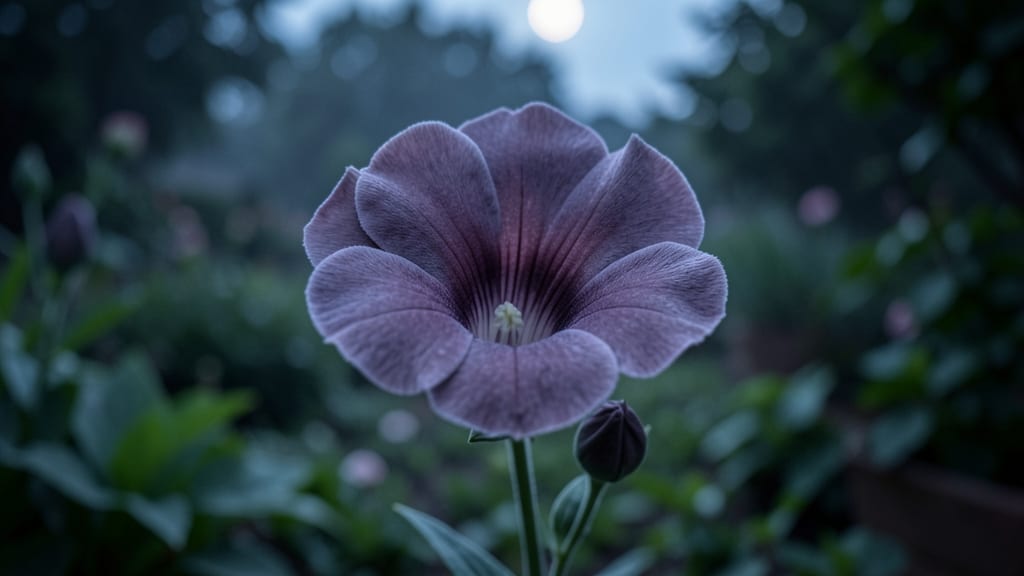
Transform your garden into a magical nighttime sanctuary with these 10 mesmerizing flowers that bloom only under the moonlight. Their delicate beauty and unique nocturnal habits make them perfect for creating enchanting evening landscapes and attracting pollinators after dark.
Moonflower Vine with Fragrant White Blossoms
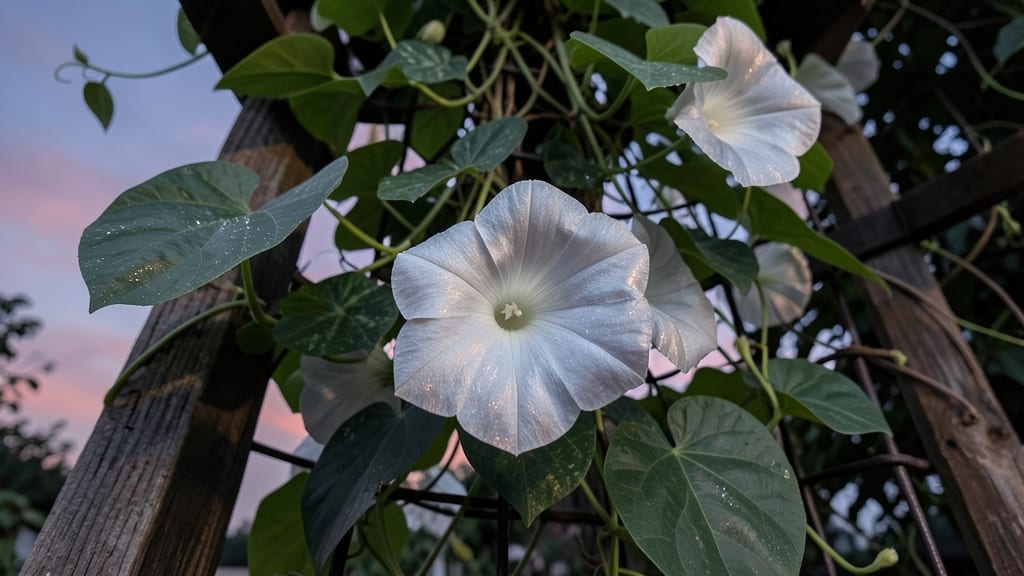
Imagine stepping into your garden as dusk falls and being greeted by the velvety, silver-white blossoms of the moonflower vine—a rare annual that unfurls only after sunset. These fast-growing climbers transform any space into a nocturnal paradise, their intoxicating fragrance drawing you (and moths!) into the evening air.
With large, velvety petals that can reach 6 inches across, moonflowers thrive in full sun and grow rapidly, often climbing 10-15 feet in a single season. Plant them near trellises, arbors, or along fences to create a dramatic vertical display. Their scent peaks at night, making them ideal for romantic garden corners or patios where you can enjoy their magic after dark.
Perfect for beginners and pollinator lovers alike, moonflowers are easy to grow from seed and self-clean after blooming, leaving room for new flowers. Their fleeting beauty ensures you’ll never forget the magic of a moonlit garden. ✨
Night-Blooming Cereus Cactus Flowers
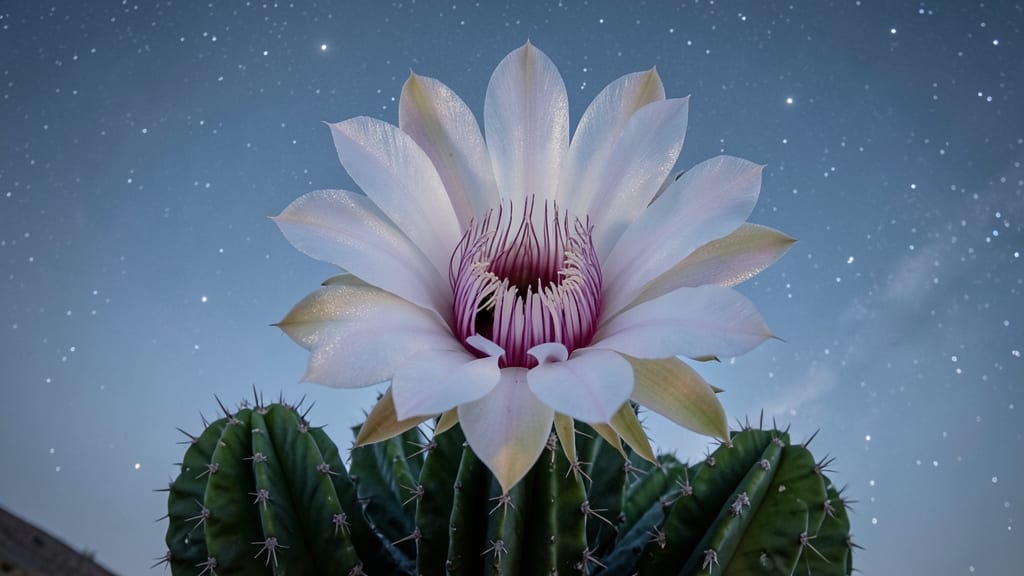
Imagine a cactus that transforms from spiky green pads into a dramatic tropical spectacle after dark—this is the night-blooming cereus, a desert plant with a secret nighttime personality. Unlike its daytime counterparts, this cactus unfurls giant, waxy blooms (up to 12 inches wide) that last just one magical evening, creating a fleeting but unforgettable focal point in your garden.
Perfect for container gardens in warm climates (USDA zones 9-11), this low-maintenance plant thrives with bright sunlight and well-draining soil. Water sparingly—once established, it stores moisture in its pads—and fertilize lightly in spring to encourage blooming. The pink, white, or red flowers open in late spring or summer, often triggered by temperature shifts, making them a low-effort, high-reward choice for gardeners who love drama without the upkeep.
Urban gardeners and small-space enthusiasts will appreciate how this cactus fits into patio pots or rooftop gardens, while its short-lived blooms make it ideal for special occasions or creating temporary "moonlit" displays. Just be prepared for neighbors to gather when it blooms—its intense fragrance and striking appearance turn evenings into a show. ✨
Queen of the Night Tulip
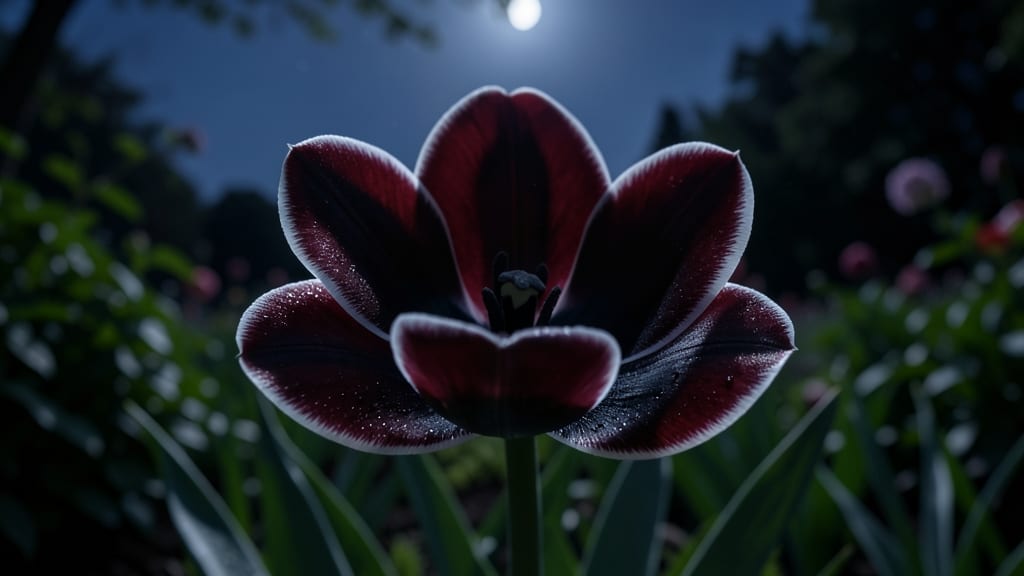
Imagine a flower so rare and fleeting that gardeners plan entire events around its single-night bloom—that’s the Queen of the Night Tulip. This legendary tulip (Tulipa gesneriana 'Queen of the Night') unfurls its deep maroon-black petals with white edges only once a year, typically in late spring, and remains open for just 24 hours.
To coax this showstopper into bloom, plant bulbs in well-draining soil with full sun exposure and protect them from frost. The flower’s intoxicating fragrance—often compared to jasmine—draws nighttime pollinators like moths, making it a star for evening garden parties. However, its ephemeral nature means you’ll need to act fast: once the bloom fades, it’s gone until next season.
Perfect for collectors and event planners, this tulip thrives in USDA zones 3-8 and adds drama to moon gardens or dark corners where its velvety petals glow under artificial light. 🌻
Evening Primrose with Golden Lanterns
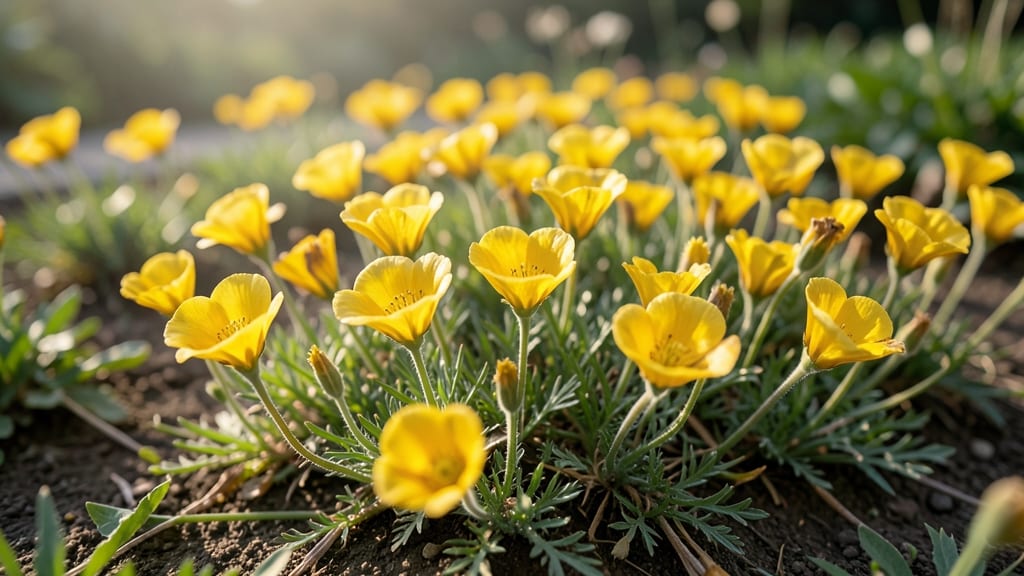
If you want a low-maintenance flower that brightens up your garden without demanding perfect soil or constant attention, evening primrose is your answer. Unlike its night-blooming cousins, this cheerful perennial unfurls golden-yellow "lanterns" in the late afternoon, creating a sunlit spectacle that lasts until evening.
Native to North America, evening primrose thrives in full sun and poor soils, making it ideal for wildflower meadows, prairie-style gardens, or even neglected corners. Its self-seeding habit ensures your garden stays populated year after year, while its nectar-rich blooms attract bees, butterflies, and hummingbirds during their active hours. Plant it in masses for a golden carpet effect or let it naturalize for effortless beauty.
Perfect for beginner gardeners and eco-conscious landscapers, this hardy plant requires almost no care beyond occasional deadheading to encourage more blooms. It’s the secret weapon for adding year-round color with minimal effort. 🌻
Angel's Trumpet with Moonlit Fragrance
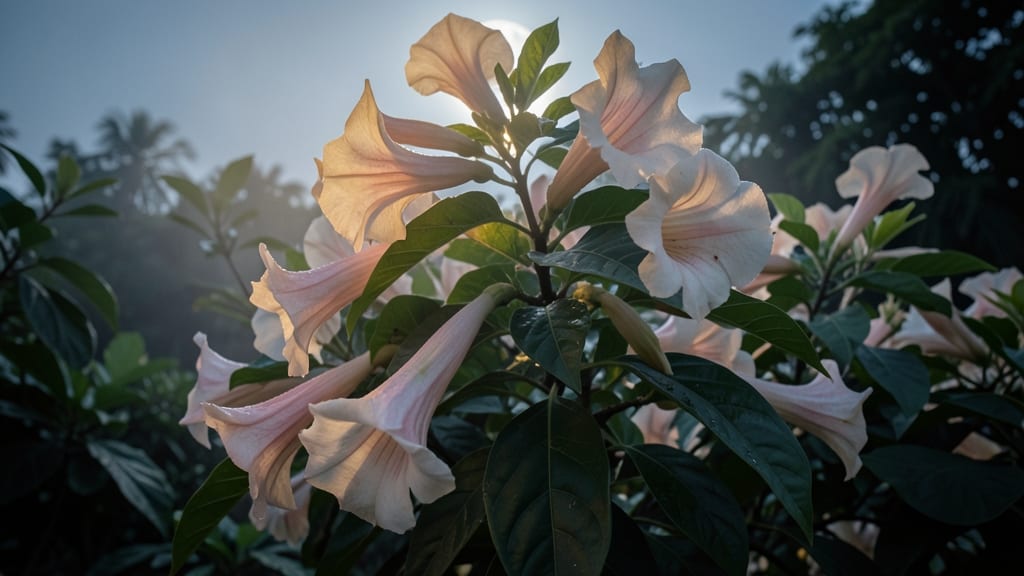
Imagine strolling through your garden at dusk, enveloped in a cloud of jasmine-like perfume—that’s the magic of Angel’s Trumpet (Brugmansia). This tropical shrub isn’t just visually stunning with its trumpet-shaped blooms, but its intoxicating nighttime fragrance transforms any space into a moonlit sanctuary.
To grow this showstopper, plant it in well-draining soil with partial shade (mornings sun, afternoons shade) to protect the delicate blooms. In cooler climates, mulch heavily and wrap the base in burlap during winter—its glossy, year-round foliage makes the effort worthwhile. Prune lightly after blooming to encourage bushier growth, and watch as hummingbirds and moths flock to its nectar-rich flowers.
Perfect for gardeners who love dramatic foliage and fragrance, Angel’s Trumpet thrives in containers or as a focal point along pathways. Just be cautious—its milky sap can irritate skin, so wear gloves when handling. 🌻
Four O'Clock Flower Varieties
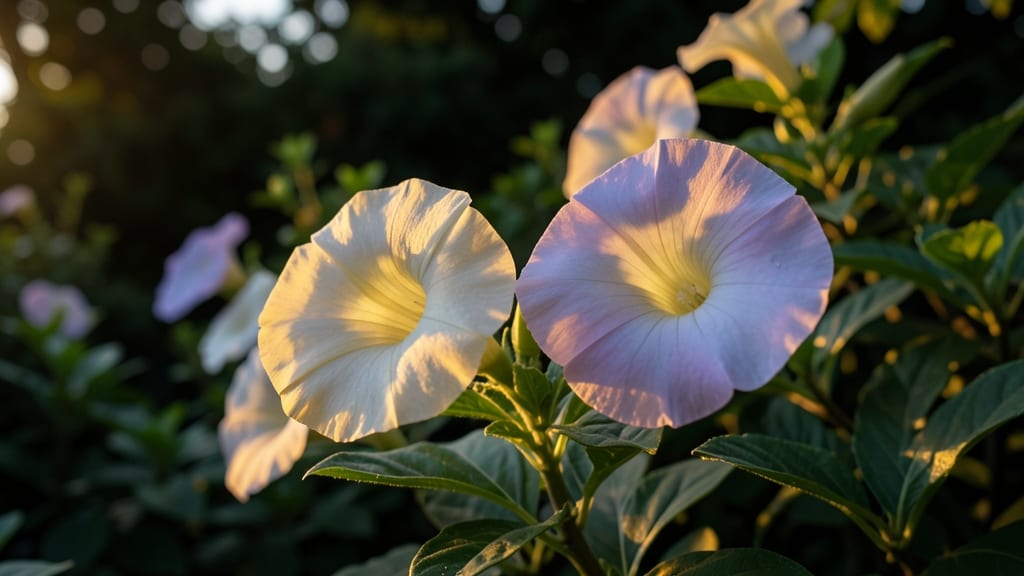
If you've ever wanted a garden that wakes up with the golden hour and stays vibrant until twilight, four o'clock flowers are your perfect match. These charming bloomers earned their name by unfurling their trumpet-shaped petals precisely at 4 PM, but their show continues well into the evening—making them ideal for attracting hummingbirds during those magical crepuscular hours.
With over 300 varieties to choose from, you can mix colors like white, pink, yellow, and deep purple for a cottage garden that feels alive at dusk. They thrive in well-drained soil and full sun, making them low-maintenance stars for borders, containers, or even hanging baskets. Bonus: Their velvety petals often glisten with morning dew, adding extra texture to your garden.
Perfect for gardeners who love easy-care perennials with a timeless appeal, these flowers bring both color and pollinators to your space without fuss. 🌻
Night-Blooming Jasmine Climber
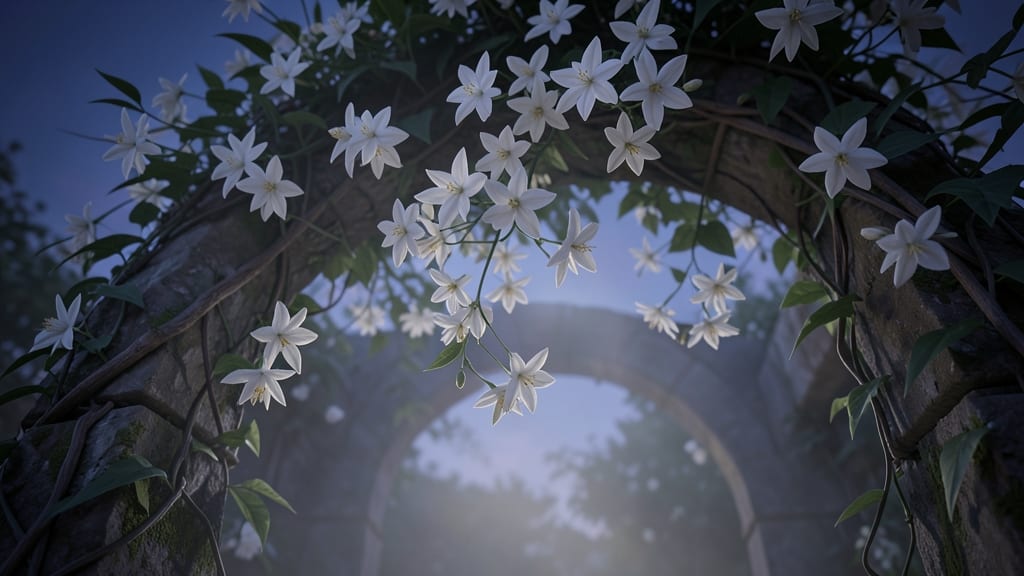
Imagine stepping into your garden after sunset and being greeted by a fragrant cloud of star-shaped white blooms that only reveal themselves under the moonlight. Night-blooming jasmine (Jasminum nocturnum) is the ultimate secret gardener's treasure, offering a romantic, intoxicating scent that peaks between 8 PM and midnight.
This evergreen vine thrives in USDA zones 9-11 but can be grown as an annual in cooler climates. Its glossy, dark green leaves provide year-round interest, while the small white flowers (each with 5-7 delicate petals) create a magical display when illuminated by moonlight or soft outdoor lighting. For best results, plant it near trellises, arbors, or along fences where it can climb and create fragrant pathways. Prune lightly after blooming to encourage bushier growth.
Perfect for urban gardeners with limited space, night-blooming jasmine also excels in containers, making it ideal for balconies and patios. The scent attracts night-flying pollinators like moths while repelling mosquitoes—nature's own evening ambiance enhancer. 🌿
Desert Evening Primrose
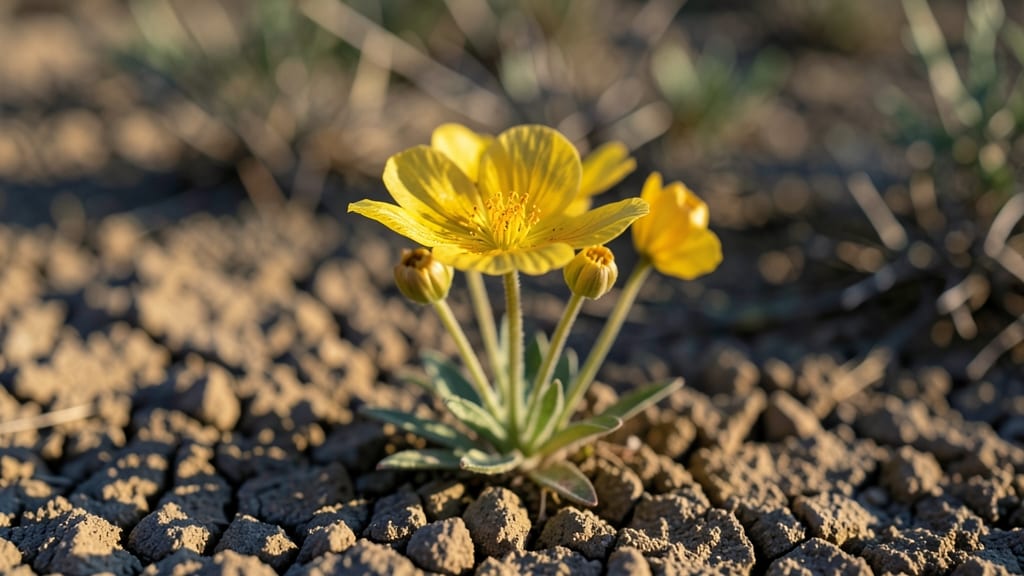
If you're looking for a drought-tolerant wildflower that thrives in hot, dry climates while still adding vibrant color to your garden, the desert evening primrose (Oenothera berlandieri) is your perfect match. Unlike its evening-blooming cousins, this hardy perennial opens its delicate yellow blooms in late afternoon, making it ideal for arid landscapes where water conservation is key.
This native desert beauty requires minimal care—just full sun exposure and well-draining soil—and will reward you with extended blooming seasons from spring through fall. Its self-seeding habit ensures natural propagation, while its pollinator-friendly nature attracts bees and butterflies during daylight hours. For gardeners in USDA zones 4-10, this is a low-maintenance star that brings life to xeric landscapes without the fuss. 🌻
Night-Scented Stock with Moonlight Fragrance
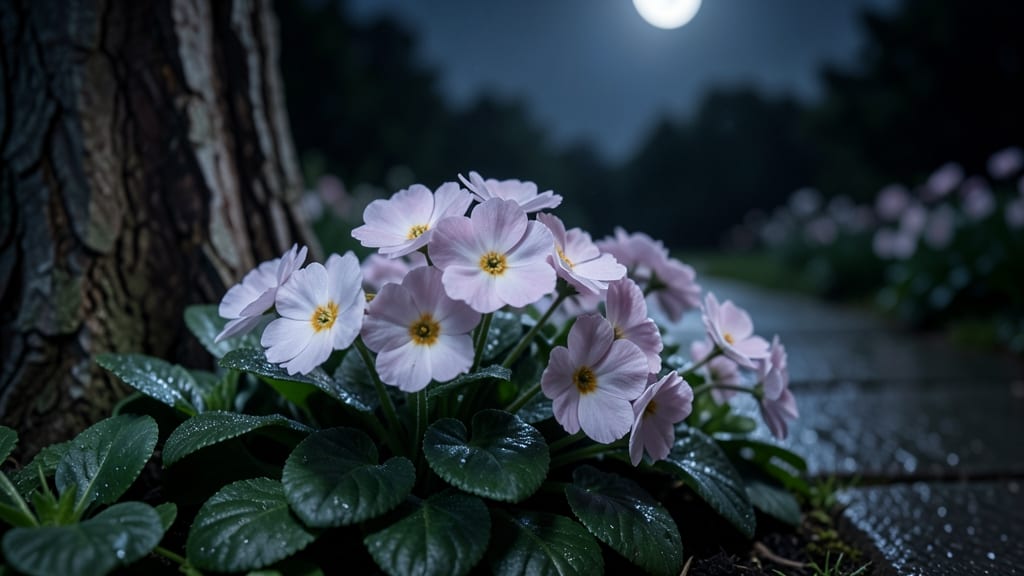
Turn your evening garden into a fragrant haven with night-scented stock, a charming annual that releases its signature clove-like aroma only after sunset. Unlike its daytime cousins, this flower transforms quiet nights into sensory experiences with its sweet, spicy perfume that lingers in the air—perfect for creating intimate outdoor spaces.
This versatile plant thrives in containers, window boxes, and borders, making it ideal for small spaces or urban gardens. Plant in well-draining soil with full sun to partial shade, and enjoy blooms from late spring through fall. Its slender spires of purple, pink, or white flowers also attract moths and other night pollinators, supporting local ecosystems while adding beauty to your garden.
Night-scented stock is especially magical for gardeners who love low-maintenance fragrance and want to extend their blooming season. Pair it with other night-bloomers for a sensory garden that comes alive after dark. 🌿
Moonflower Snapdragon with Velvety Petals

Want to add textural drama to your evening garden without the fuss of fragrant vines? The moonflower snapdragon delivers velvety petals that only unfurl after dark, creating a soft, velvety contrast against moonlight. Unlike its daytime cousins, this variety stays closed until dusk, revealing its deep purple blooms with white centers when night pollinators are most active.
This cool-climate champion thrives in USDA zones 3-9, making it ideal for northern gardens where tropical night bloomers struggle. Plant in well-draining soil with afternoon shade to prevent wilting, and deadhead spent blooms regularly to encourage prolonged summer-to-fall flowering. The vertical spikes reach 2-3 feet tall, perfect for mixed borders or container arrangements.
Gardeners in cool maritime climates will love how this snapdragon variety handles humidity better than traditional types. Pair it with evening primrose for a two-tiered nighttime display that attracts moths while adding textural contrast to your moon garden. 🌻