
Blooming
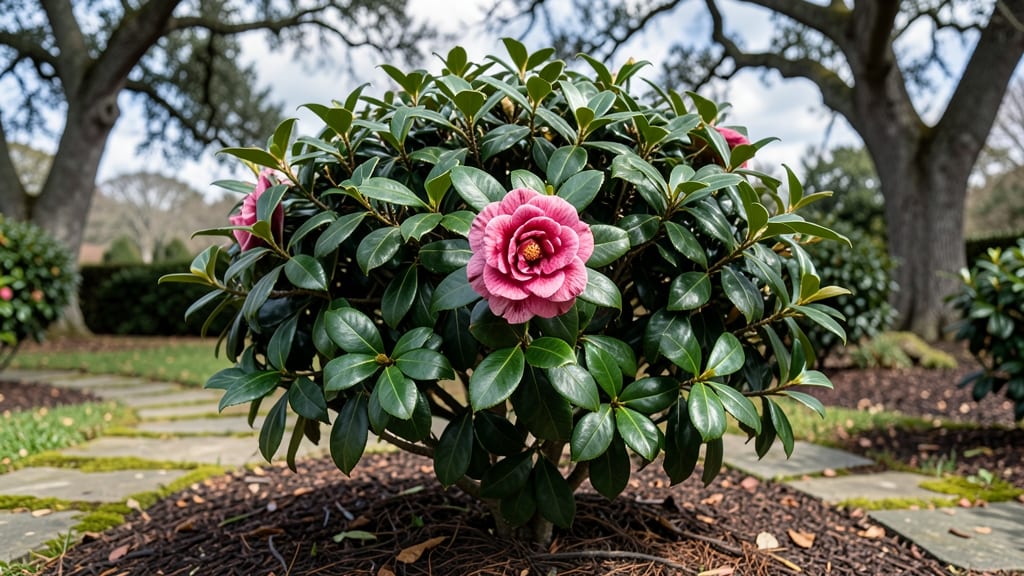
Winter in Florida isn’t just about sunshine and palm trees—it’s also the season when cold-hardy flowers burst into color 🌸, defying the chill with vibrant blooms that most gardens can’t match.
Picture this: your yard in January, when most plants have gone dormant, transformed into a riot of pink, white, and deep red. That’s the magic of Florida’s winter-blooming flowers, which thrive when temperatures dip just enough to wake them up.
From camellias that look like painted silk to winter jasmine with its intoxicating scent, these 12 species are built to handle Florida’s mild freezes while still putting on a show. Whether you’re in the Panhandle or the Keys, the right choices can turn your garden into a winter paradise.
Below, I’ll walk you through the best performers, how to plant them for year-round color, and the top mistakes that keep them from blooming their best—so you can enjoy Florida’s winter garden at its finest.
12 Cold-hardy winter flowers that thrive in Florida’s freeze zones
Florida’s winter season might feel like a slowdown for many plants, but it’s actually the perfect time for cold-hardy flowers to shine. While most gardens fade into dormancy, these 12 frost-resistant bloomers thrive in Florida’s USDA Zones 7-10, offering vibrant color from late fall through early spring.
Whether you’re in North Florida’s chillier microclimates or South Florida’s milder winters, these flowers deliver stunning visuals without requiring constant care.
What makes these flowers special? They’ve evolved to handle Florida’s occasional light freezes (down to 25°F) while still producing bold blooms in shades of pink, purple, white, and red. From evergreen shrubs to delicate annuals, this curated list ensures your garden stays lively even when temperatures drop.
Let’s explore how to incorporate these winter stars into your landscape for year-round interest.
| Flower Name | Bloom Time | Color Palette | USDA Zone | Sun Needs | Height |
|---|---|---|---|---|---|
| Camellia | Nov-Mar | Pink, red, white | 7-10 | Partial shade | 3-10 ft |
| Winter Jasmine | Jan-Mar | Yellow | 7-10 | Full sun | 6-10 ft |
| Snapdragon | Dec-Apr | Purple, white, pink | 7-11 | Full sun | 1-3 ft |
| Pansy | Oct-Apr | Blue, yellow, purple | 7-11 | Partial shade | 6-12 in |
| Dianthus | Dec-Mar | Pink, red, white | 5-10 | Full sun | 6-12 in |
| Ixora | Dec-Apr | Pink, red, white | 10-11 | Full sun | 3-6 ft |
| Lantana | Year-round | Yellow, orange, pink | 9-11 | Full sun | 1-5 ft |
| Salvia | Dec-Apr | Blue, purple | 7-11 | Full sun | 1-4 ft |
| Hellebore | Jan-Mar | White, pink, purple | 4-9 | Partial shade | 1-2 ft |
| Cyclamen | Nov-Mar | Pink, white, purple | 7-10 | Partial shade | 6-10 in |
| Amaryllis | Dec-Feb | Red,
How to choose and plant winter-blooming flowers for Florida’s climateFlorida’s winter climate—mild in the south and cooler in the north—offers a perfect opportunity to grow cold-hardy flowers that thrive when many other plants rest. The key is selecting varieties that match your USDA hardiness zone (7-10) and understanding your region’s microclimates. For example, North Florida’s occasional light frosts call for frost-tolerant species, while South Florida’s gentle winters allow for more tropical choices. Before planting, assess your garden’s sunlight exposure and soil type. Most winter-blooming flowers prefer well-draining soil with a slightly acidic pH (6.0-6.5). Amend heavy clay soils with compost or sand to improve aeration. Morning sun is ideal for many varieties, as it reduces water stress while providing enough light for blooming.
Timing is critical for winter blooms. In North Florida, plant bulbs like tulips in November to avoid frost damage, while Central Florida gardeners can extend the season by planting pansies in September. For South Florida, focus on tropical perennials like plumbago, which bloom year-round with minimal care. Prepare your soil by adding organic matter like compost or aged manure. This improves drainage and nutrient retention, which is especially important during Florida’s dry winter months. Mulch with pine straw or shredded bark to retain moisture and protect roots from temperature swings. Evergreen mulch also adds winter interest to your landscape. When planting, space flowers according to their mature size. For example, camellias need 6-8 feet of space, while pansies thrive in 6-inch clusters. Group plants with similar water and sunlight needs to simplify care. After planting, water deeply to settle the soil and encourage root growth. To extend the bloom season, consider layered planting. Combine early bloomers like hellebores with late-season pansies for continuous color. In North Florida, use frost blankets on sensitive plants during unexpected cold snaps. With the right choices and care, your Florida garden can burst into vibrant winter color—even when others are dormant. 🌷 |