
Blooming
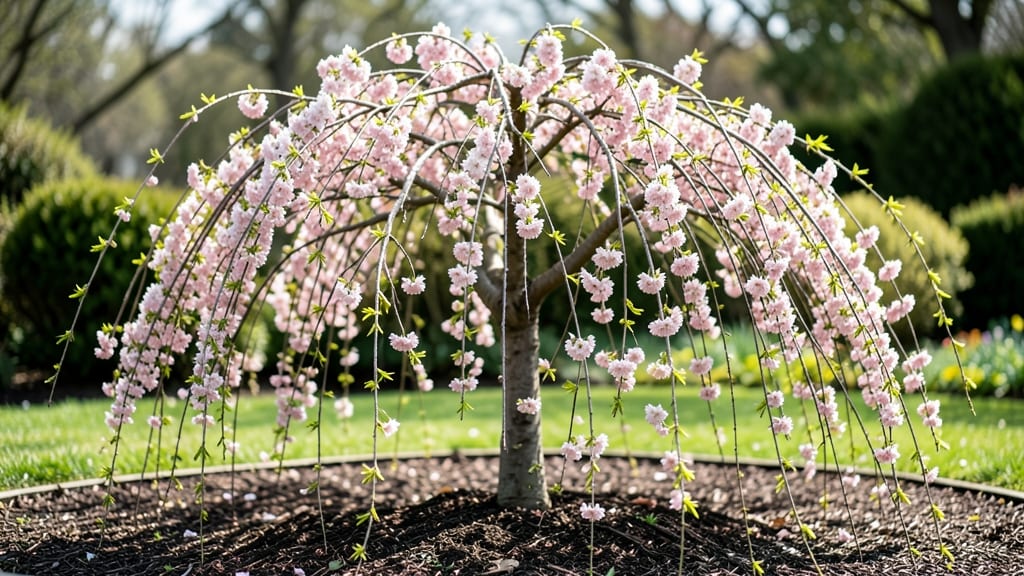
The weeping cherry tree bloom time varies dramatically by climate zone, with late winter to early spring being the sweet spot for most gardeners in the U.S.
Nothing beats the breathtaking sight of a weeping cherry tree 🌸 in full bloom—but timing is everything. If you're dreaming of vibrant pink or white cascades next spring, understanding your climate zone's bloom window is the first step to success.
In USDA Zone 6 (like much of the Midwest), expect blooms to arrive in March or April, while warmer zones like 8-9 may see them as late as May. Even a few degrees can shift the schedule by weeks, so knowing your exact zone matters.
Below, I’ll break down how chill hours and sunlight affect bloom timing, plus pro tips to encourage earlier or longer-lasting flowers—so you can plan your spring color show like a pro.
When weeping cherry trees bloom: exact months by USDA climate Zones
Weeping cherry trees (Prunus serrulata varieties) are famous for their dramatic spring blooms, but their timing varies dramatically by USDA zone. In Zone 5, expect blooms as early as late April, while Zone 9 gardeners may see flowers in February.
Understanding these differences helps you choose the right variety and plan for peak color.
Regional microclimates also play a role. Pacific Northwest weeping cherries often bloom 2-3 weeks earlier than Midwest counterparts due to milder winters. For example, a Zone 7 tree in Seattle might bloom in mid-March, while one in Chicago could wait until early May.
Here’s a zone-by-zone breakdown of when to expect blooms, including early and late-season varieties:
| USDA Zone | Typical Bloom Window | Early Bloomers (Varieties) | Late Bloomers (Varieties) | Regional Note |
|---|---|---|---|---|
| Zone 5 | Late April - Early May | 'Stella Compact' | 'Pendula' | Cold winters delay blooms |
| Zone 6 | Mid-April - Late April | 'Kwanzan' | 'Tieton' | Pacific NW blooms earlier |
| Zone 7 | Late March - Mid-April | 'Shirotae' | 'Mount Fuji' | Midwest blooms 1-2 weeks later |
| Zone 8 | February - Early March | 'Amanogawa' | 'Okame' | Southern California blooms earliest |
| Zone 9 | January - February | 'Kiku-shidare-zakura' | 'Pendula Plena' | Mild winters extend bloom season |
If you’re in Zones 6-7, early bloomers like 'Kwanzan' (pink flowers) or 'Shirotae' (white flowers) are ideal for late March to April displays. These varieties thrive in cooler climates and handle frost better than late-season types.
For Zones 8-9, late bloomers such as 'Amanogawa' or 'Okame' shine in January-February. These trees adapt to warmer winters and often rebloom lightly in summer, adding extra color to your landscape.
Regional variations matter! In the Pacific Northwest, weeping cherries often bloom 3-4 weeks earlier than in the Midwest due to cooler, wetter springs. For example, a Zone 7 tree in Portland might bloom in late March, while one in Chicago could wait until mid-April.
To maximize bloom time, plant your weeping cherry in a sunny, sheltered spot with well-draining soil. Avoid low-lying areas where late frosts can damage buds. If you’re in a warmer zone, consider dwarf varieties like 'Stella Compact' for easier care and earlier blooms.
Pro tip: Prune in late winter (just before buds swell) to remove dead or crossing branches. This encourages healthier blooms and improves airflow, reducing disease risk. Just avoid heavy pruning in fall, as new growth may not harden off before winter.
With the right variety and planting strategy, your weeping cherry can become the star of your spring garden, turning heads with its cascade of blossoms at just the right time. 🌸
How climate affects bloom time: chill hours vs. heat requirements
Your weeping cherry tree's bloom timing isn't just about the calendar—it's a delicate balance between chill hours and heat requirements. In colder climates like Zone 5, trees need 800+ chill hours (temperatures between 32°F and 45°F) to trigger buds.
But in milder Zone 9, varieties like 'Tieton' bloom later because they experience fewer cold snaps.
This climate dance explains why a Zone 6 tree might burst into bloom in early April, while a Zone 8 variety waits until May. The heat requirements after dormancy also play a role—too much warmth too soon can confuse the tree's internal clock, delaying those dreamy pink cascades.
⚠️ WARNING: Chill Hour Mismatch Risks Poor Blooming
For early blooms, choose varieties bred for your zone—like 'Kwanzan' in Zones 5-8—and plant in full sun locations. Trees in microclimates (like south-facing slopes) often bloom 1-2 weeks earlier than those in shaded spots. This sun advantage helps meet the heat requirements that kickstart flowering.
If you're in a transition zone (like Zone 7b), consider delayed planting for container-grown trees. Planting in late fall instead of spring gives roots more time to establish before winter, potentially improving next year's bloom quality. Just avoid planting when soil temps are below 40°F.
Remember: Pruning timing matters too. Heavy pruning after June removes next year's flower buds, while late-winter pruning (just before buds swell) promotes stronger blooms. In warmer climates, prune earlier (February) to avoid heat stress on fresh cuts.
For gardeners in Zone 9+, consider dwarf varieties like 'Shirofugen'—they often bloom more reliably with 200-300 chill hours. Pair your weeping cherry with early-blooming bulbs (like daffodils) to extend your spring color show while waiting for the tree's peak.