
Blooming
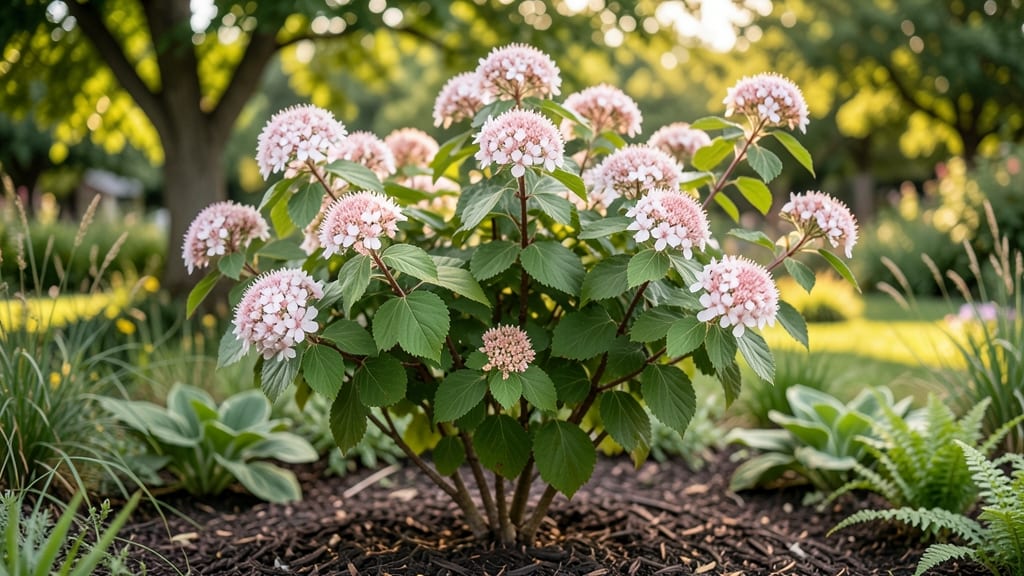
Your viburnum’s bloom time depends entirely on the variety and where you live, but getting it right means weeks of show-stopping color instead of missed opportunities.
If you’ve ever waited through spring only to see your viburnum 🌸 bushes sit there like sleepy sentinels, you’re not alone. Most gardeners assume all viburnums bloom around the same time—but Viburnum plicatum might burst into flower in May, while Viburnum dentatum lingers until June.
That’s a whole month of difference, and it all comes down to the plant’s internal clock.
Understanding these timelines isn’t just about patience—it’s about planning. Want to time your garden tours, pair flowers with pollinators, or even prune for next year’s blooms? Knowing when your viburnum will flower helps you align everything from mulching to mowing.
Below, I break down the exact bloom windows for popular varieties, the climate tricks that shift those dates, and how to nudge your bushes into flowering just a little earlier—or later—than usual.
You’ll also discover how sunlight, soil, and even last year’s pruning decisions influence bloom time. By the end, you’ll know exactly when to expect those fragrant clusters—and how to make sure they don’t pass you by.
Viburnum bloom time by variety: exact months & seasonal patterns
Timing your viburnum blooms means knowing whether your Viburnum bodnantense will greet spring with winter pinks or if your Viburnum plicatum will dazzle in late summer. Each variety has a distinct schedule, and regional climate shifts can push bloom windows by 2-4 weeks.
Let’s break down the exact months for spring, summer, and fall bloomers—and how to adjust for your hardiness zone.
Spring-flowering viburnums like Viburnum carlesii and V. farreri are the early risers, often blooming before leaves emerge, while Viburnum opulus (snowball bush) waits until late spring when temperatures stabilize.
Summer varieties like V. plicatum (Japanese snowball) thrive in June-July heat, and fall bloomers like V. burkwoodii light up late August-September with fragrant clusters.
Your USDA hardiness zone plays a critical role. In Zones 5-6, expect 2-3 weeks earlier blooms than in Zones 7-8. For example, V. bodnantense in Zone 6 may bloom in March-April, while in Zone 8, it could wait until April-May.
Always check your last frost date—these shrubs hate late spring frosts.
| Variety | Bloom Season | Exact Months (Zones 5-6) | Exact Months (Zones 7-8) | Key Features |
|---|---|---|---|---|
| Viburnum bodnantense | Early Spring | March-April | April-May | Fragrant pink/white blooms; winter hardy to Zone 4 |
| Viburnum carlesii | Late Winter/Early Spring | February-March | March-April | Bright pink buds; one of earliest to bloom |
| Viburnum plicatum | Summer | June-July | June-August | Layered branches; snowball-shaped white flowers |
| Viburnum opulus | Late Spring | May-June | May-June | Classic snowball bush; red berries later |
| Viburnum burkwoodii | Fall | September-October | October-November | Fragrant pink-white blooms; late-season star |
If you’re in a warmer microclimate (e.g., Zone 7 near a lake), your V. bodnantense might bloom 2 weeks later than a Zone 6 garden 50 miles inland. To adjust, monitor bud swell—when buds reach pea size, blooms are 2-3 weeks away.
In cooler zones, protect early bloomers like V. carlesii with frost cloth if nights dip below 25°F.
For summer-blooming varieties like V. plicatum, prune right after flowering to remove old wood and encourage next year’s blooms. Fall bloomers like V. burkwoodii benefit from light pruning in early spring—never cut back heavily, as they flower on old wood.
Always prune after blooms fade to avoid removing next year’s flower buds.
One pro tip: Mulch heavily in late fall to insulate roots—this can advance spring blooms by 1-2 weeks in Zone
Why viburnums flower when they do: science behind bloom timing
Viburnums are masterful at reading nature’s calendar, and their bloom timing is a fascinating dance between temperature shifts and daylight hours.
Unlike annuals that flower based on age, these shrubs rely on a complex interplay of chilling requirements and photoperiodism—the plant’s internal clock that responds to changing light levels. For most varieties, blooms emerge when daylight hours exceed 12-14 hours, signaling spring’s arrival.
But here’s the twist: some viburnums, like Viburnum farreri, bloom in late winter or early spring (as early as February in warm zones), while others, such as Viburnum lantana, wait until late spring or summer.
This variation isn’t random—it’s tied to their dormancy cycles and native climates. For example, V. farreri, native to China, thrives in cooler winters and blooms early to capitalize on mild spring temperatures.
🌱 Key Takeaway: Viburnum Bloom Triggers
- Chilling Hours: Most viburnums need 200-1,000 hours below 45°F to break dormancy.
- Daylight Threshold: Blooms trigger when days exceed 12-14 hours of light.
- Temperature Sweet Spot: Ideal bloom conditions: 50-70°F during the day.
- Variety Matters: Early bloomers (e.g., V. bodnantense) need fewer chill hours than late bloomers (e.g., V. plicatum).
💡 Pro Tip: Monitor your local last frost date—most viburnums bloom 4-6 weeks after the final frost.
Think of viburnums as seasonal athletes preparing for their big show. During winter, they undergo endodormancy, a deep rest phase where buds remain dormant even if temperatures fluctuate. As spring approaches, ecodormancy kicks in—buds swell when soil temperatures rise above 40°F and daylight lengthens.
This is why V. burkwoodii, a hybrid, often blooms in late spring: it balances the chilling needs of its parent species.
Regional climate plays a huge role. In USDA Zone 5 or colder, viburnums like V. carlesii may bloom 2-3 weeks later than in Zone 7**, because they need more time to satisfy their chill hour requirements.
Conversely, in Zone 8 and warmer, early bloomers like V. farreri might flower in January or February, while cooler zones wait until March or April.
Even soil moisture and nutrient availability can nudge bloom timing. Well-drained, slightly acidic soil (pH 5.0-6.5) ensures viburnums store enough carbohydrates over winter to fuel spring blooms. If your soil is too wet or compacted, roots struggle to absorb nutrients, delaying or reducing flower production.
I’ve seen V. opulus in heavy clay soils bloom 3 weeks later than identical plants in loamy soil.
Finally, don’t overlook the role of pruning. Pruning at the wrong time (e.g., cutting back after buds form) can disrupt the plant’s energy reserves, pushing blooms later or reducing their number.
For example, V. plicatum (snowball bush) relies on old wood for flowers—prune immediately after blooming to preserve next year’s buds. Timing is everything, and understanding these science-backed triggers helps you predict and even influence your viburnum’s bloom schedule.
🌿