
Blooming
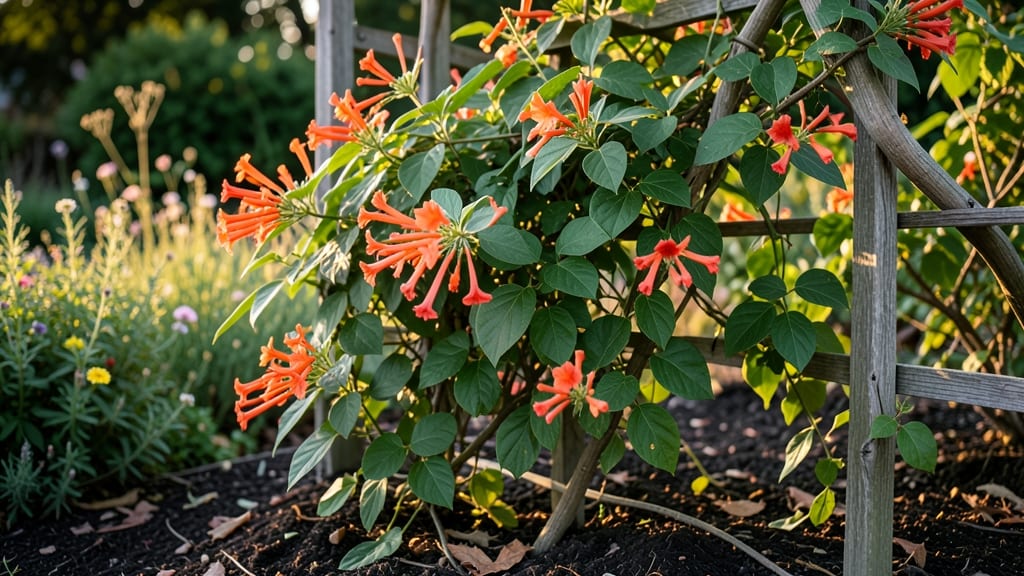
The trumpet vine bloom time stretches from late spring through early fall 🌸, with peak displays stretching from June to September in most climates.
If you’ve ever watched a trumpet vine explode in vibrant orange, red, or yellow blooms and wondered how to keep those stunning displays lasting all summer, timing is everything—especially when it comes to pruning.
This fast-growing vine thrives in full sun and well-draining soil, but even the hardiest plants need a little help to extend their bloom season.
The key lies in understanding its natural cycle: early buds form in spring, peak blooms arrive in summer, and proper pruning in late fall sets the stage for next year’s show.
In this guide, I’ll break down how to recognize those first delicate buds, adjust care for your climate zone, and prune strategically to ensure your trumpet vine stays in full, colorful bloom from start to finish.
Understanding trumpet vine bloom time and seasonal growth patterns
If you’ve ever watched a trumpet vine explode in vibrant orange, red, or yellow blooms, you know its show-stopping power. But did you know that timing is the secret to keeping those trumpet vine blooms coming back year after year?
The bloom cycle of Campsis radicans is a carefully choreographed dance between dormancy, bud formation, and peak flowering—each stage influenced by your climate zone and care habits.
For most gardeners in USDA zones 6-9, trumpet vines begin their spring awakening in late April to May, with buds swelling as temperatures rise above 50°F. This is when the plant shifts from dormancy to active growth, setting the stage for summer’s floral spectacle.
However, in warmer southern climates (zones 10+), you might spot early blooms as early as March, while northern gardeners in zone 5 may wait until June.
| Seasonal Stage | Key Growth Activity | Climate Impact | Garden Action |
|---|---|---|---|
| Dormancy | Plant rests; no growth; buds form underground | Cold winters (zones 5-7) extend dormancy; mild climates (zones 8+) may see slight growth | Prune dead wood; mulch for insulation |
| Bud Formation | New buds develop on old wood (last year’s growth) | Warmer springs trigger earlier budding; cooler areas delay until May/June | Monitor for pests; avoid heavy pruning |
| Peak Bloom | Vibrant flowers appear June–August; attracts hummingbirds | Full sun (6+ hours) ensures longest bloom; partial shade shortens duration | Water deeply; fertilize lightly with 10-10-10 |
| Decline | Flowers fade; seeds form; vines prepare for dormancy | Late summer heat can stress vines; frost signals dormancy | Prune spent blooms; harvest seeds if desired |
| Critical Window | Late August–September: buds for next year form! | Cooler temps slow growth; frost risks in northern zones | Avoid heavy pruning; protect from early frost |
The peak bloom period typically stretches from June through August, but this can shift based on your location.
In southern California or Florida, trumpet vines may bloom as early as April and continue into October, while in New England or the Midwest, the main show happens between July and September.
The key to extending this window? Consistent sunlight and understanding that trumpet vines bloom on old wood—meaning last year’s growth produces this year’s flowers.
Here’s where most gardeners trip up: late summer (August–September) is the critical window for next year’s blooms. During this time, the vine is already forming flower buds for spring, even as this year’s blooms fade.
If you prune too aggressively now, you risk removing next year’s potential flowers. Think of it like saving seeds—you wouldn’t harvest them all at once, would you?
Your climate zone also dictates how long you’ll enjoy trumpet vine blooms. In hot, dry regions like Arizona or Texas, vines may bloom earlier and fade faster due to summer heat stress.
Meanwhile, in humid eastern states, blooms can last longer but may be more susceptible to powdery mildew if humidity isn’t managed. I’ve seen trumpet vines in zone 7 with three distinct bloom cycles: spring, summer, and a late-season burst in September.
One of the most misunderstood aspects of trumpet vine care is the relationship between pruning and blooming. Unlike annuals that bloom once and die, trumpet vines are perennials that rely on last year’s growth for flowers.
That’s why late winter pruning (just before buds swell) is safer than post-bloom cuts. If you prune too late in the season, you might accidentally remove the flower buds forming for next year.
To maximize your trumpet vine’s bloom duration, pay attention to these three signs that the plant is transitioning stages:
- New leaf growth in spring signals bud formation.
- Bud swelling on old wood (last year’s stems) means flowers are coming soon.
- Seed pods forming in late summer indicate the plant is preparing for dormancy. Monitoring these cues helps you time watering, fertilizing, and pruning perfectly.
Pro tip: If your trumpet vine’s blooms seem sparse or short-lived, it might be a sign of nutrient deficiency or poor sunlight exposure. These vines thrive in full sun (6+ hours daily) and well-draining soil.
I once had a trumpet vine in a shady corner that barely bloomed—moving it to a south-facing trellis doubled its flower production within a season!
Remember, trumpet vines are notoriously aggressive climbers, and their bloom time
Best pruning schedule for trumpet vine to extend bloom duration
Timing your trumpet vine pruning correctly can transform a single summer burst of blooms into a prolonged display from early summer through fall. The key lies in understanding when to cut back to encourage new growth while preserving next year’s flower buds.
Most gardeners make the mistake of pruning at the wrong time, which can actually reduce blooms instead of extending them.
Your trumpet vine’s bloom time typically spans from June through September, but aggressive pruning in late winter or early spring is what triggers those vibrant trumpet-shaped flowers to appear earlier and last longer.
Without proper pruning, you might miss out on weeks—or even months—of stunning orange, red, or yellow blooms that hummingbirds and bees adore.
⚠️ WARNING: Pruning Too Late Can Ruin Next Year’s Blooms Cutting back your trumpet vine after mid-September removes next year’s flower buds, which form on new growth during late summer. If you prune too late, you’ll sacrifice spring blooms entirely.
Always finish pruning by early fall to allow buds to develop before winter dormancy sets in. For regions with mild winters (Zones 8-10), aim to prune by October 1st at the latest.
Start your pruning in late winter (just before new growth begins) by removing dead, diseased, or crossing branches. Use clean, sharp pruners to make cuts at a 45-degree angle about ¼ inch above a bud or lateral branch.
This first round of pruning opens up the vine’s structure, allowing sunlight to penetrate and encouraging more vigorous growth.
After your trumpet vine finishes blooming in late summer or early fall, perform a second pruning to maintain shape and remove any spent flowers or weak stems. Never cut back more than ⅓ of the vine’s total growth in one season, as this can stress the plant.
Focus on removing stems that grew during the current season, as these won’t produce next year’s blooms.
For aggressive pruning (recommended every 2-3 years), cut the vine back to 2-3 feet tall in late winter. While this may seem drastic, it rejuvenates the plant and often results in earlier and more abundant blooms the following year.
Pair this with a balanced 10-10-10 fertilizer in early spring to support rapid regrowth.
Grab your pruning tools, including bypass pruners for small stems and a pruning saw for thicker branches over ½ inch in diameter. Always sterilize your tools with rubbing alcohol between cuts to prevent the spread of disease.
With the right pruning schedule, your trumpet vine will reward you with longer, more spectacular blooms year after year.