
Trees
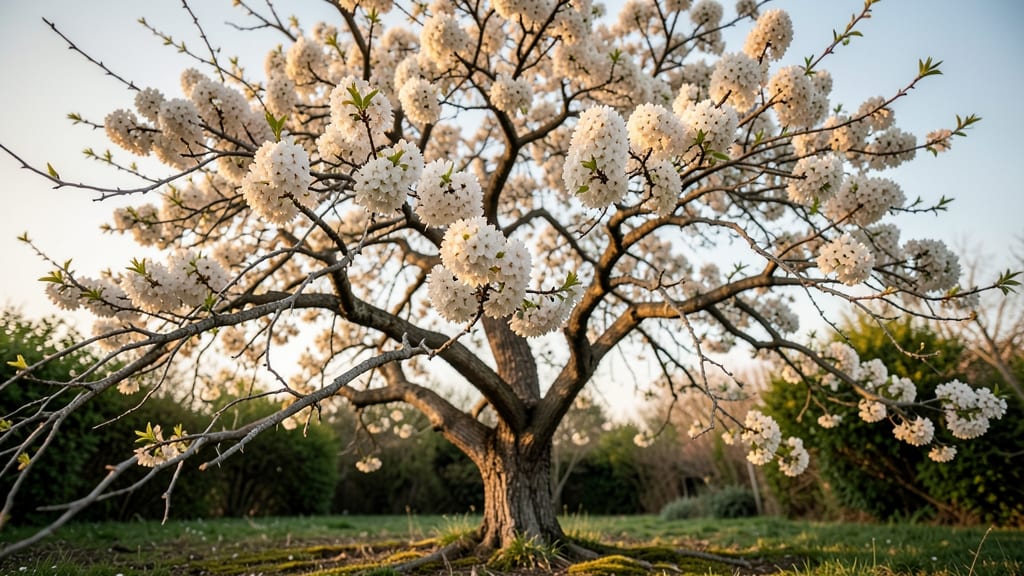
Spring gardens burst to life with white-blooming trees that create dreamy canopies and welcome bees, butterflies, and hummingbirds. These ten pollinator magnets add timeless beauty while supporting local ecosystems—perfect for gardeners who love both aesthetics and sustainability.
Cherry Blossom Trees for Classic Spring Beauty
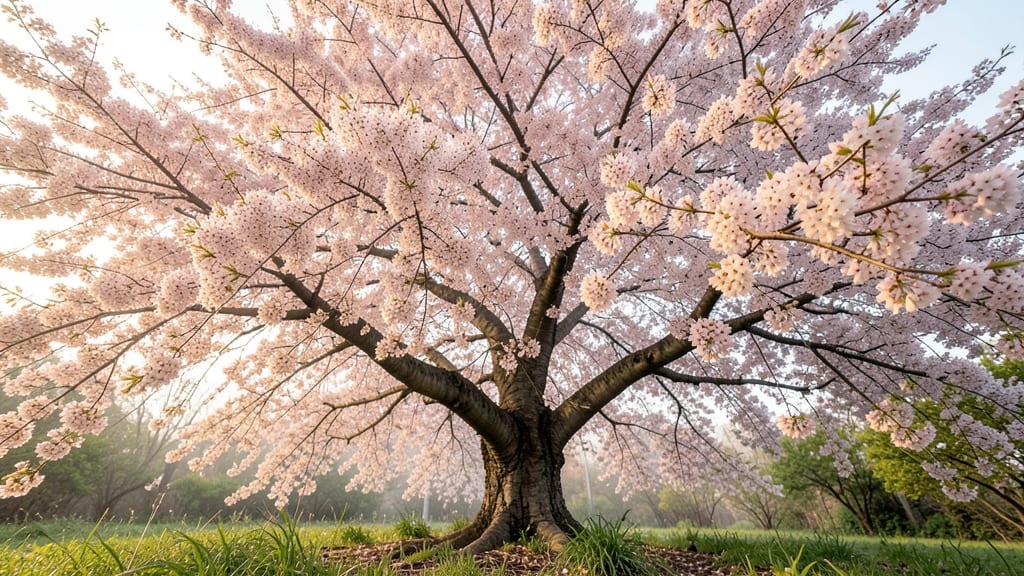
Imagine waking up to a pink-white cloud of blossoms drifting over your yard—this is the magic of cherry blossom trees (Prunus serrulata). Their fleeting but spectacular 1-2 week bloom transforms any space into a pollinator paradise, drawing bees, butterflies, and even hummingbirds with their sweet nectar.
For best results, plant your tree in full sun with well-drained soil, and choose between dwarf varieties (15-20 feet) for small gardens or standard types (25-35 feet) for dramatic focal points. Prune lightly after flowering to maintain shape, and mulch to retain moisture—these trees thrive with minimal fuss once established. Their delicate petals create a romantic atmosphere that’s hard to match.
Perfect for urban gardeners or anyone craving a low-maintenance yet high-impact tree, cherry blossoms bring both beauty and ecological benefits to your landscape. 🌸
Dogwood Trees with Star-Shaped White Flowers
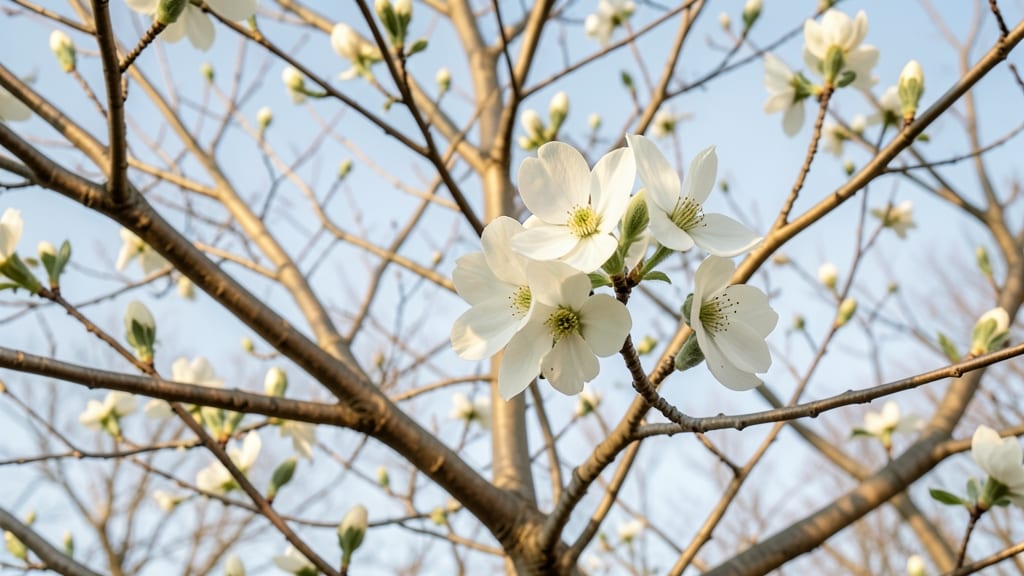
While cherry blossoms steal the show in many gardens, dogwood trees offer a quieter yet equally stunning alternative with their four-petaled white flowers that bloom before leaves appear. This unique timing makes them a lifeline for early spring pollinators like native bees and butterflies struggling to find food after winter.
Native to North America, these trees thrive in partial shade to full sun and grow best in well-drained, slightly acidic soil. Their star-shaped blooms create a delicate canopy, and their fall foliage turns vibrant red or purple, adding seasonal interest. Plant them as focal points in woodland gardens or along property edges for maximum pollinator impact.
Perfect for gardeners who want low-maintenance beauty with high ecological value, dogwoods reward patience with decades of blooms and wildlife support. 🌻
Magnolia Trees for Fragrant White Blooms
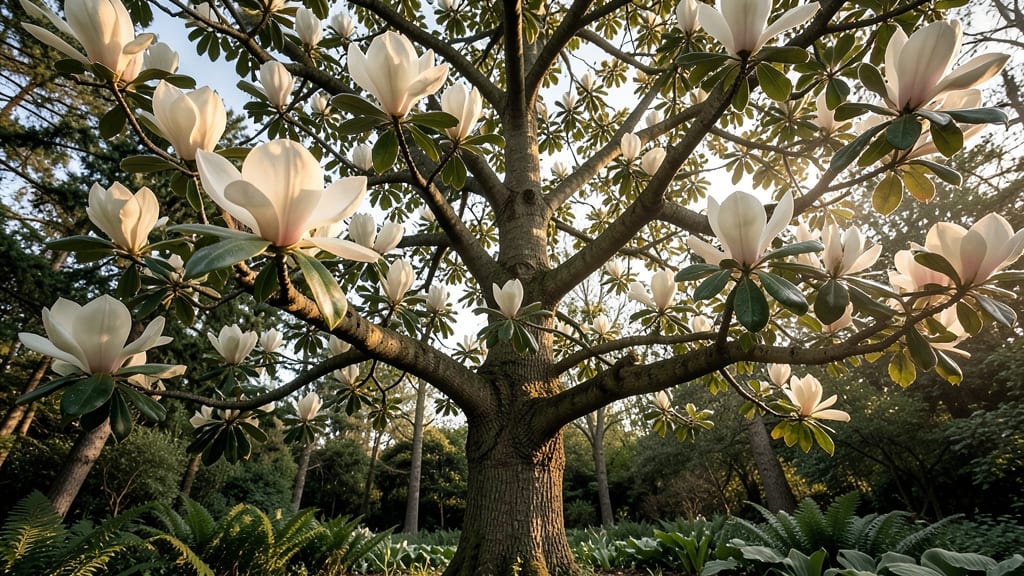
Transform your shade garden into a fragrant sanctuary with magnolia trees, whose large, cup-shaped white blooms release a sweet perfume that lingers in the air. Unlike many spring bloomers, magnolias offer both visual drama and sensory delight, making them a standout for gardeners who crave year-round interest.
These trees thrive in partial shade to full shade, making them ideal for understory plantings or as focal points in woodland gardens. Their glossy, evergreen-like leaves add texture even when flowers fade, while the late spring to early summer blooms provide nectar for hummingbirds and bees when other pollinator sources may be scarce. Varieties like 'Ann' or 'Elizabeth' are particularly fragrant and compact, perfect for smaller spaces.
Perfect for gardeners seeking low-maintenance elegance, magnolias reward patience with decades of beauty. Their dramatic blooms and rich foliage create a timeless backdrop for any landscape. 🌟
Bradford Pear Trees for Early Pollinator Support
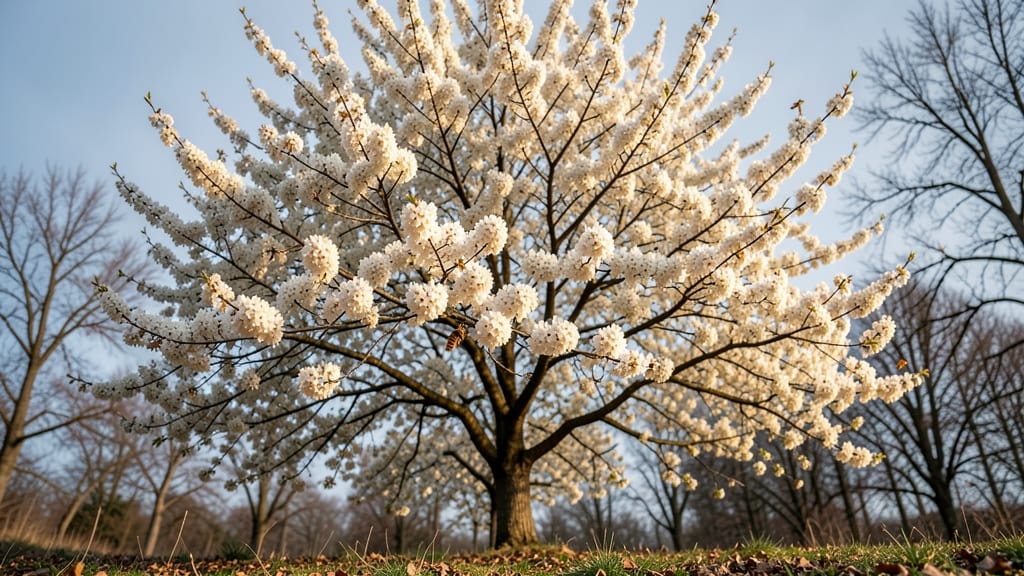
When bees and butterflies emerge from winter dormancy, they often find few food sources—but Bradford pear trees break the fast with their early spring blooms. These trees are pollinator pioneers, bursting into fragrant white flowers as early as late winter to early spring, often before daffodils or crocuses even appear.
Plant them in full sun for maximum blooms, and expect a 2-3 week spectacle that feeds early bees, syrphid flies, and migrating butterflies. Their fast growth rate (2-3 feet per year) makes them ideal for quick privacy screens or focal points, but be aware they develop weak wood as they age. Prune in late winter to maintain structure while preserving next year's blooms.
Perfect for suburban gardens or urban landscapes, Bradford pears thrive in USDA zones 5-9 and tolerate a range of soils—though they prefer well-drained conditions. Their early nectar supply gives pollinators the energy boost they need to thrive through the season. 🌟
Crabapple Trees with Clusters of White Flowers
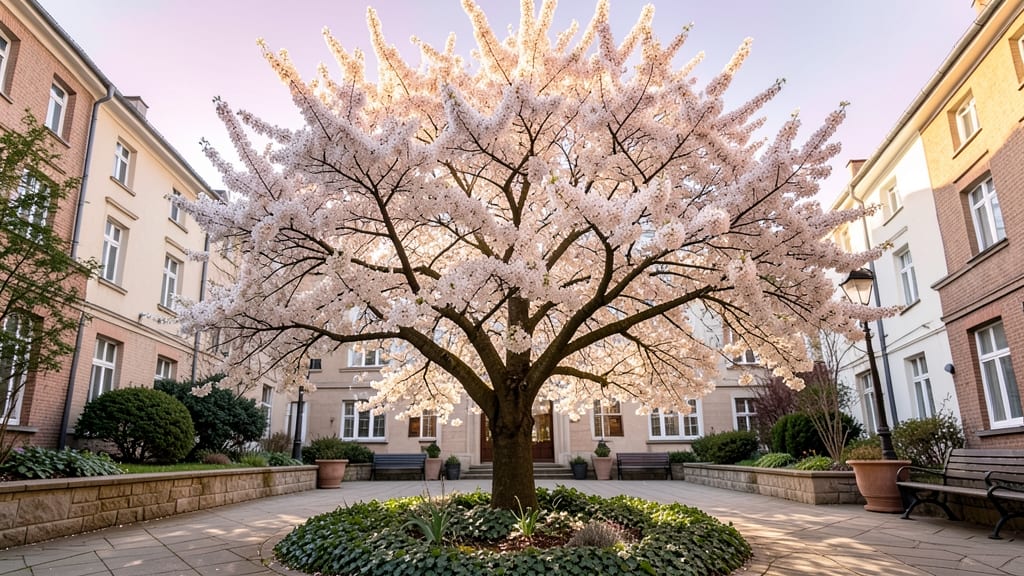
If your garden space is limited but you still crave a dramatic spring display, crabapple trees deliver a snow-like canopy without taking over your yard. Their compact size (typically 15-25 feet tall) makes them ideal for small urban gardens, courtyards, or even large containers, while their dense clusters of white flowers create a breathtaking focal point.
These trees bloom in late spring, attracting pollinators like bees and butterflies while also drawing birds with their small, ornamental fruit. Varieties like 'Adams' or 'Dolgo' offer disease resistance and vibrant fall color. Plant them in full sun for the best flower production, and prune lightly after blooming to maintain their shape. 🌻
Japanese Snowbell Trees for Unique Bell-Shaped Flowers
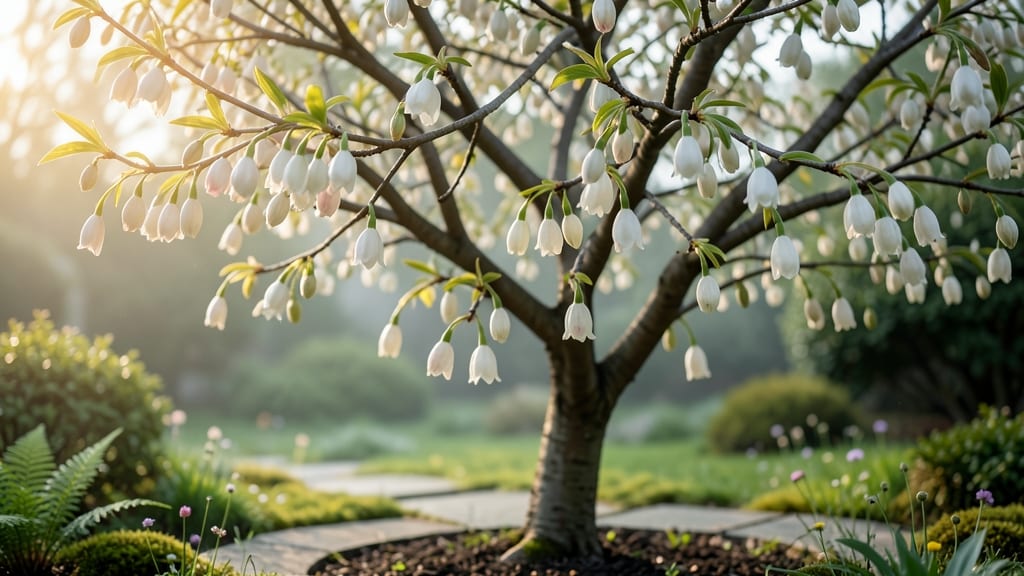
If you're looking for a tree that feels like a secret garden treasure, the Japanese snowbell (Styrax japonica) delivers with its dramatic, bell-shaped white flowers that dangle like chimes in the breeze. Unlike most spring bloomers, these flowers face downward, creating a mesmerizing visual that catches sunlight in a way no other tree does.
This understory tree thrives in partial shade to full sun, making it perfect for woodland gardens or as an accent under taller trees. The blooms appear in late spring to early summer—just when many pollinators are winding down—providing a critical nectar source for hummingbirds, moths, and late-season bees. With minimal fuss, it rewards gardeners with fragrant flowers and glossy, dark green foliage that adds year-round interest.
Ideal for gardeners who love unique textures and quiet elegance, Japanese snowbells work beautifully in Asian-inspired gardens or as a focal point in shaded borders. Their slow, steady growth means they’ll grace your landscape for decades with little maintenance. 🌷
Fringe Trees with Fuzzy White Flower Clusters
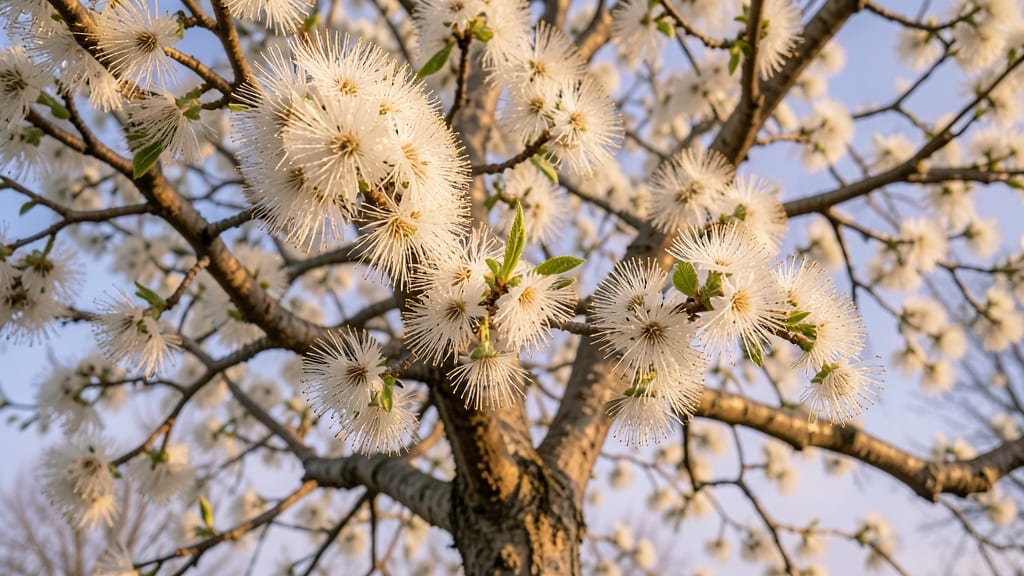
If you're looking to add a textured, whimsical touch to your spring garden, fringe trees (Chionanthus virginicus) are a game-changer. Their fuzzy, fringe-like white flower clusters create a soft, cloud-like canopy that stands out against traditional smooth-blooming trees.
These native North American trees thrive in full sun to partial shade and are surprisingly low-maintenance once established. The flowers appear in late spring, providing a long-lasting nectar source for bees and butterflies—especially important when early bloomers fade. Their smooth, oval leaves turn golden in fall, adding seasonal interest.
Perfect for pollinator gardens, urban landscapes, or woodland edges, fringe trees offer year-round structure with minimal fuss. Their unique blooms make them a standout for gardeners who love textural contrast and want to support local wildlife. 🌻
Serviceberry Trees for Edible White Blooms
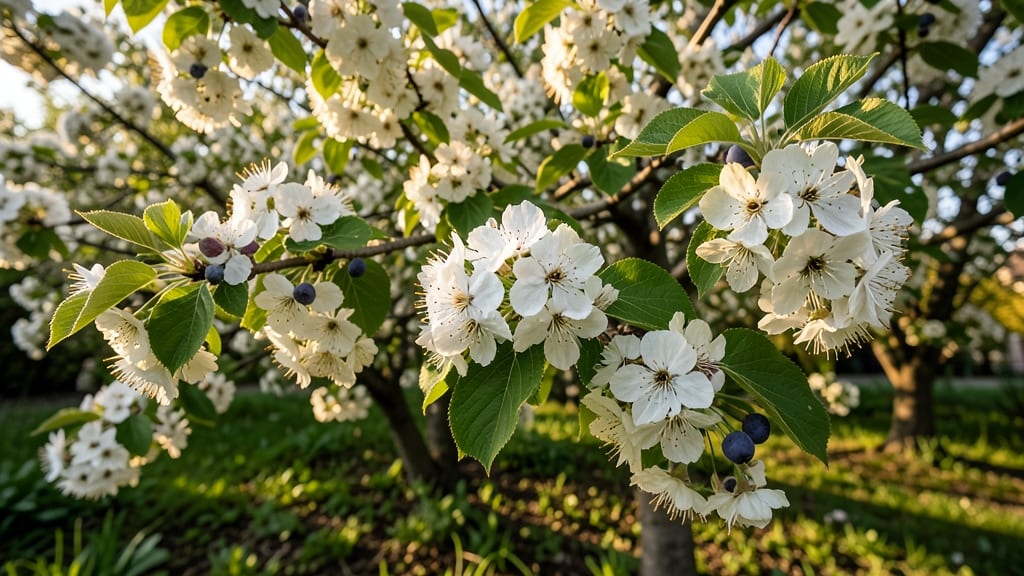
Looking for a tree that does double duty—beautiful blooms AND a late-season food source? Serviceberry trees are your answer. Their delicate white flowers appear in early spring, creating a stunning canopy that pollinators adore, while their small, tart berries ripen in summer, feeding birds and even humans.
These versatile trees thrive in full sun to partial shade and adapt well to various soil types, making them perfect for both woodland edges and urban gardens. Prune lightly after blooming to shape the tree, and watch as it transforms from a floral showstopper to a wildlife magnet. The edible berries are especially prized by robins, cedar waxwings, and bluebirds.
Ideal for gardeners who want year-round interest, serviceberries offer seasonal variety without the fuss. Their compact size (15-25 feet tall) makes them great for smaller spaces too. 🌟
White Flowering Dogwood Varieties
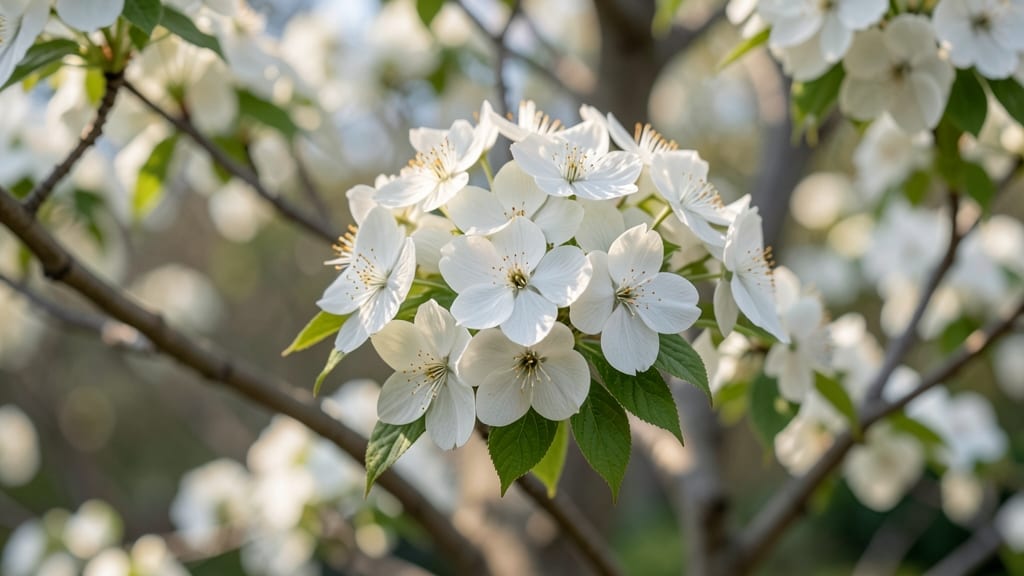
If you love the classic beauty of dogwoods but have limited space, dwarf varieties like 'Florida Pink' and 'Cherokee Brave' bring the same showstopping blooms to small gardens and containers. These compact trees grow just 6-10 feet tall while still producing stunning white flowers that pollinators adore.
Plant them in partial shade with well-draining soil, and they’ll reward you with vibrant foliage that turns fiery red in fall. Their smaller size makes them perfect for urban patios, courtyard gardens, or even large planters—ideal for city dwellers or those with tight spaces.
Perfect for pollinator gardens, these varieties maintain all the charm of traditional dogwoods without the sprawling footprint. 🌱
Hawthorn Trees for Wildflower-Like White Clusters

If you love the rustic charm of wildflower meadows but want a tree that delivers the same romantic white blooms with less maintenance, hawthorn trees are your perfect match. Their dense clusters of star-shaped flowers create a cloud-like effect that mimics wild roses, while their thorny branches add natural texture to any landscape.
What makes hawthorns truly special is their early spring bloom time, often appearing before many other trees. This timing provides critical nectar for native bees when few other food sources are available, making them a pollinator powerhouse. They thrive in full sun to partial shade and are remarkably adaptable, growing in both urban and rural settings with minimal care once established.
Perfect for gardeners who want to support local ecosystems while adding wildflower-inspired beauty to their yard, hawthorns are also low-maintenance compared to other flowering trees. Their berries later in the season even attract birds, making them a year-round garden asset. 🌻