
Blooming
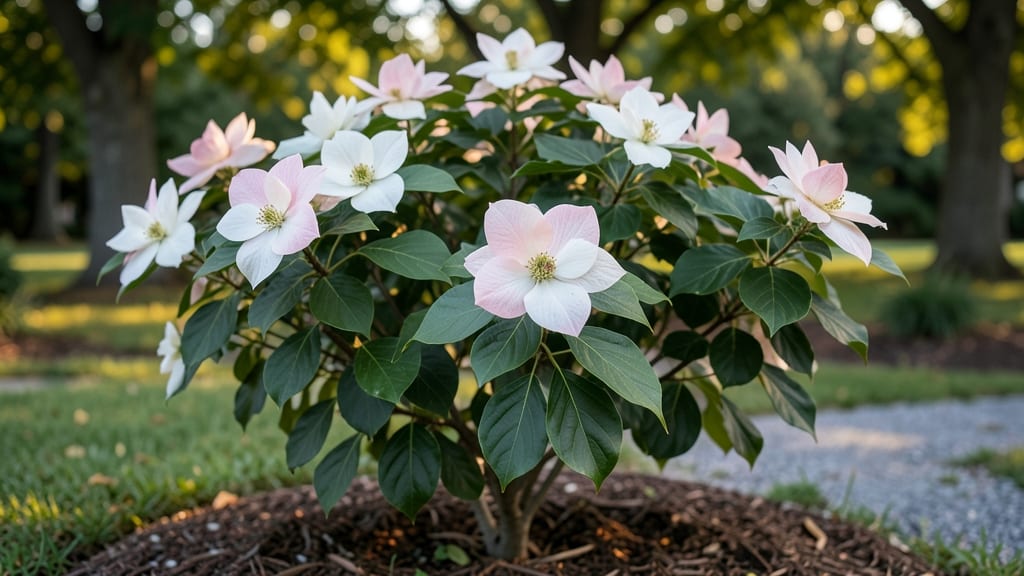
The kousa dogwood bloom time bursts into bloom right when your garden needs that mid-spring lift—typically in late April to early May, depending on your zone. 🌸 I’ve watched mine transform from bare branches to clouds of fragrant white stars, and it’s the moment I wait for every year.
Unlike its cousin the flowering dogwood, Kousa blooms later, avoiding late frosts that can damage delicate flowers. The timing shifts north to south: Zone 5 gardeners might see blooms in early May, while Zone 7-8 trees often flower by late April.
Pruning too late in the season can delay blooms, but proper care—like avoiding heavy summer pruning—keeps your tree on schedule. The flowers themselves last about two weeks, but their star-shaped bracts (the "petals") create a show that lasts longer than most spring blooms.
What makes Kousa dogwoods special is their fragrance—a light, sweet scent that fills the air on warm days. The blooms give way to bright red berries in fall, extending the season’s interest. For the best display, plant yours where you can enjoy the show from a patio or window.
Here’s the secret to keeping them blooming reliably: Water deeply during droughts and avoid over-fertilizing—too much nitrogen steals energy from flowers. With the right care, your Kousa will be the garden’s centerpiece year after year.
📚 In This Guide
- What you need
- Instructions
- Tips and common mistakes
- Wrapping up and next steps
What you need
- ● Kousa Dogwood Tree (Cornus kousa) – Ensure it’s healthy, ideally 3-5 years old for optimal blooming. Quantity: 1 (or more for clusters).
- ● Well-draining soil – Mix of 60% native soil, 30% compost, and 10% perlite or sand (pH 5.0–6.5).
- ● Organic mulch – 2–3 inches of shredded bark or wood chips to retain moisture and regulate temperature.
- ● Watering can or hose with a gentle spray nozzle – For deep watering (avoid soggy roots!).
- ○ Fertilizer (optional but helpful) – Balanced 10-10-10 or slow-release granular fertilizer (apply in early spring).
- ● Garden gloves – To protect hands while planting or pruning.
- ● Hand trowel or spade – For digging planting holes (depth: 2x the root ball width).
- ● Pruning shears – For shaping or removing dead branches post-bloom.
- ● Sunlight access – Full sun to partial shade (6+ hours of light for best blooms).
- ● Weather check – Plant after the last frost date in your zone (typically March–May for mid-spring blooms).
- ● Slow-release fertilizer spikes – For hassle-free nutrient delivery.
- ● Drip irrigation system – To automate watering during dry spells.
- ● Decorative stakes or trellis – If planting near pathways to highlight the blooms.
- ● Bloom tracker journal – To log your tree’s progress and predict future bloom times!
How to time Kousa dogwood blooms for peak mid-spring beauty
Watch for these key signals so you're ready when the fragrant white stars appear.
🌿 Step 1: Observe Last Year's Bloom Pattern
Kousa dogwoods typically bloom in mid-to-late spring, but timing varies by region and microclimate. To predict this year's show, study last season's blooms. Note when the flowers first opened and how long they lasted—most varieties stay vibrant for 2-3 weeks. If your tree bloomed in early May last year, expect a similar window this spring, though a cold snap can delay things by 7-10 days.
Pay attention to nearby trees like cherry or magnolia—they often bloom within a few days of kousa dogwoods. If your neighbors' trees are already in full bloom, check your own branches daily for the first hint of pink buds forming at the tips. These buds are your first warning sign that the main floral display is coming soon.
☀️ Step 2: Track Temperature and Sunlight
Kousa dogwoods need consistent daytime temperatures above 50°F to trigger blooming, with nights staying above 40°F. Use a local weather app to track these thresholds—once daytime highs hit 60°F for 3+ days, your tree is likely preparing for its floral show. I check my app every morning and mark the calendar when temps stabilize in this range.
Sunlight also plays a role: trees in full sun (6+ hours daily) tend to bloom 1-2 weeks earlier than those in partial shade. If your tree is in a shadier spot, expect the blooms to arrive later. Watch for new leaf growth—when the first deep green leaves unfurl, the buds are usually just days away from opening.
🌱 Step 3: Identify Bud Break and Early Blooms
About 10-14 days before peak bloom, you'll notice the buds swell slightly and turn from green to a pale pink hue. Run your fingers gently over the branches—you'll feel the buds firm up like small marbles. This is the critical stage where pruning or heavy pruning can damage the flowers, so avoid any trimming now.
Once the buds open, the blooms reveal their four-petaled white stars with a yellow center. The fragrance is strongest in the morning, so plan your garden time accordingly. If you see even a single open flower, peak bloom is 3-5 days away—time to set up your camera or invite guests for a stroll through the garden.
⏰ Step 4: Plan for Post-Bloom Care
After the flowers fade (usually 2-3 weeks after opening), the tree will produce red berries that mature in late summer. These berries attract birds, so leave them unless you're dealing with overcrowding. The best time to prune is right after blooming, when the tree has finished its energy investment in flowers.
Remove any dead, diseased, or crossing branches first, then shape the tree lightly if needed. I never prune more than 25% of the canopy in one season—this keeps the tree healthy for next year's spectacular display. Water deeply once a week during dry spells to support root growth for the next bloom cycle.
Tips & tricks for perfect Kousa dogwood bloom timing
Timing your kousa dogwood's bloom like a pro means knowing exactly what to watch for—and when. These are the secrets that'll help you catch that stunning floral display at its absolute peak.
Temperature Tracking: The 50°F daytime threshold is your magic number—once temps consistently stay above this for 3+ days, your tree starts its bloom countdown. I keep a simple garden journal where I mark daily highs. When those highs hit 60°F for three mornings in a row, I know the buds are getting ready to wake up. Nighttime temps matter too: if nights dip below 40°F, blooming gets delayed. A good rule of thumb is that every cold snap below 40°F can push back the bloom by 3-5 days.
Bud Inspection Technique: About 10-14 days before peak bloom, the buds will transform from green to that signature pale pink color. This is your first visual cue that things are moving along. Here's what I do: I run my thumb gently along the branches—when the buds feel firm like little marbles, that's your confirmation. This is also the perfect time to take photos of the bud development for next year's reference. Pro tip: Avoid touching the buds once they start opening, as this can damage the delicate petals.
Sunlight Optimization: If your tree is in partial shade, you might see blooms arrive 1-2 weeks later than full-sun trees. I've noticed that even small changes in sunlight exposure can shift the timing by a full week. Watch for those first deep green leaves unfurling—they're your final signal that peak bloom is just days away. For trees in full sun, I've found that blooming often happens 5-7 days after the leaves fully emerge, while shadier trees might take 10-14 days after leafing out.
Post-Bloom Care Strategy: After those beautiful white stars fade (usually within 2-3 weeks), resist the urge to clean up immediately. The red berries that follow are a crucial food source for birds and wildlife. I wait until late summer when the berries have fully ripened before considering any cleanup. The best time to prune is right after blooming—this gives the tree time to recover its energy before winter. I never cut more than 25% of the canopy in one season, as this maintains the tree's health for next year's spectacular show.
Pro Tips for Kousa Dogwood Bloom Time
- Timing your kousa dogwood's bloom like a pro means knowing exactly what to watch for—and when. These are the secrets ...
- Temperature Tracking: The 50°F daytime threshold is your magic number—once temps consistently stay above this for 3+ ...
- Bud Inspection Technique: About 10-14 days before peak bloom, the buds will transform from green to that signature pa...
Frequently asked questions
Got questions about Kousa dogwood blooms? You’re not alone!
Here are answers to the most common queries to help you plan and enjoy this stunning mid-spring spectacle.
When exactly do Kousa dogwoods bloom?
The Kousa dogwood (Cornus kousa) typically blooms in late April to early May, with peak timing varying by region. In the southern U.S., expect blooms by mid-April, while northern zones (USDA 5-6) may see them in late May. Cool springs can delay blooms by 1–2 weeks.
How long do the flowers last?
Kousa dogwood flowers last 2–3 weeks if conditions are ideal—think sunny days, moderate temps (60–75°F), and light winds. Heavy rain or extreme heat can shorten their lifespan. For extended blooms, plant in partial shade to protect delicate petals.
What happens if my Kousa dogwood doesn’t bloom?
No blooms? Check these 3 common culprits:
- Age: Young trees (under 3 years) may not bloom. Be patient!
- Pruning mistakes: Cutting back after blooming or trimming too aggressively can reduce flowers next year.
- Stress factors: Overwatering, poor soil, or pests (like borers) can stunt growth. Amend soil with compost and monitor for damage.
If the tree is healthy but still skips blooms, it might need a balanced fertilizer in early spring to encourage flowering.
Are Kousa dogwoods fragrant? Do they attract pollinators?
Yes! Kousa dogwoods produce delicate, lightly fragrant flowers with a subtle, sweet scent—not overpowering but noticeable on calm days. They’re a pollinator magnet, attracting bees, butterflies, and hummingbirds. For extra buzz, pair them with native shrubs like serviceberry or viburnum.
Can I force Kousa dogwood blooms indoors?
Unfortunately, no—Kousa dogwoods are not suitable for forcing indoors like some spring bloomers (e.g., pussy willows). Their woody stems and large flower clusters make them impractical for vase arrangements. Instead, enjoy their outdoor spectacle or take photos of their unique star-shaped blooms!
Do Kousa dogwoods bloom better in hot or cool climates?
They thrive in moderate climates (USDA zones 5–8) but prefer cooler summers over extreme heat or humidity. In hot southern regions, plant in partial shade and mulch heavily to retain moisture. In northern areas, they handle colder winters well but may need spring protection if late frosts threaten early blooms.
Wrapping up and next steps
The Kousa dogwood’s mid-spring bloom—with its fragrant, star-shaped white flowers—is a true highlight of the garden season! 🌸 Whether you’re admiring its delicate beauty or planning your own landscape, this tree proves that patience pays off, as its stunning display rewards gardeners with a burst of elegance.
Now that you know the ideal bloom time and care tips, why not take the next step?
- Plant one in your yard or a nearby green space to welcome pollinators and add charm.
- Share the love—gift a cutting or snap a photo of your blooming Kousa dogwood to inspire others!
Your garden (and future visitors) will thank you!