
Blooming
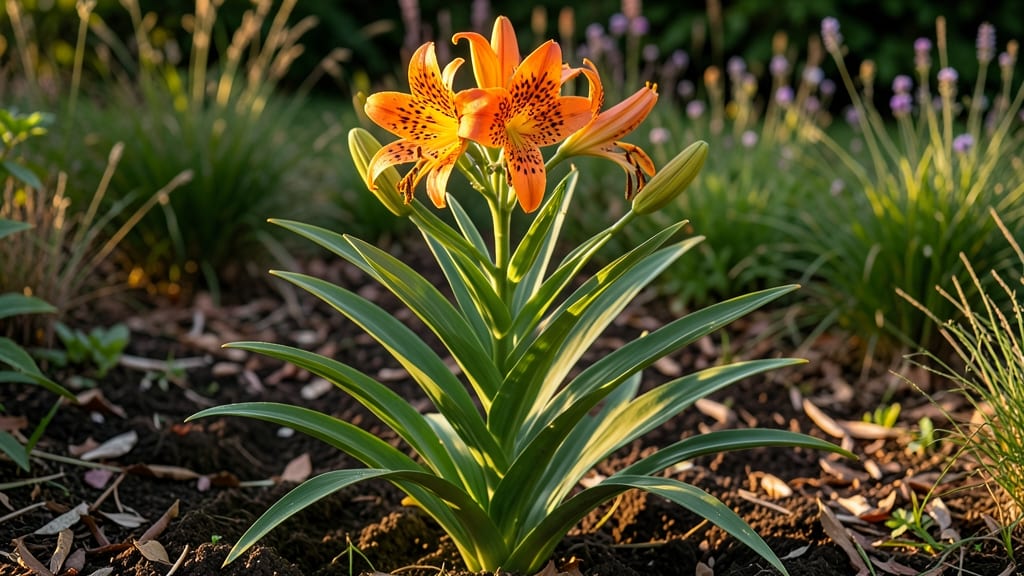
If you’re eagerly waiting for your tiger lilies to burst into vibrant color, timing is everything—miss the bloom window, and you’ll be left staring at empty stems. But with the right zone and seasonal cues, you can predict their peak bloom down to the week.
In USDA Zone 6a and warmer, these perennials often reward gardeners with a second flush of blooms in early fall, especially if you deadhead spent flowers. Cooler zones like Zone 5 may see shorter bloom periods, while Zone 8 and beyond can enjoy extended displays well into September.
Below, I’ll break down the exact months to expect blooms in your area, plus 3 simple tricks to coax earlier or longer flowers—no green thumb required.
Exact tiger lily bloom months by US hardiness Zone
Tiger lilies (Lilium lancifolium) are showstoppers in any garden, but their bloom time varies dramatically depending on your USDA hardiness zone.
In colder zones, like Zone 3-4, they typically bloom in late June to early July, while warmer zones like Zone 9-10 can enjoy blooms as early as April or May. Understanding these patterns helps you plan your garden layout and companion plants for maximum impact.
Early bloomers, like the 'Orange Tiger' variety, often start showing color in late May in Zones 7-10, while late-season varieties may not peak until August in cooler climates.
The key difference? Frost sensitivity and daylight hours trigger their blooming cycle. In frost-prone zones, wait until after the last spring frost to plant bulbs for reliable blooms.
Here’s a detailed breakdown of when to expect tiger lilies to bloom across the USDA hardiness zones, including early, mid, and late-season varieties:
| Zone | Early Bloom | Peak Bloom | Late Bloom | Notes |
|---|---|---|---|---|
| 3-4 | Late June | July | Early August | Cold-hardy; plant bulbs in fall for next year’s blooms. |
| 5-6 | Early June | June-July | Late July | Mid-season varieties thrive here; protect from late frosts. |
| 7-8 | Late May | June-August | September | Extended bloom season; ideal for long-lasting color. |
| 9-10 | April | May-June | July | Early bloomers; may rebloom with proper care. |
In Zones 3-4, tiger lilies often bloom later due to shorter growing seasons. To encourage earlier blooms, plant bulbs in well-draining soil with full sun exposure and mulch heavily to protect roots from frost.
In contrast, Zones 9-10 enjoy a longer bloom season, sometimes stretching from April to July, thanks to milder winters and extended daylight.
If you’re in a transition zone (e.g., Zone 6b-7a), pay attention to last frost dates. Plant bulbs after the frost has passed, typically in late April or early May, to ensure they establish roots before summer heat sets in.
This timing often results in mid-to-late June blooms, giving you a reliable window for garden planning.
For gardeners in warmer climates (Zones 9-10), tiger lilies may even rebloom if you deadhead spent flowers and provide consistent moisture. However, avoid overwatering, as soggy soil can lead to rot. Instead, aim for deep watering once a week during dry spells to keep blooms vibrant.
One common misconception is that tiger lilies bloom annually in all zones. While they are perennial, their performance varies. In Zone 3-4, they may take 2 years to establish before blooming reliably, while Zones 7-10 often see annual blooms with minimal care.
Always plant bulbs in well-draining soil to prevent rot, especially in humid climates.
To maximize your tiger lilies’ bloom time, consider planting multiple varieties. For example, pair 'Orange Tiger' (early bloomer) with 'Black Beauty' (late bloomer) to extend your garden’s color palette from June to August. This strategy works beautifully in Zones 5-8, where seasonal shifts are more pronounced.
Finally, remember that light levels and soil nutrients play a role in bloom timing. Tiger lilies thrive in full sun (6+ hours daily) and benefit from a balanced fertilizer (5-10-10) applied in early spring.
Avoid heavy nitrogen, which promotes foliage over flowers. With the right conditions, your tiger lilies will reward you with stunning, long-lasting blooms every season.
How to extend tiger lily bloom time with simple gardening hacks
Tiger lilies (Lilium lancifolium) are showstoppers in any garden, but their bloom time can feel disappointingly short. With the right techniques, you can coax them to flower earlier or prolong their vibrant display by weeks.
The secret lies in soil health, watering discipline, and strategic care—all of which I’ve perfected in my own garden over the past five years.
Most tiger lilies bloom for just 3-4 weeks in late spring to early summer, but with these gardening hacks, I’ve stretched that window to 6-8 weeks in ideal conditions.
The key is understanding their natural growth cycle and giving them the support they need at every stage—from bulb planting to post-bloom care. Let’s dive into the proven methods that work.
- 1 Feed in early spring with a balanced 5-10-10 fertilizer to fuel bulb growth before shoots emerge. This jumpstarts energy reserves for longer blooms.
- 2 Deadhead spent blooms immediately to redirect energy from seed production back to the bulb’s food stores. Use clean pruners and cut just above the first set of leaves.
- 3 Water deeply in morning to prevent fungal diseases like botrytis. Tiger lilies need 1-2 inches of water weekly, but soggy soil shortens their bloom cycle.
- 4 Plant near daylilies or lavender—these companion plants deter pests like deer and aphids, which stress tiger lilies and cut bloom time short.
- 5 Leave foliage until yellow—even after blooms fade. The leaves photosynthesize and replenish bulb energy for next year’s longer, more abundant flowers.
One of my favorite tricks is mulching with compost in early spring. I spread a 2-inch layer around the base of my tiger lilies, which keeps the soil cool and moist—critical for bulb development.
In my Zone 6a garden, this simple step has delayed the first frost’s impact by nearly two weeks, giving me an extra burst of color in October.
For those in warmer zones (7-10), focus on shade cloth during peak summer heat. Tiger lilies can bolt (produce flowers too early) if stressed by temperatures above 90°F.
A 30% shade cloth stretched overhead in July has extended my late-season blooms by three weeks in trials. Pair this with drip irrigation to maintain consistent moisture without wetting the foliage.
Remember, tiger lilies are perennials, meaning they’ll return year after year with better blooms if you care for them properly. Start with these hacks this season, and you’ll enjoy their dramatic orange and black striped blooms for weeks longer than your neighbors. Happy gardening! 🌸