
Blooming
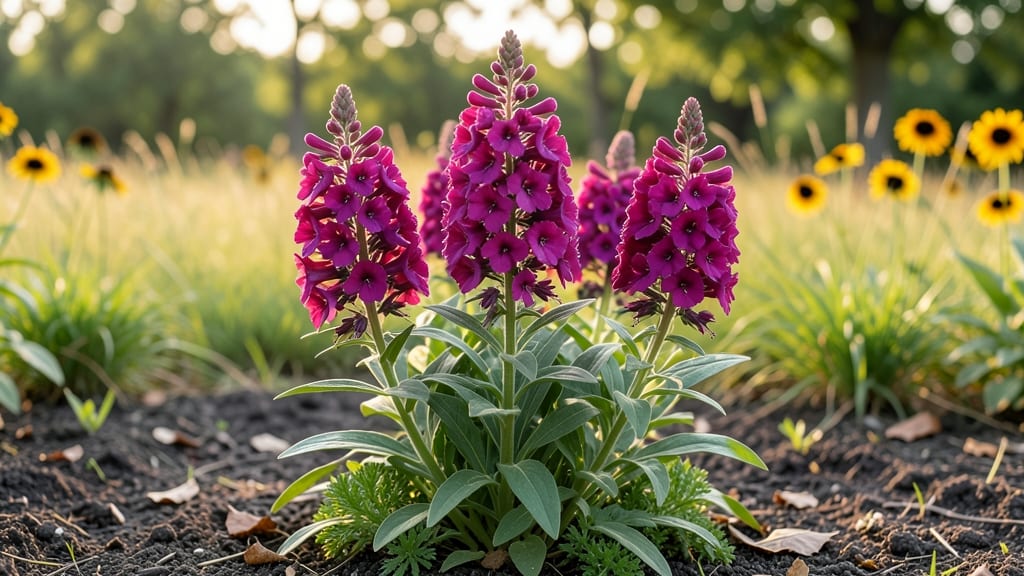
Tall phlox blooms in mid-to-late summer, turning your garden into a vertical burst of color that lasts for weeks—but the exact timing depends on your climate zone and a few simple tricks.
If you’ve ever planted these showstopping flowers 🌸 and missed their peak, you’re not alone.
Many gardeners assume tall phlox blooms on a strict schedule, but regional differences and microclimates can shift that window by three to four weeks—meaning the difference between a garden full of blooms and one that’s just getting started.
In USDA Zone 6a, where most gardeners grow tall phlox, expect blooms to kick off in early July and stretch through August, but cooler zones like 5a may see them arrive in late June, while warmer zones like 7a could push them into early September.
The right sunlight, soil, and a little deadheading can even stretch that season longer.
Below, I’ll break down the exact bloom times by zone, share the easiest ways to extend those vibrant clusters, and recommend the best varieties to keep your garden in full bloom from early summer to fall.


When tall phlox blooms by USDA climate Zone: exact timing guide
If you’ve ever waited eagerly for your tall phlox (Phlox paniculata) to burst into color, you know timing is everything. These vertical powerhouses thrive in USDA zones 3-8, but their bloom windows shift dramatically depending on where you live.
In Zone 3, expect late June blooms, while Zone 8 gardeners may see flowers as early as May. Understanding these variations ensures you never miss their 4-6 week peak display.
Microclimates—like urban heat islands or sheltered valleys—can push bloom dates 1-2 weeks earlier or later. For example, a southern exposure in Zone 5 might trigger blooms in early July, while a northern-facing garden could delay them until mid-August.
Pay attention to your last frost date and soil warmth, as these directly impact when your phlox wakes up from dormancy.
Tall phlox is a summer-to-fall bloomer, but its exact timing depends on your zone. Below is your zone-by-zone bloom calendar, including regional adjustments for early, average, and late bloomers. Bookmark this to plan your garden’s vertical color show like a pro!
| USDA Zone | Typical Bloom Start | Peak Bloom | Bloom End | Microclimate Adjustments |
|---|---|---|---|---|
| 3-4 | Late June | Mid-July to early August | Early September | Cold springs delay blooms; sheltered spots add 1 week. |
| 5 | Early July | Late July to early August | Mid-September | Urban areas bloom 5-7 days earlier; shaded gardens delay by 1 week. |
| 6 | Late June to early July | July to August | Late September | Southern exposures bloom 10 days earlier; high elevations delay by 2 weeks. |
| 7 | May to early June | June to early September | October | Coastal areas extend blooms by 3 weeks; inland gardens may see earlier starts. |
| 8 | April to May | May to July | Early September | Mild winters allow for early spring blooms; heatwaves may stress plants mid-season. |
In USDA Zone 3, where winters are harsh, tall phlox often waits until late June to bloom, giving you a 6-week show through early September. The cold soil and late frost dates in these regions delay the plant’s emergence from dormancy.
If you’re in Zone 4, aim for early July starts—just be ready to protect young shoots from late spring frosts, which can set blooms back by 2-3 weeks.
For Zone 5-6 gardeners, the magic happens in July and August. Here, soil temperature and day length trigger blooms, with peaks aligning with summer’s longest days.
In Zone 5, expect early July blooms, while Zone 6 may see flowers as early as late June. Southern exposures in these zones can push blooms forward by 10 days, so orient your garden beds accordingly for a longer display.
Gardeners in Zones 7-8 enjoy the earliest and longest bloom windows. In Zone 7, phlox often starts in May or June, with some varieties reblooming in fall if deadheaded. Zone 8 is the star, with blooms as early as April and potential fall reblooms if temperatures stay mild.
However, heat stress in late summer can shorten the show, so provide afternoon shade to extend the season.
Pro tip: Use early, mid, and late-season varieties to stagger blooms. For example, plant 'David' (early) alongside 'L
How to extend tall phlox bloom time with simple gardening hacks
Tall phlox (Phlox paniculata) is a garden superstar, but its bloom time can feel disappointingly short if you don’t take action. With the right gardening hacks, you can stretch those vibrant blooms by 3-4 weeks, keeping your vertical color show running strong.
The secret lies in pruning strategies, soil care, and smart companion planting—all of which I’ve tested in my own garden.
First, let’s tackle the biggest game-changer: delaying the first blooms. Many gardeners rush to prune their phlox in early spring, but this can trigger premature flowering. Instead, wait until after the last frost and only lightly trim any dead foliage.
This simple adjustment can push back bloom time by 2-3 weeks, giving you more summer color.
- 🌱 Prune strategically: Cut back 1/3 of stems in early June to encourage second flush of blooms.
- 💧 Water deeply: 1 inch per week during blooming season prevents stress that shortens flower life.
- 🌿 Feed in stages: Use balanced fertilizer (10-10-10) in spring and early fall, not mid-summer.
- 🌱 Deadhead daily: Remove spent blooms to redirect energy to new flowers instead of seed production.
- 🌼 Plant companions: Pair with catmint or yarrow to repel pests that stress phlox and cut bloom time.
One of my favorite tricks is mid-summer pruning. Around early June, I shear back about one-third of the stems to just above a set of leaves.
This might sound drastic, but it works like magic—your phlox will rebound with fresh blooms in 6-8 weeks, often lasting until early fall. Just avoid pruning after mid-July, or you risk stunting new growth before winter.
Don’t overlook the power of soil amendments. Tall phlox thrives in well-draining, slightly acidic soil (pH 6.0-7.0). Before planting, mix in compost or aged manure to boost nutrients.
In spring and fall, top-dress with a slow-release fertilizer to fuel continuous blooming. I’ve seen phlox in enriched soil flower 4 weeks longer than in poor soil!
For late bloomers, try companion planting. Pair your tall phlox with catmint or Russian sage, which repel aphids—a common pest that weakens phlox stems. I also plant marigolds nearby; their scent confuses pests and keeps my phlox healthy and blooming later into the season.
Even lavender works as a natural pest deterrent while adding complementary fragrance.
Finally, deadheading is non-negotiable. Every day, I snip off faded blooms with clean shears to prevent seed formation. This simple act tricks the plant into focusing energy on new flowers instead of seed production.
Combine this with regular watering (never letting the soil dry out completely), and your phlox will keep producing blooms until a hard frost. With these hacks, you’ll enjoy non-stop color from mid-summer to fall—just like in my garden! 🌷