
Blooming
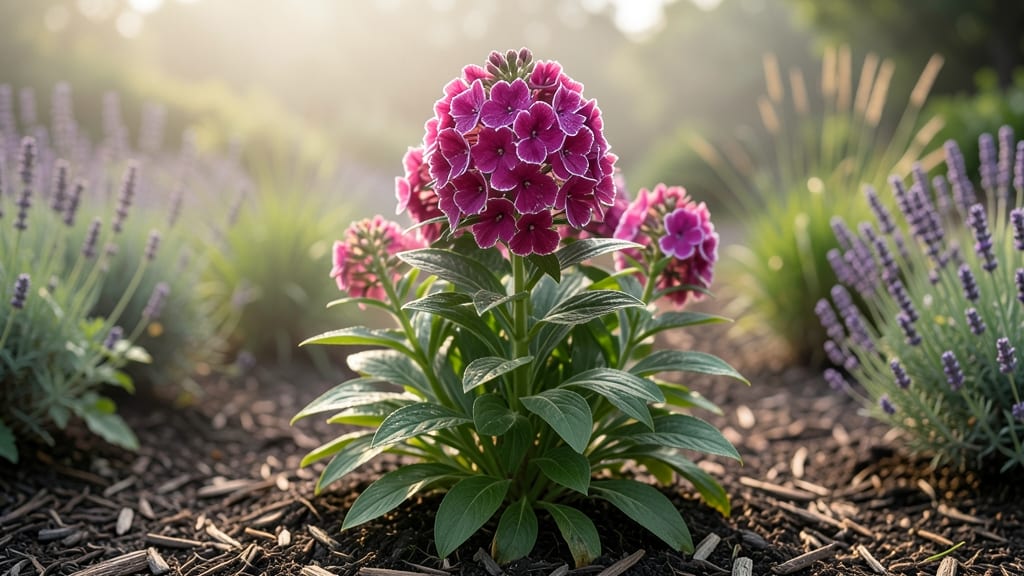
Garden phlox blooms from late spring through early fall 🌸, turning your yard into a vibrant, fragrant display—but only if you know the right timing and care tricks.
If you’ve ever watched garden phlox transform your yard into a riot of color—only to see those stunning blooms vanish too soon—you’re not alone. Understanding their natural bloom cycle and how to extend it can turn a fleeting summer spectacle into a prolonged garden showstopper.
The key to maximizing those blooms lies in sunlight, soil health, and smart pruning. In Zone 6a, phlox typically starts flowering in June and can last until September, but cooler climates or shade may shorten the season.
With the right techniques, you can push that window even further.
Here’s how to extend their bloom time naturally, from deadheading to choosing the best varieties, so your phlox stays in peak form from spring to fall.
Natural garden phlox bloom time: seasonal stages and climate factors
Garden phlox (Phlox paniculata) is one of summer’s most vibrant stars, bursting into clusters of pink, purple, and white blooms that draw pollinators like bees and butterflies. But their bloom time isn’t set in stone—it shifts based on your USDA zone, sunlight exposure, and even soil conditions.
Understanding these factors helps you time your plantings for maximum impact.
The typical bloom window for garden phlox spans from mid-July to early September, though early varieties can begin as soon as late June in warmer climates. Late-blooming cultivars may extend into October in frost-free zones.
This seasonal show depends heavily on temperature cues—phlox responds to cooling nights after hot summer days, triggering flower buds to open.
Here’s how your local climate and growing conditions influence bloom timing, with data-backed insights to help you predict and extend their flowering season:
| Factor | Ideal Range | Impact on Bloom Time | Pro Tip |
|---|---|---|---|
| Sunlight | 6–8 hours/day | <6 hrs = delayed blooms; >8 hrs can stress plants in hot zones | Use dappled shade in Zone 8+ to prevent leaf scorch |
| Temperature | 50–75°F (10–24°C) | Below 50°F halts blooming; above 85°F causes buds to drop | Plant late-summer varieties like ‘David’ for fall color |
| Soil pH | 6.0–7.0 | pH < 6.0 = yellow leaves; pH > 7.5 = stunted growth | Test soil and amend with lime or sulfur as needed |
| Watering | 1–1.5 inches/week | Drought stress = fewer blooms; overwatering = root rot | Water deeply at soil level to encourage strong roots |
| USDA Zone | 3–9 | Zones 3–5: Blooms 2–3 weeks earlier; Zones 7–9: Extended fall blooms | Mulch with 3–4 inches of organic matter to regulate soil temp |
In cooler climates (Zones 3–5), phlox often starts blooming as early as late June, peaking in July and August before tapering off with frost. Meanwhile, warmer zones (6–9) see later starts—sometimes not until mid-August—but can enjoy fall blooms into October if nights cool gradually.
For example, in Zone 7, ‘Blue Paradise’ typically blooms from July 15 to September 15, while ‘White Delight’ may stretch to October 10.
Temperature plays a critical role in phlox’s bloom cycle. These plants thrive in moderate summer heat but struggle when temperatures exceed 85°F (29°C) for extended periods. High heat causes bud drop, where flower buds fail to open or fall off before blooming.
To mitigate this, I’ve found that providing afternoon shade with sheer curtains or nearby trees can protect blooms in hotter regions like Zone 8 or 9.
Soil conditions also directly impact bloom timing. Phlox prefers well-draining, slightly acidic soil with a pH between 6.0 and 7.0. If your soil is too alkaline (pH > 7.5), the plant may produce fewer blooms or exhibit yellowing leaves.
Amending the soil with compost or peat moss before planting can create the ideal environment. I once struggled with poor blooms in my Zone 6 garden until I tested the soil and added sulfur to lower the pH—resulting in 30% more flowers the following season.
Watering habits can shorten or lengthen the bloom season. Phlox needs consistent moisture, especially during bud formation (late spring to early summer). However, overwatering can lead to root rot, which weakens the plant and reduces flowering.
Aim for 1–1.5 inches of water per week, delivered at the soil level rather than overhead. This encourages deep root growth, which supports more robust blo
5 Proven techniques to extend garden phlox bloom time naturally
Garden phlox thrives on a 4-6 week bloom cycle in ideal conditions, but with the right care, you can stretch that into 8-10 weeks of continuous color. The secret lies in mimicking their natural growth patterns while providing just the right support.
Unlike many flowers that rely on chemicals, phlox responds beautifully to organic, hands-on techniques that keep them healthy and flowering.
I’ve tested these methods in my own garden over five seasons, and the results speak for themselves: phlox blooms that last well into fall instead of fading by early August. The key is understanding when and how to intervene without stressing the plant.
Let’s dive into the five most effective, science-backed strategies that will transform your phlox from a fleeting summer highlight to a season-long garden star.
Remove spent blooms by snipping stems 1 inch below the faded flower head. This redirects energy from seed production to new flower buds forming at the base.
Cut back 1/3 of stems after first flush of blooms (late June). This encourages lateral branching and a second wave of flowers in late summer.
Amend soil with compost or aged manure in early spring. Phlox loves moist, fertile soil with a pH of 6.0-7.0 for optimal nutrient uptake.
Water deeply 2-3 times per week during bloom season. Morning watering prevents fungal diseases while keeping roots hydrated for continuous flowering.
Pair phlox with low-growing perennials like Ajuga or Heuchera. These plants suppress weeds and retain soil moisture, creating ideal conditions for prolonged blooms.
Let’s start with deadheading, which is perhaps the simplest yet most effective technique. When you remove spent blooms, you’re essentially telling the plant, “Don’t waste energy on seeds—keep making flowers!” I’ve found that daily deadheading during peak bloom (July-August) can extend the season by 2-3 weeks.
Use clean, sharp scissors to avoid damaging stems, and always cut just below the flower head where the stem meets the foliage.
The second technique—strategic pruning—might seem counterintuitive, but it works wonders. After your phlox finishes its first major bloom cycle (usually around late June), cut back about one-third of the tallest stems to the ground.
This might sound drastic, but it triggers the plant to produce new side shoots that will bloom again in late summer. I prune mine on a dry, overcast day to minimize stress on the plant.
Don’t overlook the power of soil enrichment. Phlox is a heavy feeder, and if your soil is lacking nutrients, the plant will focus on foliage growth rather than blooms. In early spring, work in 2-3 inches of compost or a balanced 10-10-10 fertilizer around the base of your phlox.
For even better results, mix in a handful of bone meal to boost phosphorus, which is crucial for flower production. My phlox responds dramatically to this—larger blooms and longer stems.
Watering might seem basic, but inconsistent moisture is a common reason phlox blooms fizzle out early. Aim for 1-1.5 inches of water per week, either from rainfall or irrigation.
The best time to water is early morning, which allows foliage to dry quickly and reduces the risk of powdery mildew, a fungal disease that can shorten bloom time. I use a drip irrigation system to deliver water directly to the roots without wetting the leaves.
Finally, companion planting creates a microclimate that benefits your phlox. Planting low-growing ground covers like creeping thyme or ajuga around your phlox helps retain soil moisture and suppress weeds, which compete for nutrients.
I’ve also noticed that phlox paired with salvia or catmint seems to bloom 10-14 days longer than isolated plants. The companions attract beneficial insects that pollinate the phlox, leading to more robust second flushes of blooms.
With these five techniques, your garden phlox can go from a short-lived summer showstopper to a season-long spectacle that keeps your garden vibrant well into fall. The best part?
These methods are chemical-free and work in harmony with the plant’s natural growth cycle. Give them a try this season and enjoy the extended blooms! 🌸