
Blooming
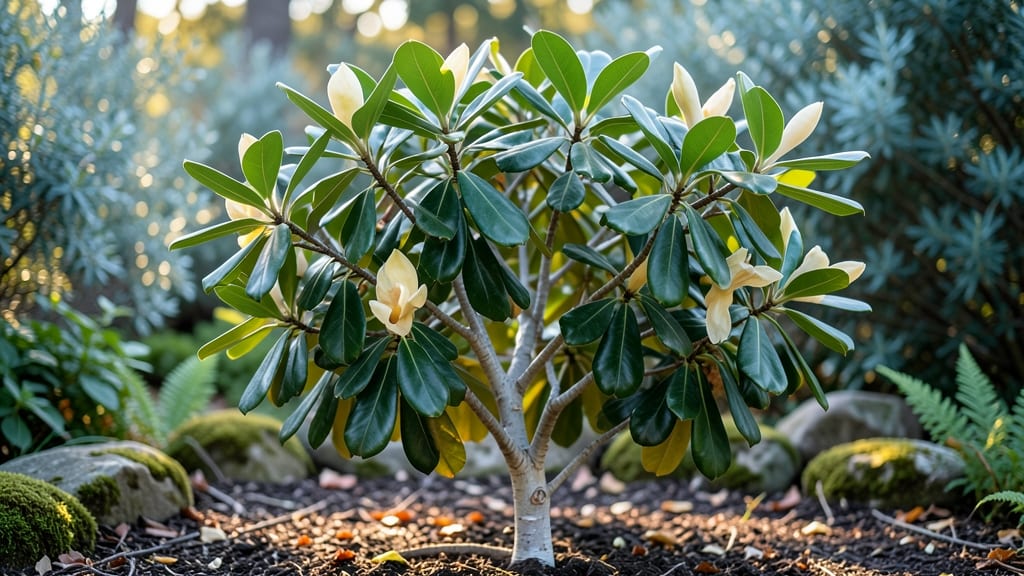
The sweetbay magnolia blooms in late spring to early summer 🌸, but its exact timing can shift based on where you live in the Southern U.S.
If you love the intoxicating fragrance of sweetbay magnolia blooms but struggle with their unpredictable timing, you're not alone—this evergreen favorite can be finicky about when it decides to show off its creamy-white flowers.
Down in Florida, blooms often start as early as March, while gardeners in the Carolinas might not see them until May. The difference? Humidity, soil, and even last year’s pruning can push those delicate flowers weeks earlier or later.
Here’s how to read your tree’s signals, adjust care for longer bloom seasons, and protect those flowers from late frosts—so you can enjoy that signature sweetbay scent for weeks, not just a few fleeting days.
Sweetbay magnolia bloom time: natural seasons & climate factors in the Southern U.s.
The sweetbay magnolia (Magnolia virginiana) is famous for its fragrant, creamy-white blooms that perfume Southern gardens. But unlike its cousin, the Southern magnolia, its bloom timing can vary widely based on climate and region.
In the Southern U.S. (Zones 7-10), blooms typically appear in late spring to early summer, but exact timing depends on where you live and local conditions.
In Florida and coastal Georgia, sweetbay magnolias often bloom as early as March, taking advantage of mild winters and warm coastal breezes. Further north in the Carolinas and Alabama, blooms usually arrive in April or May, aligning with the last frost dates.
Even in Zone 10, where winters are nearly frost-free, blooms may stretch into June.
Temperature is the biggest factor—cool winters followed by steady 60-70°F days trigger blooming. Humidity also plays a role: high humidity in Florida and the Gulf Coast can delay blooms slightly, while drier inland climates (like North Carolina Piedmont) may see earlier flowering.
Sunlight matters too. Sweetbay magnolias thrive in partial shade, which helps them avoid the stress of hot afternoon sun that can delay blooming. In shadier landscapes, like those near dense forests, blooms may appear 1-2 weeks later than in sunnier locations.
If you’re in Zone 7, like parts of North Carolina or Tennessee, watch for last frost dates—blooms often appear 2-3 weeks after the final frost.
In Zone 10, where winters are nearly frost-free, sweetbay magnolias may even produce a second flush of blooms in fall, especially if summers are hot but not drought-stressed.
Humidity also affects bloom quality. In high-humidity zones like Florida, blooms may last only 5-7 days due to faster wilting. In drier climates (like South Carolina Piedmont), blooms can linger 10-14 days, offering a longer show.
To extend bloom time, ensure your tree gets consistent moisture but avoid waterlogging.
For gardeners in Zone 8-9, like coastal Georgia or the Florida Panhandle, pruning after blooming can encourage thicker growth and more abundant flowers next season. Remove dead or crossing branches in late summer to redirect energy toward blooms.
Avoid heavy pruning in fall or winter, as this can stress the tree and delay spring blooms.
One pro tip: If your sweetbay magnolia isn’t blooming by late May, check for nutrient deficiencies. A soil test can reveal if your tree needs iron or nitrogen.
Apply a balanced fertilizer (10-10-10) in early spring to boost bloom production. Just avoid over-fertilizing—too much nitrogen can lead to leafy growth at the expense of flowers.
Finally, protect young trees from late frosts. If a 28°F frost is forecasted in Zone 7-8, cover blooms with frost cloth to prevent damage. This small step can mean the difference between a bare branch and a fragrant spring display.
By understanding your local climate and adjusting care accordingly, you can help your sweetbay magnolia bloom earlier, longer, and more reliably—turning your garden into a scented paradise every spring. 🌸
How to extend sweetbay magnolia bloom time: pruning, fertilizing & care tips
To extend your sweetbay magnolia bloom time, start with the right pruning schedule. These trees bloom on old wood, meaning last year’s growth produces this year’s flowers. Prune immediately after blooming (late spring to early summer) to avoid cutting off next year’s flower buds.
Remove only dead, diseased, or crossing branches—never more than 25% of the canopy at once.
For longer-lasting blooms, focus on soil health. Sweetbay magnolias thrive in acidic, well-draining soil (pH 5.0-6.0). Conduct a soil test in early spring and amend with compost or peat moss if needed.
A balanced fertilizer (10-10-10) applied in early March provides essential nutrients without overstimulating leafy growth at the expense of flowers.
Watering plays a critical role in bloom duration. Deep water once weekly during bloom season to maintain consistent moisture without waterlogging. In high-humidity zones like Florida, blooms may wilt faster—mulch the base with 2-3 inches of organic mulch to retain moisture and regulate soil temperature.
⚠️ WARNING: Common Mistakes That Shorten Bloom Time ⚠️
Cutting back in fall or winter removes next year’s flower buds, delaying or eliminating blooms. Always prune after blooming.
⚠️ Over-Fertilizing with NitrogenToo much nitrogen promotes leafy growth but reduces flower production. Stick to a balanced 10-10-10 formula.
⚠️ Ignoring Soil pHAlkaline soil (pH >7.0) locks out iron and manganese, causing yellow leaves and weak blooms. Test and amend as needed.
⚠️ Late Frost DamageBlooms are frost-sensitive. Cover young trees with frost cloth if a 28°F frost is forecasted in Zone 7-8.
Adjust care based on your local climate. In drier regions (like North Carolina Piedmont), water deeply every 5-7 days to prevent stress. In humid zones (like Florida), improve air circulation by thinning dense foliage and avoid overhead watering to prevent fungal diseases that can shorten bloom life.
For second blooms in fall, provide consistent care through summer. Avoid heavy pruning and maintain moderate moisture. In Zone 10, where winters are mild, sweetbay magnolias often produce a fall rebloom if given proper conditions—think of it as a bonus reward for your efforts!
By following these seasonal adjustments, your sweetbay magnolia can reward you with longer, more abundant blooms year after year. The key is patience and consistency—just like nurturing any prized garden star. 🌿