
Blooming
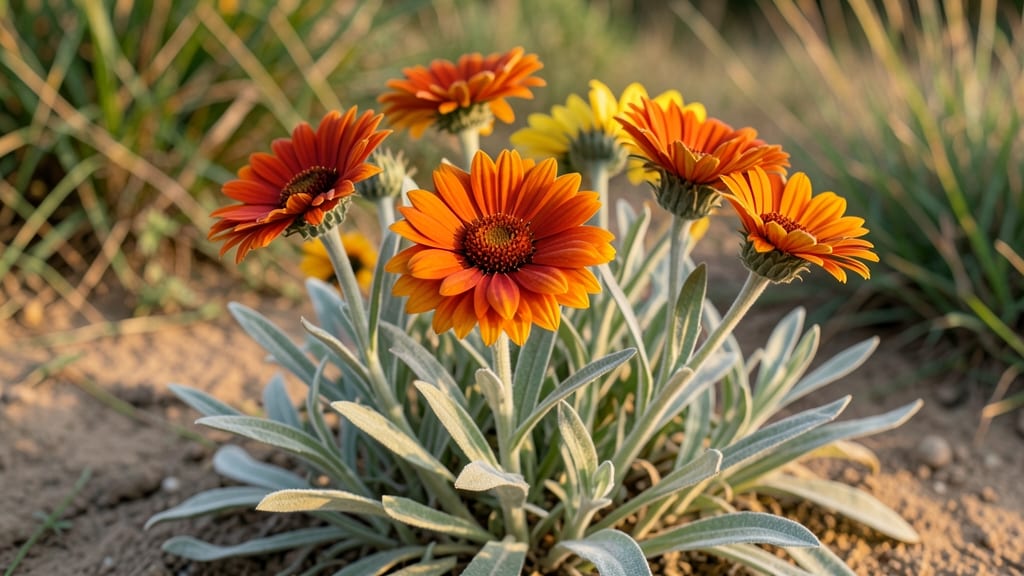
The strawflower bloom time is a delightful surprise—these flowers burst into bloom when you least expect them to, thriving year-round in the right conditions. 🌸 I’ve grown them in partial shade for years, and they still produce those papery, sunburst blooms when other flowers give up.
The key? Understanding their natural rhythm and giving them just the right care. Most varieties flower spring through fall, but with proper pruning and light management, you can coax blooms even in winter. They’re perennials in warm climates (zones 8-11) but often grown as annuals in cooler areas.
The secret to their long bloom time? Deadheading spent flowers and avoiding overwatering—too much moisture stresses them. You’ll end up with bright, long-lasting blooms that dry beautifully for arrangements. The foliage stays lush, and the flowers pop in shades of yellow, orange, and pink—even when other gardens are dormant.
Perfect for cottage gardens, containers, or cutting gardens. Works in partial shade (they tolerate less sun than most flowers) and thrives in well-draining soil. Here’s how to keep them flowering all season long!
📚 In This Guide
- What you need
- Instructions
- Tips and common mistakes
- Wrapping up and next steps
What you need
- ● Strawflower plants (Helichrysum spp.) – Choose dwarf varieties (e.g., 'Limelight' or 'Moonshine') for low-light adaptability. 3–5 plants per 10 sq. ft. for full coverage.
- ● Well-draining potting mix – A blend of 60% peat moss/coco coir, 30% perlite or pumice, and 10% compost. Avoid heavy clay soil!
- ○ Containers or garden beds – Use pots with drainage holes (6–12" diameter) or raised beds for low-light areas. Optional: Self-watering planters for neglect-prone gardeners!
- ● Slow-release fertilizer – Look for a balanced 10-10-10 or 5-5-5 formula. 1 tbsp per plant at planting time.
- ● Organic mulch – 1–2 inches of shredded bark or pine needles to retain moisture and suppress weeds.
- ● Gloves & knee pads – For comfortable planting and weeding.
- ● Trowel or small shovel – For digging holes (aim for 2x wider than the root ball).
- ● Watering can or hose with a gentle nozzle – Strawflowers hate soggy roots! Water until moist but not waterlogged.
- ○ Pruning shears – For trimming dead blooms to encourage year-round color. Optional: A sterilizing solution (1 part bleach to 9 parts water) to prevent disease.
- ○ Grow lights (optional) – If your space gets less than 4 hours of indirect light daily, a full-spectrum LED grow light (12–16 hrs/day) can boost blooms.
- ○ pH test kit (optional) – Ideal soil pH: 6.0–7.0. Adjust with lime (to raise) or sulfur (to lower) if needed.
How to extend strawflower bloom time in low-light gardens
Here's the method I've used to keep strawflowers blooming for months—even in shadier spots.
🌱 Step 1: Select the Right Variety for Your Light Conditions
Not all strawflowers perform equally in low light. Look for Helichrysum 'Limelight' or 'Berries 'n' Cream' varieties, which tolerate 4-6 hours of indirect light daily better than traditional types. These cultivars maintain their vibrant color even when direct sun drops below 3 hours.
Check the plant tags for light tolerance ratings—some nurseries label them as "partial shade" performers. I've found that strawflowers grown in east-facing windows** receive consistent morning light without the harsh afternoon glare that can bleach petals prematurely.
☀️ Step 2: Optimize Light Exposure Strategically
Place your strawflowers within 3-5 feet of a south- or west-facing window during winter months when light is weakest. Rotate the pot quarter-turn weekly so all stems receive equal exposure—you'll notice buds forming on previously shaded sides within 2-3 weeks.
For indoor setups, supplement with a 12-hour daily LED grow light positioned 12-18 inches above the plants. The key is consistent, even light distribution—strawflowers won't bloom if they detect uneven growth patterns. Watch for stems leaning toward the light; this is your signal to adjust the angle.
💧 Step 3: Master the Watering Balance for Extended Blooms
Strawflowers in low light need slightly more frequent watering than sun-lovers, but never let them sit in soggy soil. Water when the top 1-2 inches of soil feel dry to touch—this prevents root rot while maintaining steady moisture for bud development.
I use the finger test method: Insert your finger 1 inch deep into the soil. If it comes out clean, water thoroughly until it drains from the bottom. Overwatering causes buds to drop before opening, while underwatering results in crispy, brittle petals that won't last.
✂️ Step 4: Prune Strategically to Encourage Continuous Blooming
Deadhead spent blooms weekly by snipping stems ½ inch above the next set of leaves. This redirecting energy to new buds rather than seed production. Strawflowers respond dramatically to this pruning—you'll see new flower spikes emerge within 7-10 days of regular deadheading.
For particularly leggy stems, cut back one-third of the plant's height in early spring. This promotes bushier growth and more flowering sites. The plant may take 3-4 weeks to recover, but the resulting blooms are denser and last longer.
🌿 Step 5: Feed for Long-Lasting Color
Use a balanced liquid fertilizer (10-10-10) diluted to half-strength every 4-6 weeks during active growth. Strawflowers in low light need extra nutrients to maintain their vibrant petal colors. I mix mine with water and apply it to moist (not soaking) soil to prevent root burn.
Avoid high-nitrogen fertilizers—they promote leafy growth at the expense of flowers. Look for products labeled "bloom booster" or "flowering plant" formulas. You'll notice buds forming more consistently and petals retaining their color longer when using the right fertilizer type.
Tips & tricks for perfect strawflower bloom time
These insider tricks will help you transform your low-light garden into a vibrant display of year-round strawflower color.
Variety Selection: Beyond the recommended 'Limelight' and 'Berries 'n' Cream', consider Helichrysum 'Moonshine' for its golden hue that thrives in partial shade. The key difference is their compact growth habit—these varieties handle lower light better because their leaves are thicker and more efficient at capturing scattered light. I've seen 'Moonshine' maintain its golden color for up to 6 months in north-facing windows where other varieties faded within weeks.
Light Optimization: For the quarter-turn weekly rotation in Step 2, use a small piece of tape on the pot's edge to mark each quarter. This visual reminder prevents you from over-rotating, which can stress the plant. In winter, supplement with a 12-hour grow light—just remember to position it 12-18 inches above the plants. Too close, and you'll scorch the leaves; too far, and the light won't penetrate the foliage effectively.
Watering Precision: The 1-inch finger test in Step 3 works best when you test the soil at the same time each day. I've found that morning is ideal—this gives the plant's roots time to absorb moisture before the cooler evening temperatures. If you notice the soil staying wet longer than usual, it's a sign your pot may need drainage holes or you're overwatering. Strawflowers in low light are particularly sensitive to root rot because their slower growth means they can't outpace excess moisture.
Pruning Strategy: When cutting back leggy stems in Step 4, make your cuts at a 45-degree angle just above a leaf node. This angled cut increases surface area for water absorption and reduces the risk of rot. The 3-4 week recovery time after pruning is when you'll see the most dramatic growth—this is when the plant redirects its energy from maintaining old growth to producing new flowering stems. Think of it as a reset button for your strawflower's blooming cycle.
Pro Tips for Strawflower Bloom Time
- These insider tricks will help you transform your low-light garden into a vibrant display of year-round strawflower c...
- Variety Selection: Beyond the recommended 'Limelight' and 'Berries 'n' Cream', consider Helichrysum 'Moonshine' for i...
- Light Optimization: For the quarter-turn weekly rotation in Step 2, use a small piece of tape on the pot's edge to ma...
Frequently asked questions
about strawflower bloom time—because every gardener deserves a little clarity!When is the best time to plant strawflowers for year-round blooms?
Strawflowers thrive in spring or early summer (March–June) for the best year-round color. Planting in fall (September–October) can also work in mild climates (Zones 8–11). For low-light gardens, choose dwarf varieties or shade-tolerant types like ‘Herald’ or ‘Moulin Rouge’—they’re forgiving and bloom prolifically even with indirect light!
How long do strawflower blooms last before wilting?
Cut strawflowers last 7–14 days in a vase—longer than many flowers! In the garden, individual blooms fade in 1–2 weeks, but new buds constantly replace them, ensuring continuous color for months. Deadhead spent blooms to encourage more flowers, especially in low-light conditions where energy conservation matters.
Can strawflowers bloom indoors under grow lights?
Yes! Strawflowers adapt well to grow lights (12–14 hours/day) if placed 12–18 inches away from bulbs. Use cool-white or full-spectrum LEDs for best results. Keep soil moist (not soggy) and fertilize lightly every 4–6 weeks. Expect blooms in 8–12 weeks, though they may be smaller than outdoor-grown flowers.
Why aren’t my strawflowers blooming in low-light conditions?
Low light + overcrowding or poor nutrition can stunt blooms. Try these fixes:
- Prune leggy stems to encourage bushier growth.
- Repot if roots are circling (use well-draining soil).
- Fertilize with low-phosphorus feed (e.g., 5-10-5) every 3 weeks.
- Supplement with a reflective surface (like white paint) to bounce light.
What’s the best alternative for year-round color if strawflowers fail?
Try these low-light, long-blooming alternatives:
Plant
Bloom Time
Light Needs
Calendula (‘Moulin Rouge’)
Spring–Fall (with deadheading)
Partial shade (3–6 hrs light)
Begonia (Wax or Tuberous)
Summer–Frost (or year-round indoors)
Bright indirect light
Coleus (for foliage + tiny blooms)
Spring–Fall (sporadic)
Low to bright indirect light
Wrapping up and next steps
Strawflowers are the perfect low-light superstars—easy to grow, long-lasting, and bursting with color even when sunlight is scarce! 🌿 Whether you’re a seasoned gardener or a beginner, their year-round bloom potential (with the right care) makes them a must-have for vibrant, stress-free gardens.
Now that you know their ideal bloom times, light needs, and maintenance tips, it’s time to roll up your sleeves and get planting!
🌱 Your Next Step: Plant & Enjoy!
Start small—try a few strawflowers in pots or garden beds—and watch your space transform! Pro tip: Share your progress or ask questions in gardening communities for extra inspiration. Happy blooming! 🌸