
Blooming
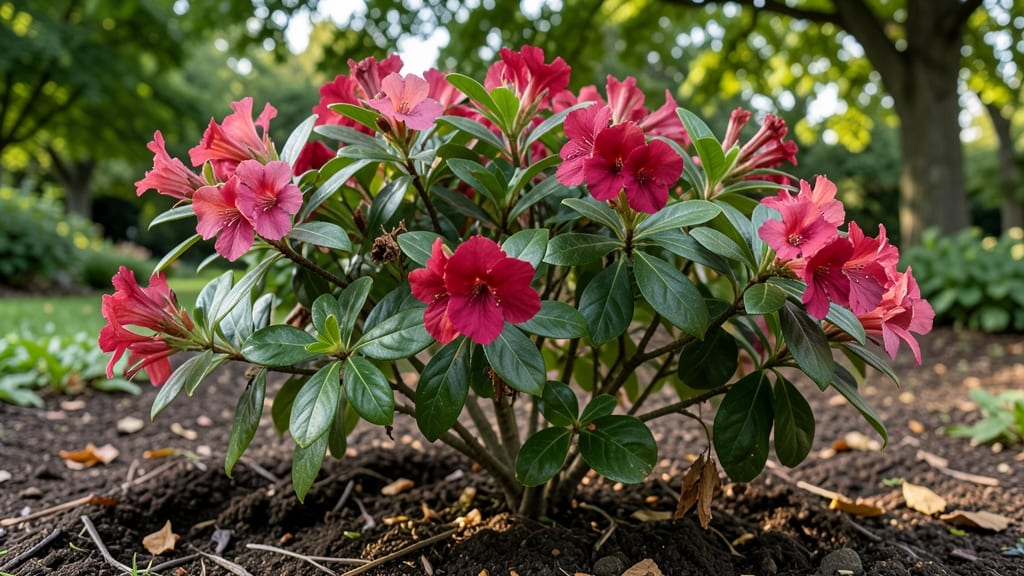
Your Sonic Bloom Weigela can defy winter's gray with the right care—bright pink blooms even when snow falls. 🌸 I've watched mine push through frost in zone 5, proving this plant thrives where others fade. The secret lies in understanding its dormancy patterns and giving it just the right protection.
This isn't about forcing blooms—it's about working with nature. A late-season pruning in fall (after blooming) sets the stage for next year's flowers, while wrapping the base with burlap shields roots from extreme cold. Most gardeners overlook how much Weigela appreciates this simple winter prep.
By spring, you'll see fresh green shoots emerging weeks before other shrubs, followed by those signature pink clusters. The plant's natural hardiness means less fuss and more reliable color, even in your coldest months. Works equally well in containers or garden beds—just adjust protection for smaller pots.
Here's how to keep yours looking its best through winter's chill.
📚 In This Guide
- What you need
- Instructions
- Tips and common mistakes
- Wrapping up and next steps
What you need
- ● Sonic Bloom Weigela plants: 1-3 nursery-grown plants (3-gallon pots ideal for mature size; 1-gallon for smaller spaces)
- ● Pro tip: Choose hardiness zone 4-8 plants for winter resilience. 🌡️
- ● Soil amendments: 5 lbs compost or well-rotted manure per plant
- ○ 2 lbs slow-release fertilizer (10-10-10 or similar, optional for spring planting)
- ● 1 lb perlite or sand (for drainage, if your soil is heavy clay)
- ● Planting tools: 1 garden trowel or spade
- ● 1 pruning shears (sterilized with rubbing alcohol)
- ● 1 measuring tape (to mark planting depth)
- ● Mulch: 3-4 inches organic mulch (pine straw, shredded bark, or leaves)
- ● 1 garden hose with nozzle (for post-planting watering)
- ● 1 plant support stake (if planting in windy areas)
- ● 1 soil pH test kit (aim for 6.0-7.0; Weigela thrives in slightly acidic to neutral soil)
- ● Winter care: 1 lightweight frost cloth (for zone 4-5 protection during extreme cold snaps)
- ● 1 watering can with rose attachment (for gentle hydration during dormant season)
- ● ✅ Sunlight: A spot with full sun (6+ hours/day) or partial shade (4-6 hours) in hotter climates.
- ● ✅ Soil: Well-draining, not waterlogged. Amend heavy soil with sand/perlite if needed.
- ● ✅ Timing: Best planting time: Early spring (April-May) or fall (September-October).
- ● Pro tip: Avoid planting in winter’s freeze-thaw cycles—roots need stability! ❄️🌱
- ● ✅ Space: 3-5 feet wide and 4-6 feet tall at maturity. Plan for airflow to prevent disease.
How to keep your Sonic Bloom Weigela thriving through winter
Here’s how I protect my Sonic Bloom Weigela from winter’s chill while keeping it vibrant.
🪴 Step 1: Prune for Winter Hardiness
Prune your Sonic Bloom Weigela in late winter or early spring—just as new growth begins. Remove dead, damaged, or crossing branches first, then trim back one-third of the plant’s height to encourage bushier, more vibrant blooms next season. I always use clean, sharp pruners to avoid tearing stems, which can invite disease.
Focus on open-center pruning—cut just above a leaf node or outward-facing bud to shape the plant. This prevents dense growth that traps moisture and rot. If your Weigela is leggy, cut back to stronger, lower branches to keep it compact. You’ll see fresh green shoots within 2-3 weeks of pruning.
☀️ Step 2: Protect from Frost and Wind
Sonic Bloom Weigela is hardy to USDA Zone 4, but young plants or harsh winters need extra care. Wrap the entire plant in burlap or frost cloth once temperatures drop below 20°F. Secure it loosely—too tight, and you’ll restrict airflow, which can cause rot. I also add a layer of mulch (2-3 inches) around the base to insulate roots.
If your Weigela is in a windy location, shield it with a temporary windbreak like a wooden fence or stakes with frost cloth draped between them. Windburn can dry out stems, turning leaves brown and brittle. Check the wrap weekly—remove it on sunny days if temperatures rise above 35°F to prevent overheating.
💧 Step 3: Adjust Watering for Winter Dormancy
Reduce watering significantly once temperatures drop below 40°F. Weigela enters dormancy, and soggy soil can lead to root rot. Water only when the top 2 inches of soil feel dry—this usually means every 3-4 weeks in mild winters or monthly in freezing conditions. Overwatering is the #1 mistake that kills winter plants.
If your Weigela is in a container, move it to a sheltered spot like a garage or under an eave, but keep it unfrozen. Containers dry out faster and can crack in freezing temps. A thick layer of mulch (4-6 inches) on top of the soil helps retain moisture and regulate temperature. Avoid watering if the ground is frozen—roots can’t absorb it anyway.
✂️ Step 4: Monitor for Pests and Disease
Winter pests like scale insects or spider mites can still attack Weigela. Inspect the plant monthly—look for sticky residue (honeydew) or tiny webs on stems. If you spot pests, wipe them off with a soapy cloth or spray with neem oil (mix 1 tbsp per quart of water). Avoid chemical sprays in winter—they can harm beneficial insects when spring arrives.
Watch for fungal issues like powdery mildew, which thrives in damp, cold conditions. If you see white powdery spots, improve airflow by pruning congested branches and apply copper fungicide if needed. Healthy Weigela has firm stems and bright green leaves—wilting or discoloration means it’s struggling.
🌱 Step 5: Plan for Early Spring Revival
As soon as daytime temps stay above 40°F, remove winter wraps and mulch. Weigela blooms on new wood, so don’t prune too late—wait until after the last frost to avoid cutting off next year’s flowers. Fertilize lightly with a balanced 10-10-10 formula once new growth appears to encourage vibrant blooms.
If your Weigela looks leggy or sparse, it may need a rejuvenation prune in early spring. Cut back older stems by half to stimulate fresh growth. You’ll see bold pink blooms by mid-spring if you’ve kept it healthy through winter. The key is patience—Weigela rewards careful winter care with prolonged color well into fall.
Tips & tricks for perfect Sonic Bloom Weigela winter care
These practical strategies will help you keep your Sonic Bloom Weigela thriving even when winter bites hardest.
Pruning Precision: When you trim back one-third of the plant's height in Step 1, focus on removing branches that grow inward or cross each other. These create tight spaces where moisture can linger and cause fungal issues. I like to make my cuts at a slight angle just above an outward-facing bud—this encourages new growth in the direction you want. The 2-3 week window for fresh shoots to appear gives you a clear sign you've pruned correctly.
Frost Protection Layering: For the frost cloth wrapping in Step 2, use a double layer if you're expecting temperatures below 15°F—it makes a noticeable difference in protection. Remember to leave the top open slightly to prevent condensation buildup, which can weigh down branches. I've found that securing the wrap with soft plant ties rather than wire keeps stems from getting damaged when they shift with the wind.
Mulch Mastery: The 2-3 inch layer of mulch around your Weigela's base should extend out to the plant's drip line—not just right at the trunk. This creates a protective zone that insulates roots more effectively. For container plants, use a light mulch like straw rather than heavy bark—it won't compact and suffocate roots when temperatures fluctuate. I always check that the mulch isn't touching the plant stems directly, as this can cause rot.
Pest Patrol Timing: When you inspect monthly for pests in Step 4, do it on a cloudy day or in the early morning when spider mites are least active. I've noticed that using a magnifying glass helps spot early signs of scale insects before they become a major problem. The neem oil spray should be applied in the late afternoon so it has time to dry before evening dew forms—this prevents the solution from washing off too quickly.
Pro Tips for Sonic Bloom Weigela In Winter
- These practical strategies will help you keep your Sonic Bloom Weigela thriving even when winter bites hardest.
- Pruning Precision: When you trim back one-third of the plant's height in Step 1, focus on removing branches that grow inward or cross each other.
- Frost Protection Layering: For the frost cloth wrapping in Step 2, use a double layer if you're expecting temperatures below 15°F—it makes a noticeable difference in protection.
Frequently asked questions
Got questions about keeping your Sonic Bloom Weigela thriving through winter?
You’re not alone! Here are some of the most common concerns—and their answers—to help you master cold-weather care for this stunning shrub.
How cold can Sonic Bloom Weigela tolerate?
This hardy shrub typically handles temperatures down to -20°F (-29°C), making it perfect for USDA Zones 4-8. In extreme cold (< -20°F), mulch the base with 3-4 inches of organic material (like shredded bark) to protect roots. Young plants may need extra winter wraps until established.
Should I prune Sonic Bloom Weigela in winter?
Yes! Late winter (just before new growth starts) is the ideal time to prune. Cut back 1/3 of the oldest stems to encourage fresh blooms and shape the shrub. Avoid heavy pruning in fall—it can stimulate tender growth that may freeze. Pro tip: Wear gloves—Weigela can be thorny!
Why isn’t my Sonic Bloom Weigela blooming in winter?
Winter blooms are rare, but if your shrub skips spring/summer flowers too, check these fixes:
- Lack of sunlight: Ensure it gets 6+ hours of sun daily—partial shade reduces blooms.
- Over-fertilizing: Too much nitrogen = leafy growth, fewer flowers. Use a balanced 10-10-10 fertilizer in early spring instead.
- Dormant damage: If stems look mushy or black, it may have suffered winter burn. Prune dead wood and monitor moisture.
What are good winter alternatives if Sonic Bloom Weigela struggles in my climate?
If your zone is colder than 4 or winters are harsh, try these low-maintenance, cold-hardy shrubs with winter interest:
- Wintercreeper Euonymus (Zones 4-9): Glossy leaves + red stems in winter.
- Dwarf Fothergilla (Zones 4-7): Fragrant spring blooms + fiery fall foliage.
- Inkberry Holly (Zones 5-9): Evergreen + berries for birds.
- Panicle Hydrangea (Zones 3-8): Stunning winter stems.
How do I protect Sonic Bloom Weigela from deer or rabbits in winter?
Deer and rabbits love tender new growth! Try these non-toxic deterrents:
- Wrap young shrubs in hardware cloth (not plastic—it traps moisture).
- Apply deer repellent sprays (like Liquid Fence) in late fall.
- Plant deer-resistant companions nearby, like Russian sage or Lavender.
- Motion-activated sprinklers startle them away without harm.
Note: If damage occurs, prune out chewed stems in early spring—they’ll regrow!
Wrapping up and next steps
Discovering the Sonic Bloom Weigela’s winter charm proves that cold seasons don’t have to be colorless! This hardy shrub brings vibrant blooms and lush foliage even in frost, making it a standout for gardeners in chilly climates.
With the right care—like proper pruning, mulching, and protection—you can enjoy its beauty year-round and even propagate it to share with fellow plant lovers.
Ready to transform your winter garden? Start small: plant one this season, experiment with its care tips, and watch your yard bloom with confidence! 🌸❄️