
Blooming
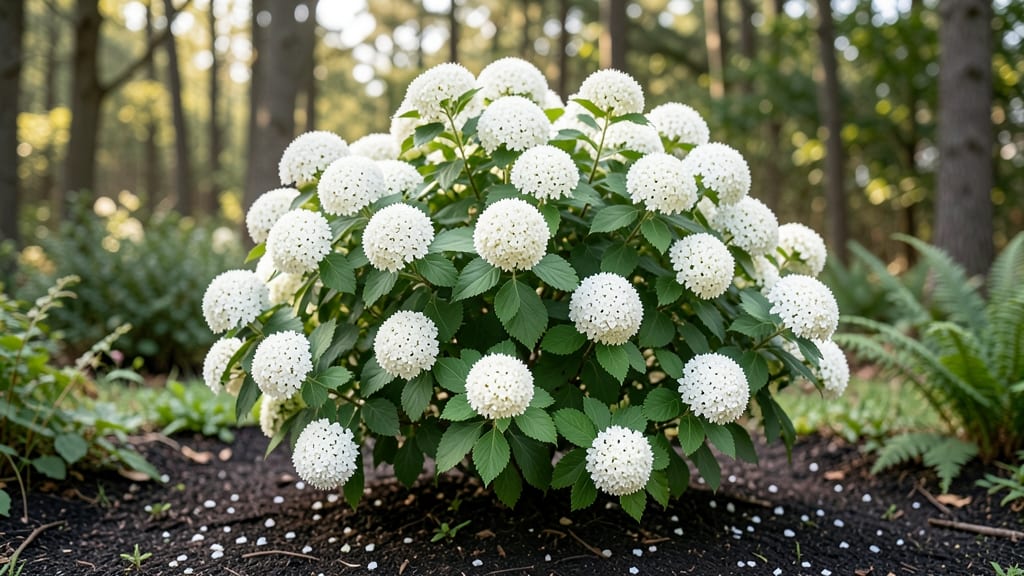
The snowball viburnum bloom time arrives when winter still lingers, transforming your yard into a frothy white wonderland before spring even arrives. 🌸 These clusters of delicate flowers appear in late winter to early spring—typically between February and April, depending on your zone.
In colder regions (Zones 3-5), expect blooms closer to March, while milder climates (Zones 6-8) may see them as early as February. The timing isn’t random—it’s all about sunlight, pruning, and patience.
Prune right after flowering to shape the shrub and encourage next year’s blooms, but avoid cutting back in fall or winter when buds form. A sunny spot with well-drained soil keeps them thriving, while too much shade or wet roots can delay—or even cancel—those iconic snowball clusters.
Once in bloom, the fragrance and texture make them a standout. The flowers stay showy for 3-4 weeks, long enough to brighten gray winter days and attract early pollinators. For best results, mulch around the base in late fall to protect roots from freezing and thawing cycles.
Pair this with a late-winter pruning session or a spring garden checklist to keep your viburnum looking its best for years. The payoff? A shrub that delivers winter color, spring fragrance, and summer berries—all with minimal fuss.
📚 In This Guide
- What you need
- Instructions
- Tips and common mistakes
- Wrapping up and next steps
What you need
- ● Snowball Viburnum Plant: Viburnum opulus (also called European cranberrybush) or Viburnum plicatum (Japanese snowball bush). Choose a healthy, established plant (3–5 years old) for best bloom performance.
- ● Well-draining soil: Mix of 50% topsoil, 30% compost, and 20% perlite or coarse sand (1 cubic yard per plant).
- ● Organic mulch: 3–4 inches of shredded bark, pine straw, or wood chips (spread in a 3-foot radius around the base).
- ● Slow-release fertilizer: 10-10-10 NPK ratio (1–2 pounds per plant, applied in early spring).
- ● Garden trowel or spade (for planting/pruning).
- ● Pruning shears (clean, sharp, bypass-style for precision cuts).
- ● Gloves (heavy-duty for thorny varieties like Viburnum opulus).
- ● Watering can or hose with nozzle (drip irrigation preferred for deep watering).
- ○ pH test kit (optional but helpful—ideal soil pH: 5.0–6.5).
- ● Sunlight: Full sun to partial shade (6+ hours of sunlight daily for optimal blooms).
- ● Hardiness zone: USDA Zones 2–8 (check your local climate compatibility!).
- ● Spacing: 6–10 feet apart (allows airflow and prevents disease).
- ● Water access: Consistent moisture during establishment year (first 12 months).
- ● Epsom salt (1 tbsp dissolved in gallon of water, sprayed on leaves monthly for magnesium boost).
- ● Neem oil spray (preventative for pests like aphids or scale).
- ● Staking system (for young plants in windy areas).
- ● Bloom-time tracker (journal or app to monitor your viburnum’s snowball viburnum bloom time trends!).
How to time snowball viburnum blooms for maximum winter interest
Here's how to ensure your shrub puts on its best show year after year.
☀️ Step 1: Understand the Ideal Planting Location
Snowball viburnum thrives in partial shade to full sun—at least 6 hours of sunlight daily for best blooms. I always plant mine where they get morning sun and afternoon shade, especially in hotter climates. The key is avoiding late afternoon sun, which can stress the plant before winter.
Look for spots with well-draining soil—these shrubs hate soggy roots. If your soil drains poorly, amend it with 2-3 inches of compost mixed into the top 12 inches of soil. You'll know you've got it right when water drains through the soil in about 15 minutes after watering.
🪴 Step 2: Plant at the Right Time for Strong Root Establishment
Plant snowball viburnum in early fall or late winter—this gives roots time to establish before the main growing season. Dig a hole twice as wide as the root ball but only as deep—the top of the root ball should sit 1 inch above ground level for proper drainage.
Gently loosen the roots if they're circling in the pot, then place the shrub in the hole. Backfill with native soil, tamping lightly to remove air pockets. Water deeply until the soil is evenly moist to a depth of 12 inches. Mulch with 2-3 inches of organic mulch (like shredded bark) to protect roots in winter.
✂️ Step 3: Prune Strategically to Encourage Abundant Blooms
Prune immediately after flowering—late May to early June—to shape the shrub and promote next year's blooms. Remove dead, diseased, or crossing branches first. Then cut back last year's growth by one-third to encourage new, vigorous shoots that will bear flowers.
Never prune in late summer or fall—this removes next year's flower buds. If you see leggy growth, prune those branches back to a strong lateral branch. You'll know you've pruned correctly when the shrub has an open, rounded shape with plenty of airflow through the center.
💧 Step 4: Water Consistently for Winter Resilience
Water deeply once a week during the growing season (spring through fall), ensuring moisture reaches 12 inches deep. In drought conditions, water every 4-5 days—snowball viburnum shows stress by drooping leaves, so don't wait until the soil is bone-dry.
Reduce watering in late fall and winter—only water if the soil feels dry 3 inches down. Overwatering in winter can lead to root rot, especially in heavy clay soils. A soil moisture meter helps avoid guesswork, but stick your finger in the soil—if it feels dry, it's time to water.
⏰ Step 5: Time Fertilization for Peak Bloom Performance
Fertilize in early spring (March) with a balanced, slow-release fertilizer (10-10-10). Scatter ½ cup around the drip line (the edge of the shrub's canopy) and water deeply to activate the granules. Avoid high-nitrogen fertilizers—they promote leafy growth at the expense of flowers.
Skip fertilizing in late summer or fall—this encourages tender new growth that won't harden off before winter. You'll see the best blooms when the shrub has deep green, glossy leaves and a compact, bushy shape by late spring.
Tips & tricks for perfect snowball viburnum bloom timing
These little details make all the difference between a modest display and showstopping winter blooms.
Location is Everything: That 6 hours of sunlight is non-negotiable for winter interest. I've seen shrubs planted in full sun wither by summer, while those with morning sun and afternoon shade thrive. If your yard gets intense afternoon heat, consider a spot near a northern-facing wall or under taller trees that provide dappled shade. The goal is to avoid the stress of hot afternoon rays while still getting enough light for photosynthesis.
Soil Test Before Planting: The 15-minute drainage test is your best friend. If water pools after 15 minutes, you've got drainage issues. For heavy clay soils, mix in 1 part compost to 2 parts native soil when amending the top 12 inches. I've seen snowball viburnums fail in soggy soil where they thrived after just this simple amendment. A soil test kit ($10 at garden centers) can tell you exactly what nutrients you might need to add too.
Pruning Precision: When you cut back last year's growth by one-third in late May-June, make your cuts just above a healthy bud. I use sharp loppers to avoid tearing the bark. The key is to create an open center that allows light and air to circulate—this prevents fungal issues and encourages more flower buds. If you're unsure which branches to cut, remove any that are crossing or growing inward first, then thin out the oldest stems to make room for new growth.
Winter Watering Wisdom: That "only water if soil feels dry 3 inches down" rule changes in winter. In freezing climates, I actually stop watering entirely once the ground freezes, as frozen soil can't absorb moisture anyway. In milder winters, a light watering every 3-4 weeks prevents desiccation. The real danger is overwatering when the ground is frozen—this can suffocate roots. Always check soil moisture before watering in winter.
Pro Tips for Snowball Viburnum Bloom Time
- These little details make all the difference between a modest display and showstopping winter blooms.
- Location is Everything: That 6 hours of sunlight is non-negotiable for winter interest.
- Soil Test Before Planting: The 15-minute drainage test is your best friend.
Frequently asked questions
Got questions about timing, care, or those stunning snowball viburnum blooms? You’re not alone! Here are answers to the most common queries—so you can enjoy Viburnum opulus (aka snowball bush) with confidence.
When exactly does snowball viburnum bloom?
Snowball viburnum typically blooms in late spring to early summer (May–June in most U.S. zones 3–8). However, some varieties, like Viburnum opulus ‘Roseum’, may start showing buds as early as April if winter was mild. Cold snaps can delay blooms—just be patient!
Why isn’t my snowball viburnum blooming this year?
Missing flowers? Check these common culprits:
- Age: Young plants (under 3 years) may not bloom yet.
- Pruning mistakes: Cutting back after blooming (vs. before) removes next year’s buds.
- Nutrient deficiency: Test soil for phosphorus (key for flowers) or feed with a bloom booster in early spring.
- Stress: Overwatering, drought, or pests (like viburnum leaf beetles) can stunt growth.
Give it time—or try a light spring prune to encourage new growth!
Can snowball viburnum bloom in winter?
Nope! While it’s a winter-interest plant (thanks to its exfoliating bark and berries), its iconic white snowball blooms only appear in late spring. For winter color, look to Viburnum bodnantense (winter viburnum), which blooms in December–February!
What’s the best way to encourage bigger, fuller blooms?
Follow these pro tips for show-stopping flowers:
- Plant in full sun to partial shade (6+ hours of light = more blooms).
- Water deeply but infrequently—drought stress reduces flowering.
- Avoid heavy fertilizer (high nitrogen = leafy growth, not flowers). Use a low-nitrogen, high-phosphorus formula instead.
- Prune in late winter (before buds swell) to remove dead wood and shape the bush.
Bonus: Mulch with compost to retain moisture and nutrients!
Are there snowball viburnum alternatives with earlier blooms?
Yes! If you want winter or early spring color, consider:
- Winter Viburnum (Viburnum bodnantense): Fragrant pink blooms in December–February.
- Korean Spice Viburnum (Viburnum carlesii): Star-shaped flowers in late winter.
- Doublefile Viburnum (Viburnum plicatum ‘Tomentosum’): Layered blooms in May (but some varieties bloom earlier).
All three are hardy, low-maintenance, and deer-resistant!
Wrapping up and next steps
Ready to welcome the snowball viburnum’s dazzling blooms into your winter landscape? 🌸 With its timely late-winter to early-spring display, this fragrant beauty adds charm and elegance before spring fully arrives.
Whether you’re a seasoned gardener or just starting, now’s the perfect time to plan your planting or pruning—or simply admire its delicate clusters from afar!
For a head start, check your local climate zone to fine-tune timing. Then, grab your gardening gloves and enjoy the process—your winter garden (and future spring) will thank you! 🌿