
Blooming
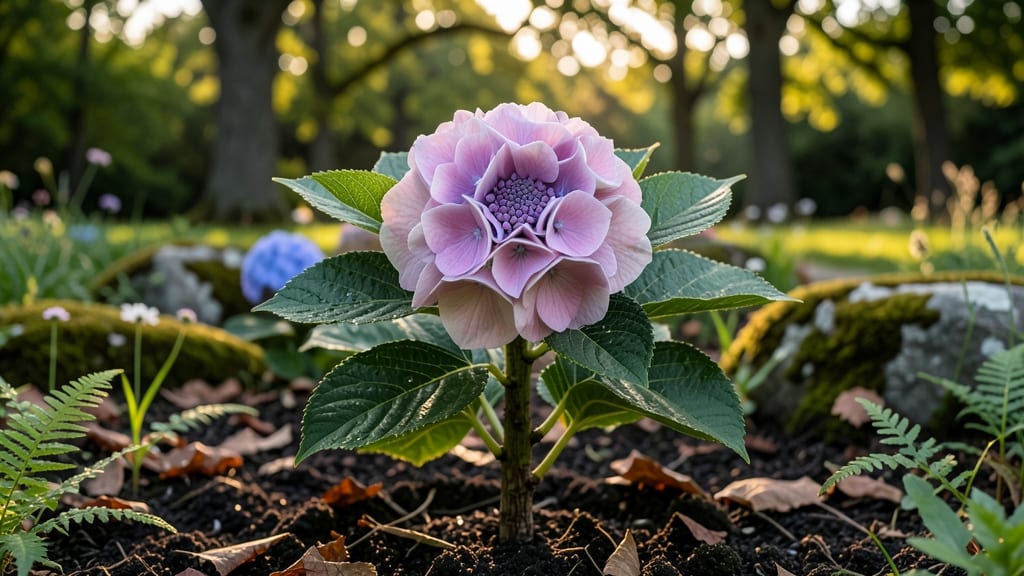
Single-bloom hydrangeas steal the show with their bold, showstopping flowers that last all summer. 🌸 I've grown these purple powerhouses for years, and they're the secret weapon for containers—no fuss, just stunning color from spring to frost. The key difference?
These varieties produce one giant bloom per stem instead of clusters, making each flower a statement piece. You'll need a large container (at least 15 gallons), well-draining potting mix, and a spot with morning sun and afternoon shade.
Water consistently—they hate soggy roots but demand steady moisture for those lush blooms. Prune in late winter to shape the plant and encourage strong new growth, but never cut back more than ⅓ of the stems.
By midsummer, you'll have dramatic flowers that change color with the seasons—pink in spring, deep purple in summer, and sometimes a frosty blue in fall. The foliage stays glossy green all year, and the stems add winter interest when dried. Perfect for patios, balconies, or even as a standalone specimen.
These hydrangeas outshine their cluster-blooming cousins in containers—here's how to make them thrive!
📚 In This Guide
- What you need
- Instructions
- Tips and common mistakes
- Wrapping up and next steps
What you need
- ● Single Bloom Hydrangea Plant: 1–3 Hydrangea macrophylla (e.g., 'Endless Summer' or 'Nikko Blue') or Hydrangea paniculata (e.g., 'Limelight' or 'Little Lime')—choose a container-appropriate size (1–3 gallons for small varieties, 5+ gallons for larger ones).
- ○ Optional: Pre-blooming plant for instant color (check local nurseries in early spring!).
- ● Container: 1 large container with drainage holes (12–18" diameter for single plants; wider for multiple blooms).
- ● Material: Terracotta, ceramic, fiberglass, or high-quality plastic (avoid untreated wood to prevent rot).
- ● Pro Tip: 💡 Use a cache pot (inner pot with drainage) if your container lacks holes!
- ● Potting Mix: 1 bag high-quality, well-draining potting mix (avoid garden soil—it compacts!).
- ○ Optional Boost: Mix in 10–20% perlite or orchid bark (20–30% for H. paniculata) to improve aeration.
- ● Fertilizer: 1 slow-release granular fertilizer (14-14-14 or 10-10-10 NPK ratio) or hydrangea-specific fertilizer.
- ○ Optional: Liquid bloom booster (e.g., Miracle-Gro Bloom) for extra color vibrancy.
- ● Mulch: 1–2 inches of organic mulch (pine bark, shredded leaves, or coconut coir) to retain moisture.
- ● Gloves (gardening or nitrile for handling prickly stems).
- ● Trowel or small shovel for planting.
- ● Watering can or hose with a gentle spray nozzle (hydrangeas hate soggy roots!).
- ○ pH test kit (optional but helpful—hydrangeas thrive in acidic soil (pH 5.2–6.0) for blue blooms or neutral (pH 6.0–7.0) for pink!).
- ● Pruning shears (for shaping and deadheading after blooming).
- ● Support stake or trellis (if your variety grows tall, like 'Limelight').
- ● Sunlight: Partial shade (4–6 hours of morning sun) for H. macrophylla; full sun (6+ hours) for H. paniculata.
- ● Watering Schedule: Keep soil consistently moist (not waterlogged) during growing season; reduce in winter.
- ● Location: Choose a spot with wind protection (containers dry out fast!) and easy access for watering.
- ● Season: Plant in early spring (after last frost) or fall (6 weeks before first frost) for best root establishment.
Step-by-step instructions for growing single bloom hydrangeas in containers
Here's how to keep your purple hydrangeas thriving year-round with minimal fuss.
🪴 Step 1: Choose the Right Container and Drainage
Pick a container at least 18 inches wide and 16 inches deep—hydrangeas need room for roots to spread. I always opt for one with drainage holes (or drill them myself if needed), because soggy roots will kill your plant faster than anything else. Terra cotta pots work great because they breathe, but make sure to place them where they won’t dry out too quickly.
Line the bottom with 2-3 inches of gravel or broken pottery pieces to create a proper drainage layer. This prevents water from pooling at the roots while still allowing excess moisture to escape. If you're using a decorative pot without drainage, add a saucer underneath to catch any overflow—just remember to empty it after watering.
🌱 Step 2: Plant With Proper Soil and Positioning
Fill the container halfway with a mix of high-quality potting soil and organic compost (about 70/30 ratio). Hydrangeas love slightly acidic soil, so if your mix isn’t pre-acidified, add a handful of peat moss or sulfur-based amendment to keep the pH between 5.2 and 6.0. This is key for those vibrant purple blooms—too alkaline, and you’ll get pink instead.
Gently remove your hydrangea from its nursery pot and loosen the roots if they’re circling. Place it in the center of the container, ensuring the top of the root ball sits about 1 inch below the rim. Backfill with more soil, pressing lightly to eliminate air pockets. Water thoroughly until it drains from the bottom—this helps settle the soil and removes any air bubbles around the roots.
☀️ Step 3: Provide the Perfect Light and Water Balance
Single bloom hydrangeas thrive in morning sun and afternoon shade. A spot that gets 4-6 hours of direct sunlight daily works best, especially in hotter climates. Too much harsh afternoon sun can scorch the leaves, while too little light weakens the plant and reduces flowering. If you’re on a balcony or patio, position the pot where it gets dappled light—think of it like a sunbathing session with breaks.
Water consistently, keeping the soil evenly moist but not soggy. Stick your finger 1-2 inches into the soil—if it feels dry, it’s time to water. In summer, you might need to water daily, while winter slows things down to once a week. Always water at the base to avoid wetting the leaves, which can lead to fungal issues. Mulch the top inch of soil with shredded bark to help retain moisture and regulate temperature.
✂️ Step 4: Prune and Fertilize for Year-Round Blooms
Prune in late winter or early spring, just as new growth begins to appear. Cut back the previous year’s stems by about ⅓ of their length, focusing on shaping the plant rather than removing all old wood. Single bloom hydrangeas flower on new growth, so don’t worry about cutting back too much—this encourages bushier, fuller plants. Remove any dead, damaged, or crossing branches to improve airflow and reduce disease risk.
Feed your hydrangea every 4-6 weeks during the growing season with a balanced, water-soluble fertilizer (10-10-10 works well). For extra purple blooms, add a handful of aluminum sulfate to the soil or use a hydrangea-specific fertilizer that boosts acidity. Stop fertilizing in late summer to allow the plant to prepare for winter. In fall, apply a slow-release fertilizer to give it a nutrient boost for next year’s growth.
⏰ Step 5: Protect and Maintain Through Seasonal Changes
In late fall, reduce watering but keep the soil lightly moist—hydrangeas need hydration even when dormant. If you’re in a cold climate, wrap the pot in burlap or move it to a sheltered spot (like a garage or unheated shed) where temperatures stay above 20°F
In early spring, resume regular watering and fertilizing as new growth appears. Watch for signs of pests like aphids or spider mites—spray the plant with water to dislodge them, or use an insecticidal soap if needed. With proper care, your single bloom hydrangea will reward you with lush foliage and stunning purple blooms from spring through fall, and even into winter with the right protection.
Tips & tricks for perfect year-round hydrangea care
These simple strategies will help your container-grown hydrangeas thrive with vibrant purple blooms all season long.
Container Size Matters: The 18-inch width and 16-inch depth specified aren't arbitrary—they allow roots to spread comfortably while preventing root-bound stress. If you're tempted to use a smaller pot, remember that hydrangeas are heavy drinkers and need room for their extensive root systems. I've seen people use 20-inch pots successfully, but never go smaller than specified—your plant will thank you with better blooms and fewer leaf drop issues.
Soil Acid Test: That 5.2-6.0 pH range is non-negotiable for purple blooms. If you're unsure about your soil's acidity, grab a simple pH test kit from your garden center. I've used liquid pH testers that give results in minutes—just mix a soil sample with water and compare to the color chart. For a quick fix, add a handful of sulfur-based amendment to your 70/30 potting soil mix before planting, and re-test after a few weeks. The difference in bloom color is dramatic!
Winter Protection Hack: When temperatures drop below 20°F, your hydrangea needs shelter. I've had great success wrapping pots in burlap and placing them against south-facing walls where they catch reflected sunlight. For extra insulation, add a layer of bubble wrap around the pot before wrapping with burlap—it creates an air pocket that helps regulate temperature. This simple trick can extend your plant's life by several years in cold climates.
Watering Wisdom: The "finger test" of checking soil moisture 1-2 inches down is foolproof, but here's the secret: water until you see it drain from the bottom. This ensures the entire root ball gets hydrated, not just the top inch. In summer, I set my watering can on a timer for morning watering—consistency is more important than exact amounts. And always water at the base to prevent fungal diseases that love damp leaves.
Pro Tips for Single Bloom Hydrangea
- These simple strategies will help your container-grown hydrangeas thrive with vibrant purple blooms all season long.
- Container Size Matters: The 18-inch width and 16-inch depth specified aren't arbitrary—they allow roots to spread comfortably while preventing root-bound stress.
- Soil Acid Test: That 5.2-6.0 pH range is non-negotiable for purple blooms.
Frequently asked questions
Got questions about keeping your single bloom hydrangea thriving in containers? You’re not alone! Here are answers to the most common queries—so you can enjoy that lush, year-round purple magic without the stress.
How often should I water my single bloom hydrangea in a pot?
Water your container-grown hydrangea when the top 1-2 inches of soil feel dry. In hot weather, this could mean daily watering—especially in pots, which dry out faster than garden beds. Pro tip: Use a moisture meter or stick your finger in the soil to check! Overwatering is just as harmful as underwatering, so ensure pots have drainage holes.
When is the best time to prune single bloom hydrangeas?
Prune after flowering (late summer to early fall) to avoid cutting off next year’s blooms. Single bloom hydrangeas (like Hydrangea macrophylla) flower on old wood, so spring pruning risks removing buds. Use clean, sharp shears to trim back dead or leggy growth by ⅓ to encourage bushier, fuller blooms.
Why are my single bloom hydrangea leaves turning yellow?
Yellow leaves usually signal overwatering, underwatering, or nutrient deficiencies. Check the soil moisture first—soggy pots cause root rot, while dry soil leads to stress. Adjust your watering routine and test soil pH (hydrangeas love acidic soil, pH 5.2–6.0). Yellowing on older leaves? It might be natural aging. New leaves yellowing? Time for a balanced fertilizer or iron supplement.
Can single bloom hydrangeas survive winter in containers?
Yes, but they need protection! Move pots to a sheltered spot (like a garage or under eaves) before temps drop below 20°F (-7°C). Wrap containers in bubble wrap or frost cloth and mulch the soil with straw or leaves. Pro tip: Water lightly before winter to prevent soil from freezing solid. In extreme climates, consider overwintering indoors with bright, indirect light.
What’s the best alternative if I can’t grow single bloom hydrangeas?
If your climate or space is tricky, try these container-friendly alternatives for year-round color:
- Oakleaf hydrangea (Hydrangea quercifolia) – Stunning fall foliage + blooms.
- Panicle hydrangea (Hydrangea paniculata) – Heat-tolerant, long-lasting blooms.
- Dwarf butterfly bush (Buddleja davidii) – Compact, pollinator-friendly, and drought-resistant.
- Heuchera – Colorful foliage that thrives in shade and pots.
Wrapping up and next steps
Single bloom hydrangeas are the perfect way to bring year-round purple magic to your containers—easy to care for, stunning in color, and packed with charm! Whether you’re a gardening newbie or a seasoned pro, their adaptability and low-maintenance nature make them a dream plant. 🌸
Ready to transform your space? Start by picking your favorite variety, grab a container, and get planting! With the right care, you’ll enjoy blooms that last and a garden that turns heads—no green thumb required.