
Blooming
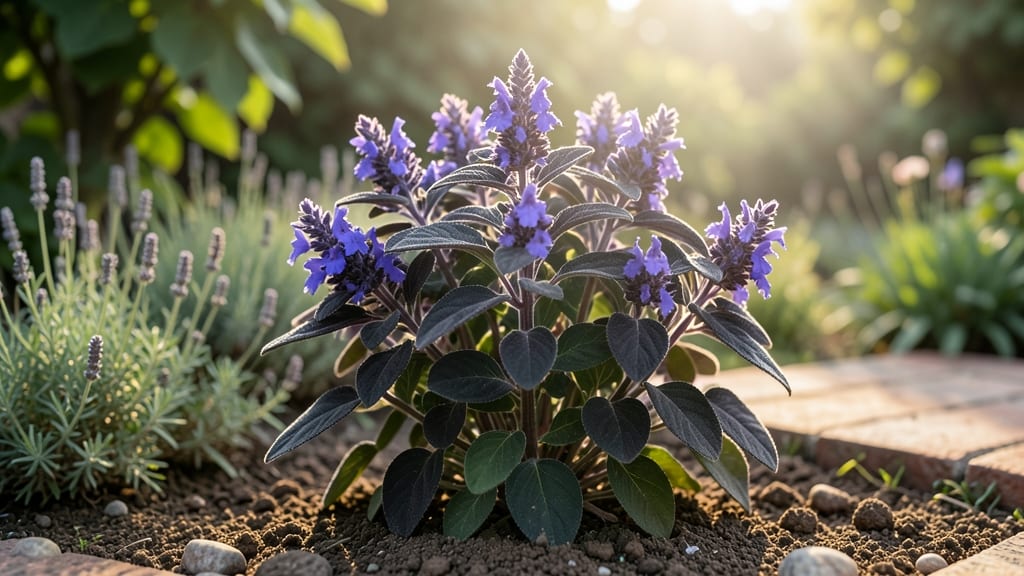
Black and Bloom Salvias transform any garden with their velvety dark foliage and bursts of purple blooms—and they thrive in partial shade where most plants struggle. 💜 I first fell for them when they outlasted my sun-loving favorites in a shady corner, blooming from spring until frost with barely any care.
Their deep purple-black leaves create stunning contrast, while the flowers attract hummingbirds all season long.
These salvias are the ultimate low-maintenance star for borders, containers, or pollinator gardens. Pair them with silver foliage plants like lamb’s ear or dusty miller to make their dark leaves pop, or combine with bright annuals like snapdragons for a striking color contrast.
Their upright growth habit makes them perfect for edging pathways or adding height to mixed containers—just give them well-draining soil and occasional water.
What makes them truly special is their ability to bloom year-round in mild climates, with minimal pruning needed. Snip back leggy stems in early spring to encourage fresh growth, and watch them reward you with nonstop color.
The fragrance? Subtly sweet and herbal, perfect for cutting or simply enjoying as you stroll through the garden.
Whether you're designing a shadow garden, creating a pollinator haven, or just want a drama-free plant that delivers year after year, Black and Bloom Salvias are the answer. They’re drought-tolerant once established, deer-resistant, and adaptable to almost any garden style—from cottage gardens to modern containers.
📚 In This Guide
- What you need
- Instructions
- Tips and common mistakes
- Wrapping up and next steps
What you need
- ● Black and Bloom Salvia plants (1–3 plants per container or garden spot; choose from varieties like Salvia ‘May Night’ or Salvia ‘Black and Bloom’).
- ● Well-draining potting mix (6–8 inches deep for containers; blend with perlite or sand for aeration).
- ● Containers or garden bed: For containers: 12–18" pots with drainage holes (terracotta or fabric grow bags work best).
- ● For garden beds: Full sun to partial shade (4+ hours of light daily).
- ● Slow-release fertilizer (balanced 10-10-10 or organic options like compost or worm castings).
- ● Watering can or hose with gentle spray nozzle (avoid soggy soil!).
- ● Pruning shears (for shaping and deadheading).
- ● pH testing kit (ideal range: 6.0–7.0 for salvias).
- ● Mulch (straw or gravel to retain moisture and deter weeds).
- ● Grow lights (LED or fluorescent, 12–16 hours/day if indoors with low light).
Step-by-step guide to growing Black and Bloom salvias
Here's how I grow these stunning, low-maintenance perennials that reward you with fragrance and color all year.
🌱 Step 1: Select and Prepare the Planting Site
Black and Bloom salvias thrive in well-draining soil with 6 hours of sunlight daily, though they tolerate partial shade better than most salvias. I always choose a spot with afternoon shade in hot climates—this prevents leaf scorch while maintaining vibrant blooms. Amend heavy clay soil with 3-4 inches of compost to improve drainage.
Test your soil's pH—these salvias prefer 6.0-7.0. If your soil is too acidic, mix in 1 cup of crushed limestone per square foot and work it into the top 6 inches. Avoid planting in low-lying areas where water pools, as soggy roots cause root rot within weeks.
🪴 Step 2: Plant at the Right Depth and Spacing
Dig holes twice as wide as the root ball but only as deep as the container's base. This prevents burying the crown too deeply, which invites fungal diseases. Gently remove the plant from its container, loosen any circling roots with your fingers, and place it in the hole so the top of the root ball sits ½ inch below soil level.
Space plants 18-24 inches apart—they grow bushier over time and need room to develop their signature dark foliage. Backfill with native soil mixed with 1 part compost to improve fertility. Water deeply immediately after planting to settle the soil and eliminate air pockets around the roots.
☀️ Step 3: Water and Fertilize for Year-Round Blooms
Water deeply once a week during the first growing season, allowing the top 2-3 inches of soil to dry out between waterings. Overwatering is the fastest way to kill these drought-tolerant plants—yellowing leaves signal you're watering too much. Once established, they thrive on rainfall alone in most climates.
Feed with a balanced 10-10-10 fertilizer in early spring and again after the first flush of blooms. I use ½ teaspoon per plant mixed into the soil around the base. Avoid high-nitrogen fertilizers—they encourage leafy growth at the expense of flowers. Deadhead spent blooms regularly to encourage continuous flowering.
✂️ Step 4: Prune for Shape and Encourage New Growth
Prune in late winter or early spring by cutting back ⅓ of the plant's height to shape it and remove any dead or damaged stems. This stimulates fresh, vigorous growth. I always use sterilized pruners to prevent spreading disease between cuts. Avoid heavy pruning after midsummer—new growth won't harden off before winter.
Watch for leggy growth—this happens when plants don't get enough light. If stems stretch more than 6 inches beyond the plant's natural shape, trim them back to 4-6 inches above a healthy leaf node. This encourages bushier growth and prevents the plant from flopping over.
🌿 Step 5: Protect and Maintain Through Seasons
In winter, mulch with 2-3 inches of organic mulch like shredded bark to insulate roots. Remove mulch in early spring to prevent overheating. If your winters drop below 10°F, cover plants with burlap or frost cloth on cold nights—these salvias are hardy to USDA Zone 7 but may need winter protection in colder areas.
Check for pests weekly—aphids and spider mites occasionally target salvias. Spray with neem oil solution (1 tablespoon per gallon of water) if you spot clusters of tiny insects on new growth. Healthy plants rarely have pest issues, so focus on proper watering and sunlight to keep them thriving.
Tips & tricks for perfect Black and Bloom salvias
These game-changing insights will help you cultivate thriving, fragrant salvias that outperform even the most demanding garden expectations.
Soil Preparation Secret: Don't skip the soil test! These salvias thrive in that 6.0-7.0 pH range—if your soil tests lower, the 1 cup of crushed limestone per square foot is non-negotiable. I've seen plants in acidic soil struggle to develop their signature dark foliage, even with perfect sunlight. Think of it as their nutritional foundation—skimp here and you'll compromise everything else.
Planting Depth Technique: That ½ inch below soil level placement for the root ball isn't just arbitrary—it's about creating the perfect balance. Too deep and you risk crown rot; too high and roots won't establish properly. I mark the container's base with a pencil before planting as a visual guide. This small detail makes all the difference in long-term plant health.
Watering Wisdom: The 2-3 inches of dry soil between waterings is your golden rule during establishment. Use a screwdriver to check moisture—if it comes out clean, it's time to water. I've learned the hard way that salvias in containers dry out faster than in-ground plants, so I water container-grown specimens every 3-4 days in summer heat, even when they seem dry.
Pruning Precision: When you're cutting back those leggy stems to 4-6 inches above a healthy leaf node, make sure your pruners are clean—sterilize them with rubbing alcohol between cuts. I also recommend pruning on a cloudy day to reduce stress on the plant. The goal is to encourage bushier growth without shocking the system, and timing matters just as much as technique.
Pro Tips for Black And Bloom Salvias
- These game-changing insights will help you cultivate thriving, fragrant salvias that outperform even the most demandi...
- Soil Preparation Secret: Don't skip the soil test! These salvias thrive in that 6.0-7.0 pH range—if your soil tests l...
- Planting Depth Technique: That ½ inch below soil level placement for the root ball isn't just arbitrary—it's about cr...
Frequently asked questions
Got questions about growing black and bloom salvias? You’re not alone! These stunning plants are easy to love but come with a few common curiosities. Here’s what you need to know:
How much light do black and bloom salvias really need?
These salvias thrive in partial shade to full sun—even 3–4 hours of bright, indirect light daily works! Too much direct sun can scorch leaves, while too little may reduce blooms. A spot near a south-facing window or under a sheer curtain is ideal for indoor growers.
Can I grow black and bloom salvias indoors year-round?
They’re perfect for indoor gardens, but keep them near a window with moderate light. In winter, supplement with a grow light (12–14 hours/day) to prevent leggy growth. Just avoid drafts—they hate cold windowsills!
Why aren’t my salvias blooming?
Lack of light, overwatering, or poor drainage are top culprits. Fix it: Move to a brighter spot, let soil dry slightly between waterings, and ensure pots have drainage holes. Deadhead spent blooms to encourage new flowers!
Are black and bloom salvias toxic to pets?
Yes, they’re mildly toxic to cats and dogs if ingested (can cause drooling or vomiting). Keep them out of paw’s reach or opt for pet-safe alternatives like Salvia microphylla (check toxicity databases first).
How often should I fertilize black and bloom salvias?
Feed lightly during spring/summer with a balanced liquid fertilizer (diluted to half-strength) every 4–6 weeks. Skip fertilizing in fall/winter—they’re dormant! Overfeeding leads to salt buildup, which harms roots.
Still stumped? Drop your question in the comments—we’re happy to help your salvias bloom like crazy!
Wrapping up and next steps
Black and Bloom Salvias are a game-changer for gardeners craving beauty with minimal effort! Their striking foliage, long-lasting blooms, and low-light adaptability make them a must-have for any space—balcony, patio, or indoor oasis.
Whether you're a seasoned green thumb or just starting, these plants prove that fragrance and color don’t require sunshine to thrive.
Ready to transform your space? Snag a Black and Bloom Salvia today and watch your garden burst with life—no fuss, just fragrance! 🌿✨ Shop now or share your progress with the gardening community for extra inspiration!