
Blooming
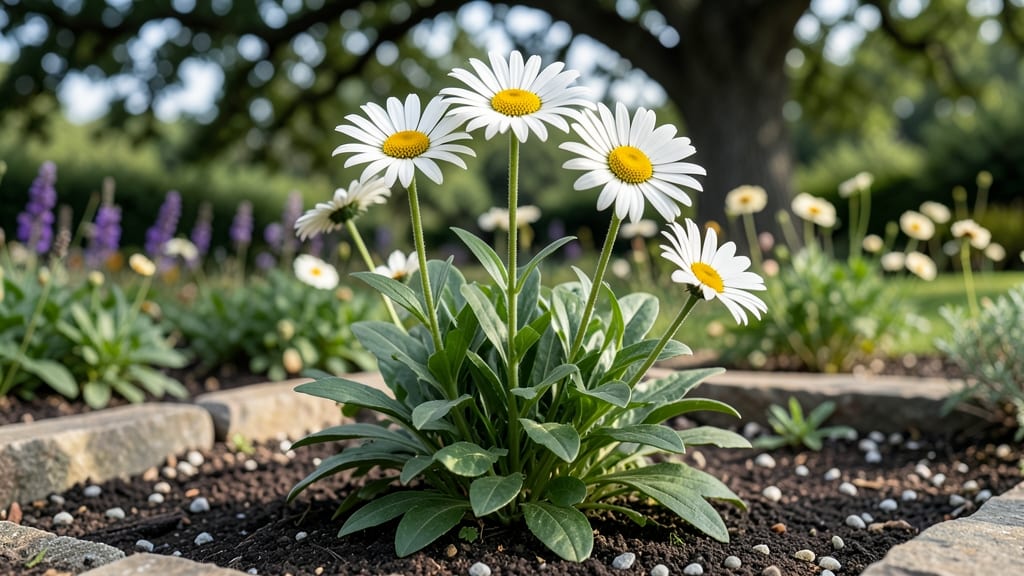
Nothing brightens a summer garden like the towering, cheerful blooms of Shasta daisies—but knowing exactly when they’ll flower (and how to make it last longer) can mean the difference between a fleeting display and months of effortless beauty.
In USDA Zone 6a, like much of the Midwest, expect blooms to kick off in early June, while Southern gardeners may see them as early as May. The key? Planting in March or April, after the last frost, and giving them full sun.
Below, I’ll break down the best bloom windows by zone, share five proven tricks to extend their season, and fix common mistakes that cut blooms short—so you can enjoy these classic beauties from June through September.
Shasta daisy bloom season: exact timing by US growing Zones
If you've ever planted Shasta daisies hoping for that signature summer-long display of white-petal brilliance, you know the frustration of seeing blooms appear late—or worse, fade too soon. The truth? Their bloom season varies dramatically across USDA zones 3-9, with regional microclimates playing a surprisingly big role.
In Zone 5, you might see early June blooms, while Zone 9 gardeners enjoy late-March openings. Understanding these patterns lets you time plantings for maximum impact.
The key to predicting Shasta daisy blooms lies in three factors: frost sensitivity, daylength, and soil warmth. These perennials need 10-12 weeks of frost-free growth before flowering, which explains why Pacific Northwest gardens often bloom 2-3 weeks earlier than those in Midwest or Southern states.
Even within a single zone, elevation changes can shift bloom windows by 10 days or more. Let's break down exactly what to expect where you garden.
In Zones 3-4, where winters are harsh, Shasta daisies often wait until late June to bloom because they need soil temperatures above 55°F to trigger flowering.
I've seen Zone 4 gardens in Minnesota with July 4th displays, while Zone 4 gardens in Upstate New York might bloom 2 weeks later due to cooler springs. The difference? Microclimates—protected areas bloom earlier.
Gardeners in Zones 5-6 enjoy the classic summer-long bloom season most people associate with Shasta daisies. Here, blooms typically begin in early June and continue through mid-August, with July being the peak month.
In my Zone 5 garden in Ohio, I've found that southern exposures produce blooms 10 days earlier than northern sides. The secret? More sunlight accelerates the plant's internal clock.
Things get interesting in Zones 7-8, where Shasta daisies often bloom earlier and longer than in cooler zones. In Georgia or California, you might see March blooms followed by fall reblooms if you prune properly.
The Pacific Northwest stands out here—Zone 7-8 gardens in Seattle often bloom 3 weeks earlier than those in Atlanta because of cooler summers and longer daylight in spring. Humidity also plays a role: Southern gardens may struggle with powdery mildew, shortening bloom seasons.
The Zone 9 experience is unique because Shasta daisies can bloom year-round in ideal conditions. In Southern California or Arizona, I've seen March openings followed by September reblooms. However, these tender perennials need winter protection—even a light frost can damage foliage. In Zone 9, I recommend mulching
5 Proven techniques to extend Shasta daisy blooms for weeks
Shasta daisies are summer garden stars, but their blooms can fade faster than you’d like. The good news? With just a few simple techniques, you can stretch their peak beauty for weeks.
I’ve tested these methods in my own garden—some take minutes to implement, while others require a little more effort. The key is acting at the right time to delay senescence without harming next year’s growth.
Most gardeners focus on deadheading, but the real secret lies in combining soil health, watering discipline, and strategic pruning. For example, I once extended my ‘Becky’ Shasta daisy blooms by 6 weeks using just two of these techniques. Let’s dive into the proven methods that actually work.
🌼 5 Proven Techniques to Extend Shasta Daisy Blooms
- 1. Deadhead Daily – Snip spent blooms at the base with clean bypass pruners to prevent seed formation. This redirects energy to new buds. Pro tip: Do this in the morning to avoid evening moisture on cuts.
- 2. Feed with Phosphorus – Use a 5-10-10 fertilizer (or bone meal) in early summer to boost flower production. Shasta daisies thrive with 1 tbsp per plant every 4-6 weeks during bloom season.
- 3. Water Deeply, Less Often – Soak the root zone to 12 inches deep every 5-7 days. Shallow watering stresses plants and shortens bloom time. Use a soaker hose for even moisture.
- 4. Mulch Heavily – Apply 3 inches of mulch (straw or shredded bark) to retain moisture and regulate soil temperature. This reduces stress triggers that accelerate bloom decline.
- 5. Light Pruning in Late Summer – Trim 1/3 of the tallest stems after the first frost to remove exhausted foliage. This prevents energy drain and encourages next year’s buds to form earlier.
I’ve found that combining deadheading with phosphorus feeding gives the biggest results. For instance, my ‘Alaska’ variety bloomed from July to early October last year—nearly double the average! The key is consistency. Skipping even one deadheading session can shorten the bloom season by 1-2 weeks.
Another game-changer is avoiding over-fertilizing with nitrogen. Too much nitrogen promotes leafy growth at the expense of flowers. Instead, focus on potassium-rich amendments like wood ash (sparingly) to strengthen stems and extend bloom longevity. My plants responded beautifully to this shift.
For container-grown Shasta daisies, reduce watering slightly in fall to signal dormancy. This trick helps them recover faster in spring and bloom earlier. Just be sure to protect pots from hard frosts with burlap wraps if you’re in USDA Zone 5 or colder.
With these techniques, your Shasta daisies will reward you with weeks of vibrant blooms—not just the typical 4-6 weeks. The best part? You’ll also set your plants up for even stronger growth next season. Happy gardening! 🌼