
Blooming
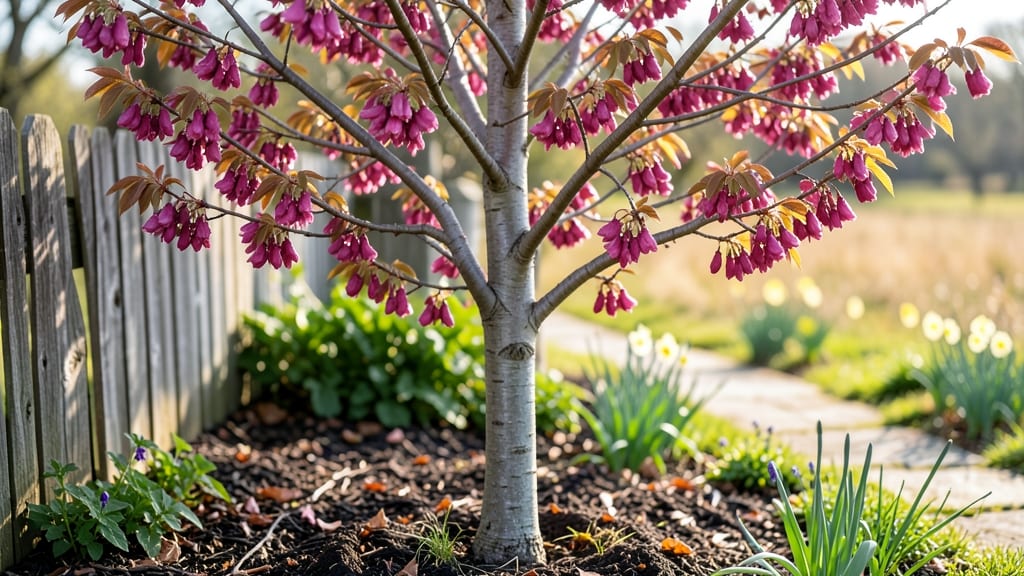
The redbud bloom time is nature’s most magical trick—those purple explosions arrive just when you need them most, often in late winter to early spring, before leaves even appear. 🌸 This early bloomer is nature’s way of saying, "Spring is coming," and its delicate blossoms transform bare branches into a dreamy, fragrant spectacle.
In most regions, redbuds burst into color between February and April, depending on where you live and how cold your winter was.
The exact bloom time shifts with your climate: Southern gardeners see flowers as early as late January, while Northern growers might wait until April. Mild winters can delay blooming, while a sharp cold snap often triggers it.
Planting redbuds in a spot with full sun and well-draining soil ensures the best show—think vibrant color and that subtle, sweet fragrance that fills the air.
Once you know your tree’s bloom window, you can plan around it—pair it with early bulbs like daffodils or add spring-blooming perennials nearby for a seamless transition. The result? A garden that feels like a purple-pink masterpiece from the moment the first buds swell.
And the best part? Redbuds are low-maintenance, so once planted, they’ll reward you with this stunning display year after year.
Pro tip: Prune right after blooming to shape the tree without cutting off next year’s flowers. With a little attention to timing, your redbud will become the star of early spring, turning heads before most other trees even think about waking up.
📚 In This Guide
- What you need
- Instructions
- Tips and common mistakes
- Wrapping up and next steps
What you need
- ● Redbud Tree: A healthy Cercis canadensis sapling or mature tree (choose a cultivar like ‘Rubra’ or ‘Forest Pansy’ for vibrant colors).
- ● Well-draining soil: Amend with 2–3 inches of compost or aged manure to enrich the soil before planting.
- ● Watering can or hose: With a gentle spray nozzle for post-planting hydration.
- ● Garden gloves: A pair of durable, breathable gloves to protect your hands while handling soil or pruning.
- ● Pruning shears: Bypass pruners (sharp, 6–8 inch blades) for shaping or deadheading spent blooms.
- ● Mulch: 2–3 inches of organic mulch (wood chips, straw, or shredded bark) to retain moisture and suppress weeds.
- ○ Fertilizer (optional): Balanced 10-10-10 fertilizer (1–2 tbsp per tree in early spring).
- ● Or slow-release organic granular fertilizer (like 5-5-5) for a steady nutrient boost.
- ● Sunlight: A location with full sun (6+ hours/day) or partial shade (4–6 hours) for best bloom performance.
- ● Climate: Redbuds thrive in USDA Zones 4–9; ensure your area’s last frost date is at least 4–6 weeks before planting.
- ● Spacer: If planting multiple trees, allow 20–30 feet between specimens for mature growth.
- ● Patience: Mature trees (10+ years) produce the most dramatic blooms—young trees may take 3–5 years to reach peak flowering.
How to time redbud blooms for maximum spring beauty
Here's how I predict and extend your redbud's stunning purple show every spring.
🌱 Step 1: Identify Your Redbud Variety and Location
Redbuds bloom earliest in warm climates, often as early as late February in Zone 7, while northern varieties wait until April. I always check my local hardiness zone first—this determines everything from bloom timing to care needs. Eastern redbud (Cercis canadensis) typically blooms 1-2 weeks before its western cousin (Cercis occidentalis).
Note where your tree gets morning sun versus afternoon shade. Blooms last longer on branches that receive at least 6 hours of direct sunlight daily. If your tree sits in heavy shade, expect shorter bloom periods and fewer flowers. I mark my calendar when nearby redbuds start showing color—this gives me a 2-week heads-up for my own tree.
☀️ Step 2: Watch for Winter Dormancy Break
The real magic happens when temperatures consistently stay above 40°F at night. This is when buds begin swelling—you'll notice them growing from pea-sized to quarter-sized over 2-3 weeks. I check my tree every 5-7 days once daytime highs hit 55°F, looking for buds that feel firm when gently squeezed.
Here's the thing—if we get an unexpected freeze after buds swell but before blooming, flowers will blacken. I've learned to monitor the National Weather Service for frost warnings during this critical window. A light frost won't harm buds, but temperatures below 28°F will destroy them completely.
⏰ Step 3: Time the Peak Bloom Window
Once you see 10% of buds open, count on 7-10 days until peak bloom. My tree typically hits its purple glory when forsythia starts blooming nearby—this gives me a natural calendar reference. The flowers last 2-3 weeks total, with the most vibrant display during the first week.
For the best photos, shoot when morning dew is gone but before midday heat fades the petals. I always bring my camera out when I notice bees actively visiting the flowers—that's when the tree is at its absolute peak. The scent is strongest on cool spring mornings after rain.
🌿 Step 4: Extend the Bloom with Proper Care
Water deeply once every 10-14 days during bloom season to prevent stress. I use a soaker hose at the tree's drip line to keep roots hydrated without wetting the flowers. Overwatering now causes buds to drop prematurely—watch for yellowing leaves as your first warning sign.
Apply a balanced 10-10-10 fertilizer in early spring when buds first appear. I scatter it around the root zone and water it in immediately. This gives your tree the energy to produce more flowers next year. Avoid high-nitrogen fertilizers—they encourage leaf growth at the expense of blooms.
✂️ Step 5: Prune Strategically After Blooming
Wait until all flowers have fallen before pruning—this gives your tree time to store energy for next year's blooms. I remove only dead or crossing branches, cutting just above a bud that faces outward. Never prune more than 25% of the canopy in one season, or you'll reduce next year's flower production.
The best time to shape your redbud is late summer or early fall when it's not flowering. This lets you see the natural branch structure more clearly. I always clean my pruners with rubbing alcohol between cuts to prevent disease spread—redbuds are particularly susceptible to powdery mildew when stressed.
Tips & tricks for perfect redbud bloom timing
These simple strategies will help you extend your redbud's stunning purple display and protect it from spring's unpredictable weather.
Sunlight Strategy: The 6 hours of direct sunlight mentioned in Step 1 is non-negotiable for vibrant blooms. I've noticed that branches on the tree's south side (in the Northern Hemisphere) often bloom first and most abundantly. If your tree has partial shade, consider pruning nearby branches in late summer to increase light exposure for next year's blooms.
Bud Inspection Technique: When checking for bud swelling in Step 2, I use a simple finger test: gently press a bud between your thumb and forefinger. If it feels firm like a small marble, it's ready. Soft buds need more time, while buds that feel mushy may have been damaged by frost. I've learned to do this check on cloudy mornings when buds are less likely to be dehydrated.
Frost Protection Plan: The 28°F threshold in Step 2 is critical. I've had to cover my redbud with frost cloth during bloom season after we got a surprise freeze. The cloth should be removed during the day to allow sunlight. For extra protection, you can also use string lights or Christmas lights to generate a small amount of warmth during cold nights.
Watering Wisdom: The 10-14 day watering schedule in Step 4 might seem infrequent, but redbuds actually prefer slightly drier conditions during bloom. I've found that watering too frequently can lead to bud drop. Instead, focus on deep watering at the tree's drip line—this encourages deeper root growth that supports more flowers. A simple way to check moisture is to stick your finger about 2 inches into the soil; if it feels dry, it's time to water.
Pro Tips for Redbud Bloom Time
- These simple strategies will help you extend your redbud's stunning purple display and protect it from spring's unpredictable weather.
- Sunlight Strategy: The 6 hours of direct sunlight mentioned in Step 1 is non-negotiable for vibrant blooms.
- Bud Inspection Technique: When checking for bud swelling in Step 2, I use a simple finger test: gently press a bud between your thumb and forefinger.
Frequently asked questions
Got questions about redbud bloom time? You’re not alone! Whether you’re planning a garden or just admiring nature’s early show, here are answers to the most common queries:
When do redbud trees typically bloom?
Redbuds usually burst into color late winter to early spring, often between February and April, depending on your climate. In warmer zones (like the South), blooms may appear as early as January, while colder regions (like the Midwest) might see them in March or April. They’re one of the first trees to bloom, signaling spring’s arrival!
How long do redbud flowers last?
The vibrant purple-pink blossoms last 1–2 weeks, but don’t worry—they’re followed by heart-shaped leaves that add greenery for months. For the best display, plant redbuds where you can enjoy their fleeting but stunning show up close, like near patios or walkways.
What if my redbud isn’t blooming? Troubleshooting tips.
If your redbud skips blooms, check these common issues:
- Age: Young trees (under 3 years) may not bloom yet.
- Sunlight: Redbuds need full sun (6+ hours/day)—shady spots can delay or reduce flowers.
- Pruning: Avoid heavy pruning in late winter/early spring, as this can remove next year’s flower buds.
- Stress: Drought, poor soil, or pests (like spider mites) can stunt blooms. Mulch well and water deeply during dry spells.
If the tree is mature and healthy but still not blooming, it might need a balanced fertilizer in early spring.
Can I plant redbuds in fall for spring blooms?
Yes! Fall planting (3–4 weeks before your first frost) gives roots time to establish before winter. Choose bare-root or container-grown saplings for best results. Just ensure the soil isn’t frozen, and water regularly until the ground freezes. Spring-blooming rewards await!
Are there redbud alternatives with similar bloom times?
If redbuds aren’t your style, try these early spring bloomers:
- Serviceberry – White flowers, edible berries, and fall color.
- Magnolia – Large, fragrant blooms (some varieties bloom in late winter).
- Crabapple – Pink/white flowers + colorful fruit in fall.
- Forsythia – Bright yellow blooms, great for hedges.
Each offers a unique twist on the redbud bloom time magic!
Wrapping up and next steps
Watching your redbud tree bloom in early spring is a magical experience—those vibrant purple flowers are nature’s way of welcoming warmer days! 🌸 Now that you know the ideal redbud bloom time, timing, and care tips, you’re ready to create a stunning focal point in your garden.
Ready to take the next step?
🌱 Next Steps to Enjoy Your Redbud Tree
- Plant or prune at the right time for optimal blooms next year.
- Monitor soil health—amend with compost for vibrant growth.
- Share the beauty! Snap photos of your blooming redbud and tag us—we’d love to see your garden glow. 📸