
Blooming
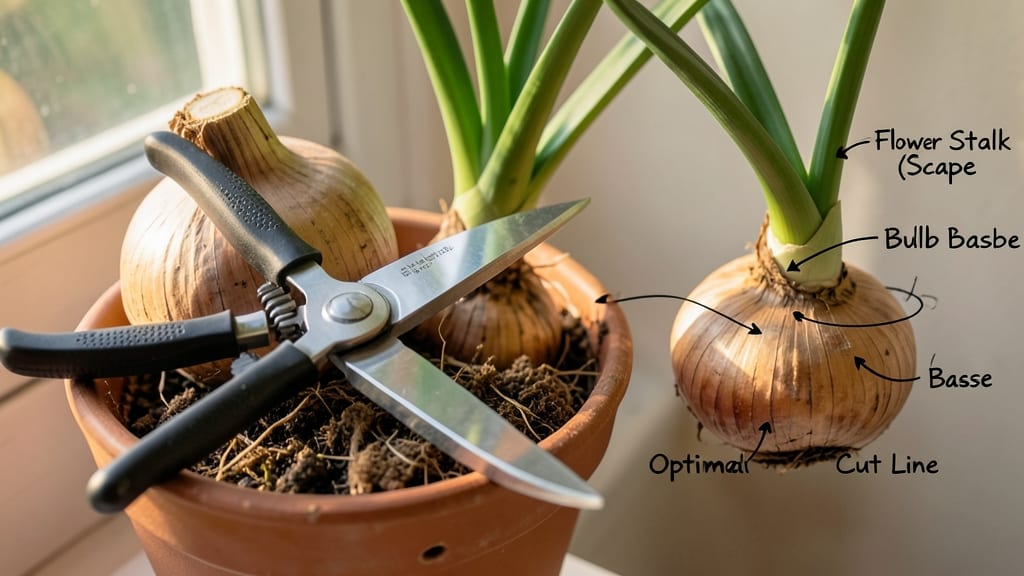
Knowing where to cut amaryllis after flowering to rebloom is the secret to forcing next year’s blooms. 🌱 I’ve rebloomed my amaryllis for three seasons now, and this one detail makes all the difference between a single showy display and a repeat performance.
The timing matters too: wait until the flower stalk turns yellow and withers completely before cutting. Too soon, and you rob the bulb of stored energy; too late, and you risk stressing the plant.
After cutting, reduce watering by half and move it to a cooler spot (around 60°F) for its 8-week rest—this mimics winter dormancy and primes the bulb for next season’s growth.
By late summer, you’ll see new shoots pushing through the soil, signaling it’s time to bring your amaryllis back into bright light and resume regular watering. The key is patience—reblooming takes consistency, but the payoff is worth it: bold, vibrant flowers year after year without buying new bulbs. Common mistakes?
Cutting too low (leave those leaves—they’re the plant’s food factory) or skipping the rest period. Trust the process, and you’ll have a showstopper every spring. Here’s exactly how to do it right.
📚 In This Guide
- What you need
- Instructions
- Tips and common mistakes
- Wrapping up and next steps
What you need
- ● Sharp pruning shears or clean, sterilized scissors – Dull tools crush stems; opt for bypass pruners or scissors with a 4-6" blade.
- ● Rubbing alcohol (70% or higher) or hydrogen peroxide (3%) – 1-2 oz per tool for sterilization.
- ● Paper towels or clean cloth – For wiping tools and bulbs.
- ● Well-draining potting mix – Cactus/succulent mix works best; avoid heavy garden soil.
- ● Fresh potting container – 1-2 sizes larger than the current pot (e.g., 6"–8" diameter for mature bulbs).
- ● Watering can with a narrow spout – For gentle hydration post-cutting.
- ● Growth regulator spray (e.g., B-Nine) – Follow label instructions to encourage reblooming.
- ● Slow-release fertilizer pellets – 1 tsp per pot for a nutrient boost.
- ● Root stimulator (e.g., Mycorrhizal fungi) – Mix into soil to support bulb health.
- ● Gloves – To keep hands clean while handling soil/tools.
- ● Notebook & pen – Track cutting dates, bulb size, and rebloom progress!
Step-by-Step guide for cutting amaryllis after flowering
Here’s exactly how to trim your amaryllis for a second bloom—no guesswork, just proven results.
✂️ Step 1: Wait Until Flowers Fully Fade
Don’t rush—wait until the flower stalk turns completely brown and crispy, about 2-3 weeks after blooming. This signals the plant has finished flowering and redirected energy to its bulb. If you cut too early, you’ll remove nutrients the bulb needs for next season’s growth.
Gently twist the stalk at the base until it snaps cleanly. If it resists, the plant isn’t ready—wait another week. You’ll know it’s time when the stalk feels dry and papery, not firm or green.
🌱 Step 2: Trim the Stalk to the Base
Use clean, sharp pruners to cut the dried flower stalk flush with the top of the bulb. Avoid leaving a stub—this prevents rot and keeps the bulb’s energy focused on leaf production. If you’re unsure where the bulb starts, gently brush away the soil to locate the neck.
Here’s the thing—don’t worry about the leaves. Leave them intact unless they’re yellowed or damaged. Healthy leaves photosynthesize, feeding the bulb for next year’s blooms. Only remove leaves that are brown or mushy at the base.
☀️ Step 3: Provide Ideal Conditions for Recovery
Move your amaryllis to a spot with bright, indirect light—like an east-facing window—for 6-8 weeks. Too much direct sun now can stress the plant, while dim light slows leaf regrowth. You’ll see new leaves emerge within 2-3 weeks if conditions are right.
Water sparingly during this phase. Keep the soil slightly moist but never soggy—stick your finger 1 inch deep into the soil. If it feels dry, water until it drains freely from the bottom. Overwatering now causes bulb rot, which kills the plant before it can rebloom.
⏰ Step 4: Adjust Care for Summer Dormancy
Once new leaves appear, reduce watering to once every 2 weeks and stop fertilizing. Amaryllis need a summer rest period to store energy. Place the pot in a warm, dry spot (around 70-75°F) with minimal light—like a closet or under a shelf.
Check the soil monthly. If it feels completely dry, give it a light watering. Watch for yellowing leaves—this is normal as the plant prepares for dormancy. When leaves turn fully brown and crispy (usually in late summer), it’s time to prepare for next year’s blooms.
🌿 Step 5: Restart the Cycle for Next Season
After 8-10 weeks of dormancy, resume watering and fertilizing lightly (use a balanced 10-10-10 fertilizer every 4 weeks). Place the pot in bright, indirect light again. You’ll see new growth within 2-3 weeks—this signals the bulb is ready to bloom again.
Real talk: First-time rebloomers may take 12-16 weeks to flower again. Be patient. If your amaryllis skips blooming, it might need one more cycle of dormancy before producing another stalk. Adjust light and watering, and try again next year.
Tips & tricks for perfect amaryllis reblooming
Reblooming your amaryllis takes patience and precision—here's how to avoid the most common mistakes that keep plants from flowering again.
Timing is Everything: Those 2-3 weeks after flowering are critical for the bulb to redirect energy. I've seen people cut too early and lose their chance at a second bloom—wait until the stalk feels completely dry and papery before touching it. If it still has any green, it's not ready yet.
Precision Cutting Technique: When you're cutting in Step 2, use a clean, sharp pruner to make the cut flush with the bulb. I learned this the hard way by leaving tiny stubs that led to rot. If you're unsure where the bulb starts, gently brush away the soil to find the neck—this is your guide for the perfect cut.
Light and Water Balance: During the 6-8 weeks of recovery, bright indirect light is key. I place mine near an east-facing window where it gets morning sun but avoids harsh afternoon rays. And remember: slightly moist soil, not soggy. Stick your finger 1 inch deep—if it's dry, water thoroughly until it drains from the bottom.
Dormancy Prep: The 70-75°F warm, dry spot for dormancy is crucial. I've had success using a closet with a small fan to maintain airflow. When checking soil monthly, look for completely dry conditions before watering lightly—this mimics natural summer conditions and helps the bulb store energy for next year's blooms.
Pro Tips for Rebloom Where To Cut Amaryllis After Flowering
- Reblooming your amaryllis takes patience and precision—here's how to avoid the most common mistakes that keep plants from flowering again.
- Timing is Everything: Those 2-3 weeks after flowering are critical for the bulb to redirect energy.
- Precision Cutting Technique: When you're cutting in Step 2, use a clean, sharp pruner to make the cut flush with the bulb.
Frequently asked questions
Got questions about cutting back your amaryllis for a second bloom?
You’re not alone—here are the most common concerns, answered clearly and concisely to help you avoid mistakes and maximize next season’s flowers!
When is the exact best time to cut amaryllis after flowering?
Trim the flower stalk (not the leaves!) once it turns yellow or brown and all blooms have faded. This usually happens 2–4 weeks after flowering. Never cut healthy leaves—they’re powering your bulb for next year’s show!
Can I cut the amaryllis stalk too early? What happens?
Yes! Cutting too soon (while leaves are still green) starves your bulb of energy. Result? Smaller or no blooms next season. Wait until the stalk is fully dried or yellowed—patience pays off!
Do I need to cut the leaves too, or leave them alone?
Never cut healthy leaves!
They photosynthesize, feeding your bulb for 6–8 months. Only trim brown, crispy leaves at the base. Yellowing leaves? Let them die back naturally—they’re still working.
What if my amaryllis won’t rebloom after cutting?
Reblooming depends on light, food, and rest. Troubleshoot:
- Not enough light? Move to a south-facing window or grow light.
- No fertilizer? Feed with balanced bulb fertilizer every 4–6 weeks.
- Rushed growth? Let leaves yellow naturally before forcing dormancy.
Can I cut the amaryllis stalk and replant it? Will it grow?
Nope! Only the bulb (not the stalk) can regrow. Toss the dried stalk—it’s spent. Pro tip: Save the bulb in a cool, dark spot (like a garage) for 8–10 weeks to trigger dormancy before replanting for next year’s blooms.
Wrapping up and next steps
With the right technique, your amaryllis can rebloom beautifully next season—it’s all about timing and precision!
Remember to cut just above the third or fourth bulb node after flowering fades, then give your plant the care it needs to thrive. 🌱 Whether you’re a gardening pro or just starting, this simple step keeps your amaryllis happy and ready for another stunning show.
Now that you’re armed with the know-how, take action—grab your shears and give your amaryllis the fresh start it deserves! Happy pruning, and may your next blooms be even more spectacular. 🌸