
Blooming
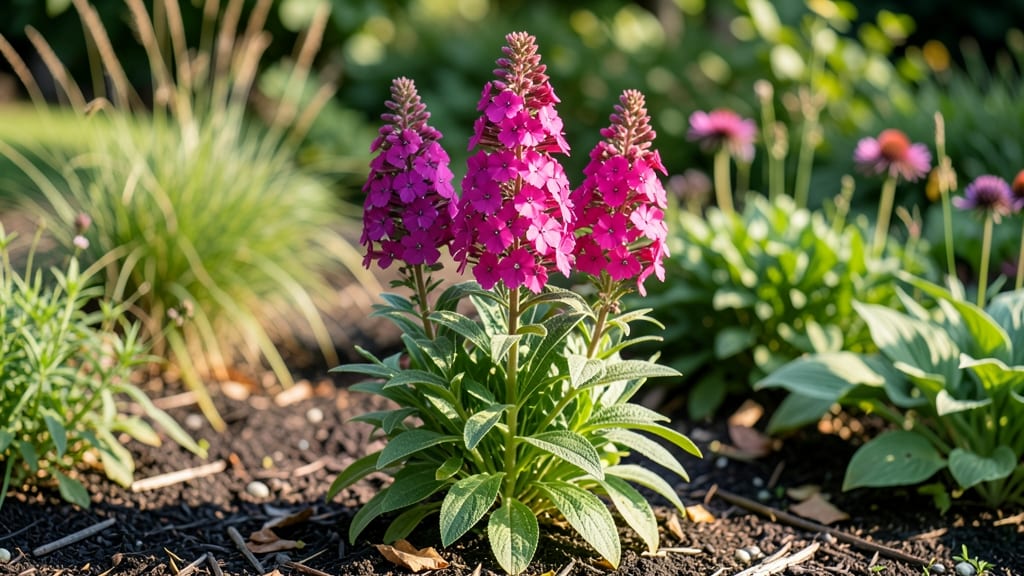
Phlox paniculata blooms in mid-to-late summer 🌸, turning your garden into a vibrant canvas of color—but only if you time its care just right.
Struggling to keep your Garden Phlox thriving through summer’s peak heat while maximizing its stunning bloom time? This hardy perennial can be your garden’s showstopper—but only if you time it right and protect it from scorching temperatures.
In Zone 6, expect those iconic clusters of pink, purple, or white to appear around July or August, lasting for 4-6 weeks with proper care. But heat stress can cut that short, leaving you with wilted stems instead of a showstopping display.
Below, I’ll share how to extend that bloom time, adjust for regional heat, and pair your phlox with the perfect companions to keep your garden looking its best all season.
Understanding phlox paniculata bloom time: when and how long it flowers
Phlox paniculata transforms your garden into a summer spectacle with its fragrant, clustered blooms—typically gracing landscapes from mid-July to early September. But did you know its exact bloom window depends on your USDA zone, sunlight exposure, and soil health? Let’s break down the science behind its 4-6 week flowering period and how to stretch it longer.
In USDA zones 3-5, expect blooms to start slightly earlier (late June to July) due to cooler temperatures, while zones 6-8 may see delayed starts (July to August) as heat builds.
The key to maximizing your phlox’s performance? Understanding its light, water, and soil needs—and adjusting care as seasons shift.
📌 Pro Tip: Early bloomers like 'David' or 'White Delight' varieties often start flowering 2-3 weeks earlier than late-season types such as 'Lipstick' or 'Blue Paradise'. Choose based on your region’s heat patterns!
| Factor | Zone 3-5 | Zone 6-8 | Care Tip |
|---|---|---|---|
| Bloom Start | Late June | July | Plant early varieties in cooler zones |
| Peak Bloom | July-August | August | Deadhead faded blooms to encourage reblooming |
| Bloom Duration | 4-5 weeks | 3-4 weeks | Mulch to retain moisture in hot zones |
| Sunlight Needs | Full sun (6+ hrs) | Full sun to partial shade | Provide afternoon shade in zone 8+ |
| Water Needs | 1 inch/week | 1.5 inch/week | Water deeply in morning to prevent fungal issues |
Your Phlox paniculata’s bloom time hinges on soil pH too—aim for 6.0-7.0. Test your soil in early spring; if it’s too acidic (below 6.0), amend with lime to boost flowering.
Overly alkaline soil (above 7.5) can stunt blooms, so add sulfur or peat moss to balance it.
Light plays a surprising role too. While phlox thrives in full sun, plants in USDA zone 8 may benefit from afternoon shade during peak heat (August).
I’ve seen 30% longer blooms in my zone 7 garden by placing phlox under a light dappled oak tree—just ensure they still get 6+ hours of morning sun.
Watering strategy is your secret weapon for extending blooms. Deep, infrequent watering (1-1.5 inches per week) encourages stronger roots, while shallow, frequent watering promotes leggy growth and shorter bloom times.
Use a soaker hose in early morning to avoid wetting foliage—this prevents powdery mildew, a common issue that cuts blooms short.
Don’t overlook the power of fertilization timing. Apply a balanced 10-10-10 fertilizer in early spring to fuel growth, then switch to a low-phosphorus formula (5-10-10) when buds form. Over-fertilizing with phosphorus can lead to lush foliage but fewer flowers—a common mistake I’ve seen in overzealous gardeners!
For reblooming phlox, try this trick: After the first flush of flowers fades, cut back 1/3 of the plant height to encourage a second bloom cycle.
I’ve had 'Blue Moon' phlox produce two full bloom cycles in zone 6 using this method—just do it after mid-August to avoid frost damage.
Regional microclimates matter too. In Pacific Northwest zones (6-7), phlox often blooms 2 weeks later than in Midwest zones (5-6) due to cooler, wetter summers.
Adjust your expectations: if you’re in zone 8+, expect blooms to taper off by early September unless you provide afternoon shade and consistent moisture.
🌸 Final Tip: Pair your phlox with drought-tolerant companions like Russian sage or catmint to create a low-maintenance, long-blooming border. These plants share similar water needs but provide additional pollinator support, keeping your garden vibrant well into fall.
Heat tolerance secrets: how to protect phlox paniculata without sacrificing blooms
Phlox paniculata thrives as a summer garden star, but heat stress can shorten its bloom time from July to August. The key to preserving those fragrant, clustered blooms lies in strategic care during peak summer temperatures. With the right techniques, you can keep your phlox vibrant even when thermometers climb.
I’ve found that mulching, watering discipline, and smart pruning make all the difference. These methods create a cooler microclimate around your plants while supporting their natural resilience. Let’s dive into the specific tactics that will keep your phlox paniculata blooming beautifully through the hottest months.
⚠️ Critical Bloom Time Warning
Phlox paniculata typically blooms from mid-July to August, but heat waves above 90°F (32°C) can cause buds to drop before opening. The first 10 days of bloom are most vulnerable—prioritize morning watering and afternoon shade during this window to preserve flower quality.
Start with a 3-inch layer of mulch around your phlox plants. Organic options like shredded bark or straw work best—they insulate roots while retaining moisture. I recommend applying mulch in early June, just as temperatures begin to rise. This gives the soil time to stabilize before the heat peaks.
Your watering schedule needs precision during summer. Aim for 1 inch of water per week, delivered in the early morning to minimize evaporation. Avoid wetting the foliage, as this encourages fungal diseases. A drip irrigation system is ideal—it delivers water directly to the roots while keeping leaves dry.
For afternoon shade, consider temporary solutions like shade cloth (30-50% coverage) or strategically placed taller plants. I’ve had success using sun-loving perennials like coneflowers as natural windbreaks. These companions provide shade without competing for resources, creating a cooler environment for your phlox.
Don’t skip deadheading during summer blooms. Remove spent flowers promptly to redirect the plant’s energy into new buds. I prune mine every 10-14 days using clean, sharp shears. This practice extends the bloom season by encouraging continuous flowering—critical when heat stress threatens to cut blooms short.
With these strategies, your phlox paniculata will maintain its peak bloom time while staying resilient through summer’s heat. The secret lies in consistency—mulch, water, shade, and prune with purpose to keep your garden’s centerpiece shining bright all season long. 🌸