
Blooming
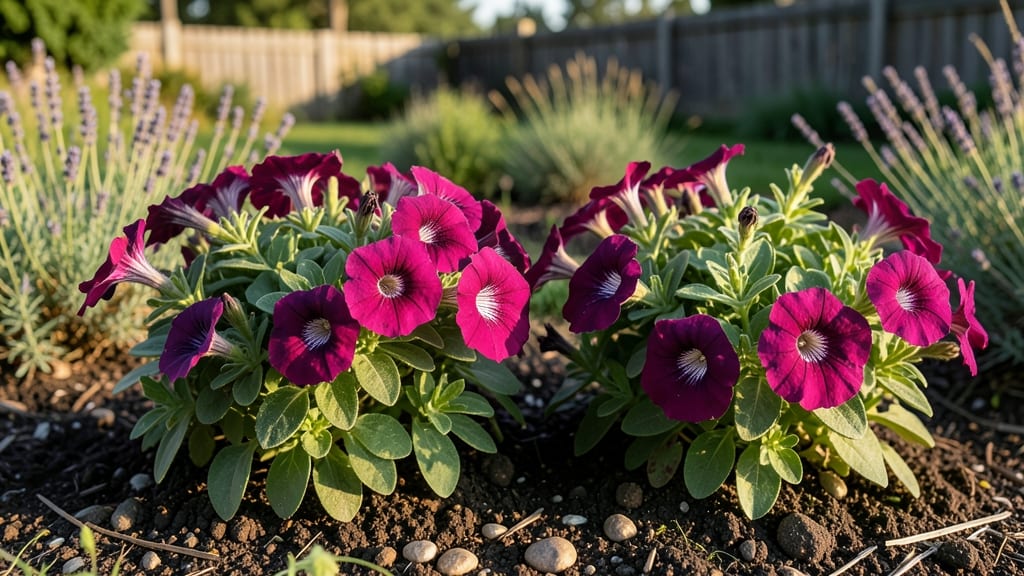
Petunias bloom from early summer to frost, turning gardens into vibrant canvases 🌸—but their timing depends on variety, care, and where you live.
Picture this: you’ve planted your favorite grandiflora petunias in early spring, only to wait weeks for a single bloom. Or maybe your wave petunias are thriving but refuse to open fully. The secret? Understanding their natural bloom cycles—and how to tweak them for your climate.
Some petunias burst into color in just 60 days, while others take twice as long. Heat, sunlight, and even soil pH can shift their schedules by weeks. In Zone 6a, for example, early bloomers may start in June, while late varieties hold on until October’s first frost.
In this guide, I’ll break down bloom times by variety, share 5 pro tips to extend your petunias’ show, and reveal how to troubleshoot slow starters—so you can enjoy nonstop color from spring to fall.
Petunia bloom time by variety: fast-blooming vs. long-lasting types
Choosing the right petunia variety can transform your garden from a short-lived splash of color to a season-long floral extravaganza. Some types burst into bloom within weeks, while others take longer but reward you with months of vibrant flowers.
Understanding these differences helps you plan for continuous color or quick seasonal impact—depending on your gardening goals.
The bloom cycle of petunias isn’t one-size-fits-all. Hybrid varieties often outperform heirlooms in both speed and duration, thanks to selective breeding for disease resistance and prolonged flowering. Meanwhile, heirloom types may offer unique colors but typically require more care and attention to maintain their blooms.
Let’s break down the key players in the petunia world and their timing quirks.
Grandiflora petunias are the showstoppers, with large, dramatic blooms that can take 70-90 days to first flower but deliver 6-8 weeks of peak performance. These are ideal for container gardens or hanging baskets where their showy flowers can be the focal point. However, their longer maturation time means you’ll need to plan ahead if you want early-season color.
Multiflora varieties strike a balance, offering compact growth and continuous blooms from 50-70 days after planting. These are perfect for bedding plants or mass plantings where you want dense, uniform color. Their reblooming tendencies make them a favorite for long-lasting displays, especially when paired with regular deadheading.
Milliflora petunias are the fastest bloomers, often flowering in just 45-60 days and producing tiny, clustered blooms that create a lush, carpet-like effect. These are ideal for ground cover or spiller varieties in containers. While their individual blooms are small, their abundance and speed make them unbeatable for quick color.
Wave petunias are the workhorse varieties, designed for heat tolerance and long bloom periods. They typically flower in 55-75 days and continue producing blooms until first frost in many climates. Their trailing habit makes them perfect for hanging baskets or spilling over edges, while their disease resistance ensures they stay healthy even in humid conditions.
| Variety | Days to First Bloom | Peak Bloom Period | Reblooming Tendency | Best For |
|---|---|---|---|---|
| Grandiflora | 70-90 days | 6-8 weeks | Moderate (needs deadheading) | Containers, focal points |
| Multiflora | 50-70 days | 8-10 weeks | High (continuous) | Bedding, mass plantings |
| Milliflora | 45-60 days | 10-12 weeks | Very High (prolific) | Ground cover, spillers |
| Wave | 55-75 days | 10-12 weeks | High (heat-tolerant) | Hangings, heat zones |
Hybrid varieties like Wave petunias and multiflora types are bred to outperform heirlooms in bloom duration and disease resistance. For example, Supertunia hybrids can bloom from early summer until frost with minimal care, thanks to their built-in vigor.
Meanwhile, heirloom varieties like Petunia axillaris may take longer to bloom but offer unique fragrances and old-fashioned charm.
If you’re aiming for early-season color, prioritize milliflora or wave varieties, which can be ready to bloom in as little as 45 days. For long-lasting displays, multiflora or grandiflora types are your best bet, especially when combined with regular deadheading to encourage new blooms. In
How climate zones affect petunia bloom time: cold vs. warm regions
Petunias thrive in warm climates but struggle with cold temperatures, making USDA climate zones the key factor in their bloom timing. In zones 3-7, gardeners often treat them as annuals due to frost sensitivity, while zones 8-11 can coax extended blooms with proper care.
Understanding your zone helps you time planting for the longest possible display.
Cold regions like zones 3-5 typically see blooms from late spring to early fall, while warmer zones 9-11 can enjoy petunias nearly year-round with overwintering strategies.
The difference comes down to temperature triggers—petunias need consistent warmth to initiate flowering, which happens naturally in summer but requires seasonal adjustments in cooler areas.
| USDA Zone | Planting Window | Bloom Season | Key Consideration |
|---|---|---|---|
| Zones 3-5 | After last frost (May-June) | June-August | Frost-sensitive; treat as annual |
| Zones 6-7 | April-May (soil 50°F+) | May-September | Early frost risk; mulch for extension |
| Zones 8-9 | March-April or fall | Spring-fall (year-round with care) | Overwinter with mulch/container |
| Zones 10-11 | Year-round (container ideal) | Nearly continuous | Heat tolerance; prune for shape |
In cooler zones 3-5, petunias bloom 4-6 weeks after planting but often fade by early fall frost. Gardeners here should focus on fast-blooming varieties like milliflora for quick color.
For zones 6-7, extend the season by planting early varieties in spring and late-blooming types in summer to stagger displays.
Warmer climates like zones 8-11 offer unique opportunities. In zone 9, I’ve kept petunias blooming until December by moving containers to protected microclimates and using lightweight row covers during cool snaps.
For zones 10-11, petunias can flower year-round with minimal care—just watch for heat stress (yellowing leaves) and provide afternoon shade during peak summer.
To extend blooms in cooler regions, try these seasonal adjustments: Start seeds indoors 8-10 weeks before last frost, use black plastic mulch to warm soil, and choose disease-resistant varieties like Supertunia.
In warm zones, deadhead daily and fertilize with low-nitrogen feed every 3-4 weeks to maintain vibrant blooms.
Remember, light requirements matter more than temperature alone. Petunias need 6+ hours of sun daily—even in warm zones, shady spots will delay blooming. Pair your petunias with heat-tolerant companions like lantana or verbenas to create a long-blooming garden that thrives across zones.