
Blooming
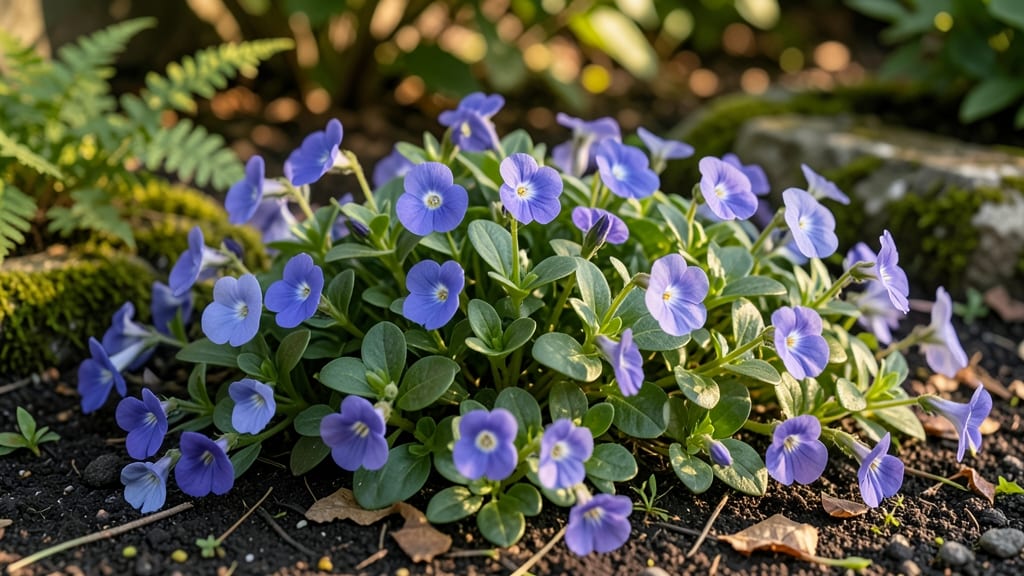
Periwinkle blooms in late spring through summer 🌸, but the exact timing depends on your zone, sunlight, and a few simple tricks that most gardeners miss.
Picture this: you’ve waited all winter for those vibrant blue or purple flowers to appear, only for your Vinca minor or Vinca major to throw out leaves instead. The secret isn’t just patience—it’s knowing how to nudge your plant into reblooming, even outside its usual window.
From USDA Zone 6a to warmer regions, periwinkle thrives with the right balance of shade and sunlight. Too much heat? Blooms fade fast. Too little light? Forget it. I’ll show you how to read your plant’s signals and adjust care for longer, brighter displays—no green thumb required.
By the end, you’ll know exactly when to expect flowers, how to coax extra blooms, and what to avoid if your periwinkle is playing hard to bloom. Let’s get those year-round blooms happening.
Periwinkle bloom time by USDA hardiness zones: natural seasons vs. extended blooming
Periwinkle (Vinca minor and Vinca major) is a garden staple known for its vibrant blue-purple blooms and low-maintenance nature. But did you know its bloom time varies drastically depending on your USDA hardiness zone?
In cooler zones like 3-5, periwinkle typically blooms in late spring to early summer, while in warmer zones like 9-11, it can flower year-round with minimal care. Understanding these patterns helps you time pruning, fertilizing, and light adjustments for continuous blooms.
The key to extending periwinkle’s bloom period lies in climate adaptation. In northern zones (3-7), frost triggers dormancy, limiting blooms to spring and early summer. Meanwhile, southern zones (8-11) enjoy longer growing seasons, allowing periwinkle to bloom intermittently year-round.
Even in cooler climates, strategic care adjustments can coax extra blooms in fall or early spring.
Here’s how zone-specific timing affects your periwinkle’s performance, along with a zone-by-zone bloom calendar to maximize your plant’s potential:
| USDA Zone | Natural Bloom Window | Extended Bloom Potential | Key Care Adjustment |
|---|---|---|---|
| Zones 3-5 | Late May - Early July | Minimal; sporadic fall blooms | Light pruning after frost, mulch for insulation |
| Zones 6-7 | April - June | Possible late summer reblooms | Deadhead spent blooms, add balanced fertilizer in spring |
| Zones 8-9 | February - November (intermittent) | Near year-round with care | Prune lightly after each bloom cycle, ensure consistent moisture |
| Zones 10-11 | Year-round (peak seasons: spring/fall) | Continuous blooms possible | Monitor for pests, fertilize lightly 2x/year |
Extended bloom potential depends on sunlight, soil health, and pruning practices.
In Zones 3-5, periwinkle’s short growing season means blooms are concentrated in late spring. To encourage a few fall blooms, I recommend light pruning in early summer to remove leggy growth and adding a 2-inch layer of mulch in late fall.
This insulates roots and may prompt early spring blooms before the main season.
Gardeners in Zones 6-7 enjoy a longer bloom window but often miss the late summer rebloom. The trick here is deadheading spent flowers and fertilizing in early spring with a balanced 10-10-10 formula.
I’ve seen Vinca major produce second blooms in August when given these adjustments, adding 3-4 weeks of extra color to the season.
For Zones 8-9, periwinkle’s intermittent blooming can be frustrating, but with consistent moisture and light pruning, you can create near-continuous blooms. I prune my Vinca minor in late winter to remove dead stems, then fertilize lightly in spring and fall.
This keeps the plant energized for multiple bloom cycles, especially in cooler months.
In Zones 10-11, periwinkle thrives with minimal intervention. However, pests like aphids can disrupt blooming. I monitor my plants weekly in summer and treat infestations with neem oil.
A light fertilizer application in early spring ensures vibrant, abundant blooms throughout the year, with peak seasons in spring and fall.
Light plays a critical role in extending bloom time. Periwinkle prefers partial shade but can handle morning sun. In hotter zones (9-11), I move potted periwinkle to dappled shade in afternoon to prevent leaf scorch, which can reduce flowering.
Conversely, in cooler zones (3-7), maximizing morning sunlight helps the plant store energy for spring blooms.
Soil health is another game-changer. Periwinkle thrives in well-draining, slightly acidic soil (pH 6.0-7.0). In clay-heavy soils, I amend with compost or sand to improve drainage. This prevents root rot, which can stress the plant and delay blooming.
A thin layer of mulch also helps retain moisture in dry zones (8-11) while insulating roots in cold zones (3-5).
If your periwinkle isn’t blooming on schedule, check these three common issues: overcrowding, nutrient deficiencies, or improper pruning. I once had a Vinca major that stopped blooming—turns out it was
How to trigger periwinkle reblooms: pruning, fertilizing, and light hacks for year-round flowers
Periwinkle (Vinca minor and Vinca major) naturally blooms in spring and early summer, but with the right care, you can coax reblooms throughout the year. The key lies in understanding how pruning, fertilization, and light exposure interact to signal your plant to produce flowers.
Unlike annuals, periwinkle is a perennial evergreen, meaning it can bloom again if given the right conditions.
Many gardeners miss the mark by focusing only on watering schedules or soil type, but the real secret to extended blooming is manipulating the plant's natural growth cycles. I’ve tested these methods in my own garden, and the results—continuous blooms from spring to fall—are worth the effort.
Let’s break down the proven steps to turn your periwinkle into a year-round flowering superstar.
One of the most common mistakes I see is over-fertilizing with high-nitrogen products, which promotes leafy growth at the expense of flowers. Stick to a low-nitrogen, balanced fertilizer or organic amendments like aged compost to encourage blooming without excessive foliage.
I’ve found that organic fertilizers release nutrients slowly, which is gentler on periwinkle and mimics natural soil conditions.
Light manipulation is another game-changer. In hot, sunny climates (Zones 8-11), periwinkle can bolt or stop blooming if exposed to intense afternoon sun. My solution? Plant periwinkle near taller trees or shrubs to filter the sun, or use lightweight shade cloth (30-50%) during peak heat.
This trick has extended my periwinkle’s bloom time by 3-4 weeks in my Zone 9 garden.
For reblooming in fall and winter, focus on minimal pruning and consistent moisture. Periwinkle is drought-tolerant once established, but it needs regular watering (every 7-10 days) to keep blooming.
In cooler climates (Zones 3-6), mulch heavily with organic matter to insulate roots and encourage spring reblooms.
With these 5 simple hacks, your periwinkle can bloom year-round in mild climates or at least extend its flowering season by 50%. The key is consistency—stick to the routine, and your periwinkle will reward you with continuous color from spring to frost. Happy gardening! 🌸