
Blooming
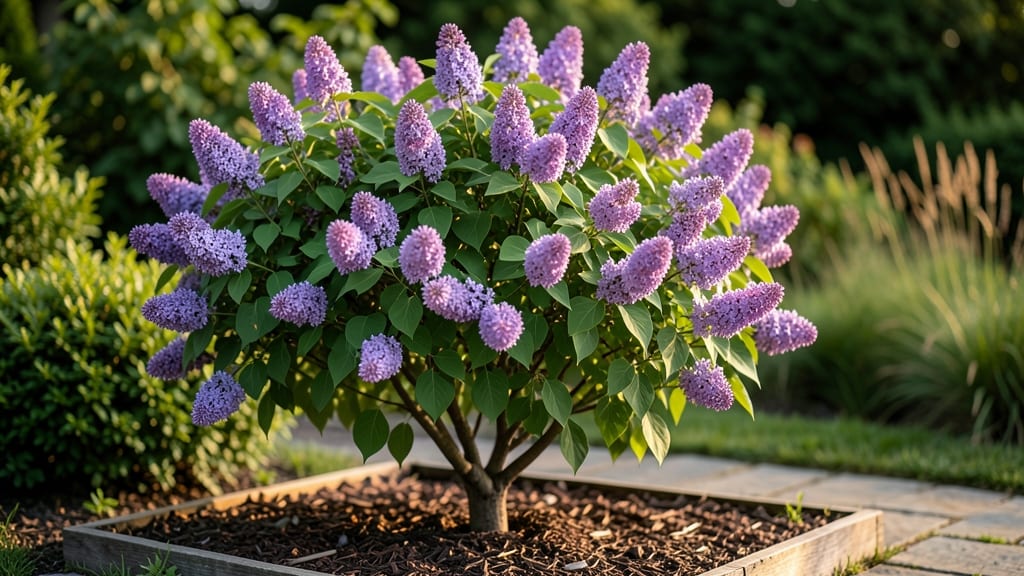
Your garden's first fragrant signal arrives when lilacs bloom—typically late May to early June in most regions, though timing shifts dramatically with climate and variety. 🌸 I've watched my French lavender lilac push through its purple buds weeks earlier than the common 'Katherine Havemeyer' in my zone 5 yard, proving that bloom time isn't set in stone.
The real secret lies in three factors: your hardiness zone (warmer zones bloom earlier), last year's pruning (too aggressive delays blooms), and winter chill hours (some varieties need 500+ hours below 45°F).
My late-blooming 'Miss Canada' always puts on its pink show in June because it's a late-season hybrid bred for cooler climates. To time your garden's peak fragrance, plant complementary bloomers: clematis for early support, peonies for midseason lushness, and roses for late summer color. The result?
A three-month perfume festival that starts with lilacs and ends with roses. For gardeners in warmer zones (7-9), expect blooms as early as March-April, while northern gardeners (zones 3-4) might see lilacs hold off until June.
The key is observing your local lilac's pattern for three years—then adjust pruning and plant pairings accordingly.
📚 In This Guide
- What you need
- Instructions
- Tips and common mistakes
- Wrapping up and next steps
What you need
- ● Lilac plants: Choose between bare-root (dormant, cheaper, best for fall planting) or potted (ready to plant, ideal for spring). Quantity: 3–5 plants for a small garden, 5–10+ for a statement border.
- ● Pruning shears: Sharp, bypass-style shears (avoid anvil types—they crush stems). Spec: 6–8" blade for precision.
- ● Garden gloves: Heavy-duty, nitrile-coated for thorn protection (lilacs can be prickly!).
- ○ Compost or aged manure: 5–10 lbs per plant to enrich soil. Optional: Slow-release fertilizer (10-10-10 ratio, 1 lb per 10 sq ft).
- ● Mulch: 2–3 inches of wood chips or straw to retain moisture and suppress weeds.
- ● Watering can or hose: With a gentle spray nozzle to avoid disturbing roots.
- ○ Stakes or plant supports: Optional but helpful for young plants in windy areas (3–4 ft bamboo stakes).
- ● Sunlight: Full sun (6+ hours/day) for optimal blooming. Partial shade (4–6 hrs) works but may reduce fragrance.
- ● Soil: Well-draining, slightly alkaline (pH 6.5–7.5). Amend clay soil with 1 part sand to 2 parts compost.
- ● Spacing: Variety Spacing (ft) Dwarf lilacs (e.g., 'Miss Kim') 3–4 ft apart Standard lilacs (e.g., 'Katherine Havemeyer') 6–8 ft apart
- ● Timing: Bare-root: Plant in late fall or early spring (before buds swell).
- ● Potted: Plant in early spring (after last frost) or fall (6 weeks before first freeze).
- ● 🔥 Test your soil: Use a pH test kit ($5–$10 at garden centers). Lilacs thrive in alkaline soil—add lime if needed.
- ● ✨ Choose varieties wisely: Early bloomers (e.g., 'Sybille') for late April–May fragrance; late bloomers (e.g., 'Charles Jolly') for June color.
- ● 🌡️ Watering schedule: Deep water 1–2x/week (1 inch total) for the first year. Reduce to weekly once established.
How to time lilac blooms for peak fragrance and beauty
Lilacs reward patience with their intoxicating scent and showy clusters. Here's how to coax the best blooms from your plants.
🌱 Step 1: Understand Your Lilac's Variety and Climate Zone
Most lilacs bloom in late spring, but timing varies by species and your USDA hardiness zone. Early bloomers like Syringa vulgaris (common lilac) typically flower in April-May, while late varieties such as Syringa meyeri (Meyer lilac) may wait until May-June. Check your plant's tag or consult a local nursery—some varieties bloom earlier in warmer zones (6-7) than in colder ones (4-5).
Here's the thing—lilacs need 600-1,000 chill hours (temperatures below 45°F) to set buds properly. If you're in a mild climate (like zone 8), your lilacs might bloom later or produce fewer flowers. In those cases, consider dormant-season chilling (wrapping plants in burlap during winter) or choosing varieties bred for your zone.
☀️ Step 2: Provide Optimal Sun and Prune Strategically
Lilacs thrive in full sun (6-8 hours daily) for robust blooms. If your plant gets less, it’ll produce fewer flowers. Watch for leaf scorch (brown edges) in hotter zones—this means it’s getting too much midday sun. In those cases, prune nearby trees or plant shade-tolerant companions like hostas to filter harsh afternoon rays.
Pruning is where most gardeners go wrong. Never prune after mid-summer—this removes next year’s flower buds. Instead, prune right after blooming (late May-June) to shape the plant and remove dead wood. Cut just above a bud facing outward to encourage an open, airy form. I like to use clean, sharp loppers—dull tools tear bark, inviting disease.
💧 Step 3: Water Deeply and Mulch for Consistent Moisture
Lilacs have shallow roots, so they need 1-2 inches of water weekly during their first growing season. After that, they’re drought-tolerant but still prefer consistent moisture. Water deeply once a week (or more in extreme heat) until the soil is 6 inches deep and damp. You’ll know it’s right when the top inch feels dry to the touch but the lower soil stays moist.
Apply 2-3 inches of organic mulch (like shredded bark) around the base to retain moisture and regulate soil temperature. Keep mulch 6 inches away from the trunk—piling it against the stem causes rot. In my zone 5 garden, mulching in early spring helps the roots warm up gradually, which triggers bud formation.
✂️ Step 4: Fertilize Lightly and Avoid Overfeeding
Lilacs don’t need much fertilizer—too much nitrogen leads to leafy growth at the expense of flowers. In early spring, apply a balanced 10-10-10 fertilizer (or organic options like composted manure) at half the recommended rate. Scatter it 6 inches from the trunk and water it in immediately to prevent root burn.
I’ve seen gardeners overdo it with phosphorus-heavy fertilizers (like bone meal) hoping for bigger blooms—this backfires. Lilacs already produce abundant flowers when happy. Instead, focus on well-draining soil (amend with compost if needed) and regular pruning to encourage strong, healthy growth. You’ll notice fewer but larger, more fragrant blooms the next season.
⏰ Step 5: Extend the Bloom Season with Simple Tricks
To enjoy lilacs longer, deadhead spent blooms (cut clusters down to the first set of leaves) as they fade. This redirects the plant’s energy to new flower buds instead of seed production. I also prune lightly in late summer (after blooming) to remove any straggly growth—this keeps the plant tidy and encourages a second flush of smaller blooms in some varieties.
For a second bloom, try lightly fertilizing with a high-phosphorus formula (like 5-10-5) in early summer. This isn’t guaranteed—it depends on your climate and lilac variety—but it’s worth a try. In my experience, Meyer lilacs respond best to this trick, often producing a modest second round of flowers in late summer.
Tips & tricks for perfect lilac bloom timing
These insider secrets will help you maximize fragrance and beauty from your lilac bushes year after year.
Variety-Specific Care: Did you know Meyer lilacs often produce a second bloom in late summer? This happens because they're more forgiving about pruning timing. For common lilacs (Syringa vulgaris), stick to the strict late May-June pruning window to protect next year's flower buds. I've seen gardeners accidentally prune too late and end up with sparse blooms the following spring—don't make that mistake!
Chill Hour Hack: If you're in zone 8 or warmer where natural chill hours are scarce, try this dormancy trick: Wrap young lilac plants in burlap during winter and place them in a shaded, protected area. This mimics the cold exposure they need. For established plants, consider a simple DIY chilling chamber using a refrigerator set to 40°F for 3-4 weeks during winter—just don't let them freeze!
Sunlight Strategy: The 6-8 hours of daily sun requirement is non-negotiable, but here's what I've learned about implementing it: In hotter climates, provide afternoon shade between 2-4pm to prevent leaf scorch while still getting those crucial morning sun hours. I use shade cloth rated for 30-50% coverage during peak summer afternoons. This balance keeps leaves healthy while maintaining the flowering stimulus from morning light.
Pruning Precision: When pruning in late May-June, look for the "bud facing outward" - it should be on the outer third of the branch. This creates an open, airy growth habit that prevents disease and allows sunlight to penetrate to lower branches. I mark my cuts with a small piece of masking tape before making the cut to ensure I'm cutting above the right bud—this simple trick prevents those awkward pruning mistakes that can ruin a plant's shape.
Pro Tips for Lilac Bloom Time
- These insider secrets will help you maximize fragrance and beauty from your lilac bushes year after year.
- Variety-Specific Care: Did you know Meyer lilacs often produce a second bloom in late summer? This happens because th...
- Chill Hour Hack: If you're in zone 8 or warmer where natural chill hours are scarce, try this dormancy trick: Wrap yo...
Frequently asked questions
Got questions about lilac bloom time?
You’re not alone! Here are answers to the most common queries—so you can plan your garden like a pro.
When do lilacs typically bloom?
Most lilacs bloom in late spring, usually between mid-April and early June, depending on your climate. Northern regions see blooms earlier (April–May), while southern gardens may wait until May–June. Check your USDA zone for precise timing!
Why aren’t my lilacs blooming this year?
Lilacs need full sun (6+ hours/day) and well-draining soil. Poor blooms can also signal over-fertilizing (too much nitrogen), pruning at the wrong time, or dormant season stress. Prune right after blooming (never in fall!) and feed with low-nitrogen fertilizer in early spring.
Can I force lilacs to bloom earlier?
No, lilacs bloom based on chill hours (cold winter exposure). However, you can extend their season by planting early-blooming varieties (like ‘Katherine Havemeyer’) or late-bloomers (e.g., ‘Miss Kim’). Avoid warm winter mulch—it can confuse their dormancy cycle!
What if my lilac blooms fade too quickly?
Short-lived blooms often mean thirsty roots or poor soil. Water deeply 1–2 times/week (drought stress = fewer flowers). Amend soil with compost and mulch to retain moisture. Deadhead spent blooms to encourage reblooming (though most lilacs are one-and-done!).
Are there lilacs that bloom later in the season?
Yes! Reblooming lilacs (like ‘Bloomerang’ or ‘Dakota Cream’) produce two flushes of flowers: once in spring and again in summer. These hybrids need regular pruning (after each bloom cycle) to thrive. Perfect for extending your garden’s fragrance party!
Still stumped? Drop your lilac woes in the comments—we’ve got solutions!
Wrapping up and next steps
Watching lilacs burst into bloom is one of spring’s sweetest joys—whether you’re a seasoned gardener or just starting your green thumb journey! 🌸 Their timing, fragrance, and versatility make them a must-have for any garden, from cottage charm to modern minimalism.
Now that you know when and how to nurture them, it’s time to roll up your sleeves and plant your own fragrant masterpiece.
Ready to transform your outdoor space? Start by choosing your favorite lilac variety (early bloomers, late bloomers, or even dwarf types) and pick a sunny spot in your yard. Then, grab your gardening tools and check off the supplies you’ll need—your garden’s springtime stunner awaits! 🌱