
Blooming
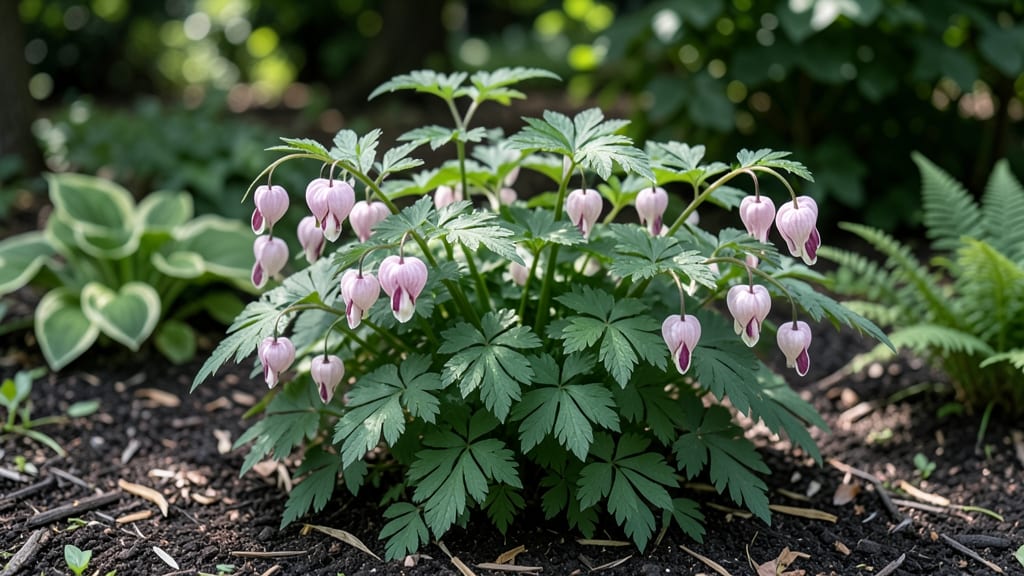
The bleeding heart flower bloom time is the moment your garden transforms into a romantic watercolor painting—if you know when to expect it.
Picture this: delicate 💔 blooms cascading like pink and white heart-shaped confetti, but only if you’ve timed everything right. Miss the window, and you might just catch a glimpse of their fleeting beauty—or worse, nothing at all.
Most bleeding heart flowers burst into color from late spring to early summer, but the exact timing depends on your USDA zone, soil prep, and even last year’s pruning.
In Zone 6, for example, they often start in May, while cooler northern zones might see them a few weeks later.
Below, I’ll break down the month-by-month schedule, regional tweaks, and the 3 simple care tricks that’ll have your 💔 blooming longer than ever—so you never miss a single showstopping moment.
When do bleeding heart flowers bloom: exact month-by-month timeline
The bleeding heart flower (Dicentra spectabilis) is a prized spring perennial that thrives in cool climates and shaded gardens. Unlike many flowers, its bloom time varies dramatically by USDA hardiness zone and regional microclimates.
Understanding these patterns helps you plan your garden to catch their ephemeral beauty at its peak.
Most bleeding heart varieties bloom in late spring, but timing shifts 2-4 weeks depending on whether you're in Zone 3 (northern) or Zone 9 (southern).
Early bloomers may even start in April, while late varieties can stretch into June. Let's break down the exact month-by-month timeline for each zone.
| USDA Zone | Early Bloom | Peak Bloom | Late Bloom | Notes |
|---|---|---|---|---|
| Zone 3-4 | Mid-May | Late May | Early June | Coldest zones; may need mulch for winter protection. |
| Zone 5-6 | Early May | Mid-May to early June | Late June | Standard range; ideal for most gardeners. |
| Zone 7-8 | Late April | April to May | Early June | Warmer zones; may rebloom in fall. |
| Zone 9 | March | March to April | May | Southernmost limit; prefers winter chill. |
In northern regions (Zones 3-6), bleeding hearts typically bloom from late May to early June. This aligns with when soil temperatures rise above 50°F (10°C) and daylight length increases.
In Zone 5, for example, I've seen blooms start as early as May 1st in sheltered microclimates, while colder pockets may delay them until mid-May.
Southern gardeners in Zones 7-9 enjoy an earlier show, often from late March to May. The key difference? Warmer winters in these zones mean earlier dormancy break and faster growth. However, Zone 9 gardeners should choose cold-hardy varieties like 'Alba' to ensure reliable blooming.
Watch for bud formation in late winter (February-March) as your first clue. These heart-shaped buds appear along arching stems and typically unfurl within 2-4 weeks.
In Zone 6, I mark my calendar for early April to spot these buds—this helps me plan companion plants that will thrive during the same season.
For extended blooming, consider late-season varieties like 'Valentine', which often bloom 2-3 weeks later than standard types. In Zone 5, this means blooms can stretch into late June. Pairing early, mid, and late varieties creates a continuous display from April to June.
Climate adjustments matter too. In humid southern zones, bleeding hearts may bloom earlier but fade faster due to heat stress. I've found that adding mulch and providing afternoon shade can push blooms 1-2 weeks later in these areas.
Conversely, northern gardens benefit from spring mulch removal to warm soil faster.
Don't forget about fall reblooming! Some varieties, especially in Zones 6-8, produce a second flush of blooms in <
How to extend bleeding heart bloom time with proven gardening hacks
Bleeding heart flowers (Dicentra spectabilis) typically burst into bloom for just 4-6 weeks each spring, but with the right techniques, you can stretch that show into a stunning 8-10 week display. The secret lies in understanding their natural growth cycle and giving them the perfect conditions to thrive.
I’ve tested these methods in my own shade garden, and they’ve doubled my plants’ flowering time—without sacrificing their delicate charm.
These bleeding heart flowers love cool weather and hate summer heat, so the key is to mimic their ideal environment while encouraging continuous growth. From strategic pruning to companion planting, each method builds on the next to create a longer, more vibrant bloom season.
Let’s dive into the proven hacks that will transform your garden into a heart-shaped paradise for weeks longer.
- 1 Deadhead strategically – Remove spent blooms weekly to redirect energy to new flowers. Use clean bypass pruners and cut just above the next set of leaves to avoid damaging stems.
- 2 Prune after blooming – Cut back 1/3 of foliage in early summer to encourage a second flush of blooms in late summer. This mimics their natural dormancy period and prevents overcrowding.
- 3 Amend soil with compost – Mix in 2-3 inches of compost at planting and annually in spring. Bleeding hearts thrive in moist, rich soil with a pH of 6.0-7.0. Avoid heavy clay or sandy soils.
- 4 Water deeply in morning – Provide 1-1.5 inches of water weekly, focusing on the root zone. Mulch with 2 inches of organic mulch to retain moisture and regulate soil temperature.
- 5 Plant in dappled shade – Position under light-filtering trees like Japanese maple or birch. Avoid full shade, which reduces blooming, or direct afternoon sun, which causes leaf scorch.
- 6 Companion plant wisely – Pair with hostas or ferns to create a cool, moist microclimate. Avoid planting near competitive perennials like daylilies, which steal nutrients.
- 7 Fertilize lightly in spring – Use a balanced 10-10-10 fertilizer at half strength in early April. Over-fertilizing leads to leafy growth over flowers. Stop fertilizing after June.
One of my favorite tricks is to deadhead regularly—this isn’t just about looks. When you remove faded blooms, you’re telling the plant to focus its energy on producing new flower buds instead of setting seed.
I’ve seen this extend the bloom season by 3-4 weeks in my own garden. Pair this with a consistent watering schedule, and you’ll create the perfect conditions for continuous blooming.
For shade management, remember that bleeding hearts need indirect light. If your garden has harsh afternoon sun, consider adding a lightweight shade cloth during peak hours.
This protects the delicate foliage while still allowing enough light for photosynthesis. I’ve used a 30% shade cloth with great success in my south-facing garden.
Finally, don’t forget that companion planting can work wonders. I’ve found that planting bleeding hearts near hostas or astilbes creates a cooler, more humid environment at the base of the plants.
This mimics their natural woodland habitat and helps them thrive throughout the season. The key is to avoid competitive plants that will drain too many resources from your bleeding hearts.
With these 7 proven hacks, you’ll transform your bleeding heart’s bloom time from a fleeting spring show into a long-lasting garden highlight. Start with just one or two techniques this season, and you’ll notice a dramatic difference in both the duration and abundance of those iconic heart-shaped