
Blooming
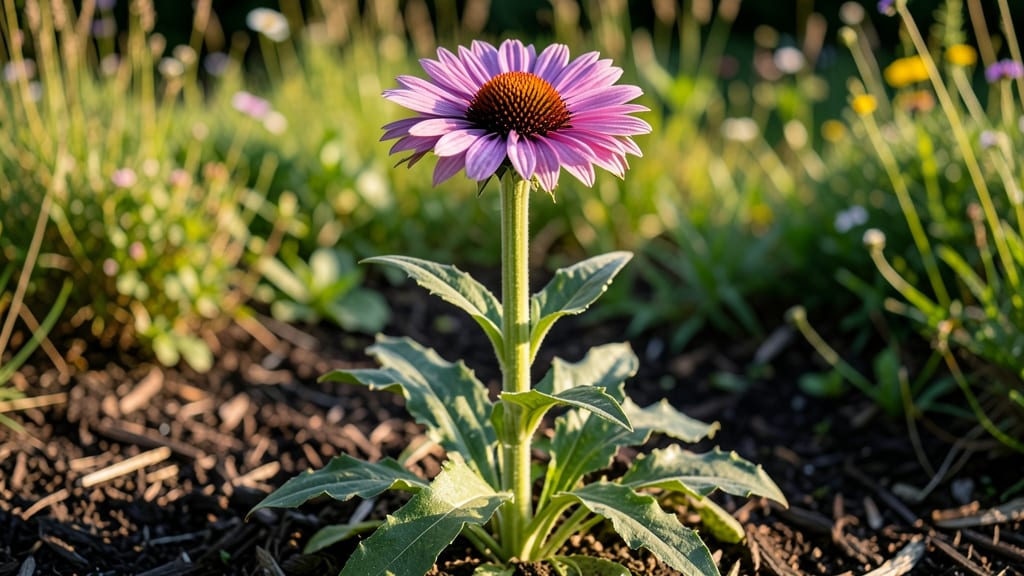
Summer-blooming perennials deliver vibrant color that lasts all season and often returns in fall, with standout varieties like coneflowers, black-eyed Susans, and daylilies thriving in full sun with minimal maintenance. Opt for drought-resistant types to simplify garden care.
These hardy plants store energy in their deep roots during winter, allowing them to push out new blooms when conditions are right. 🌸 The secret to their longevity lies in their ability to photosynthesize year-round, even when above-ground growth appears dormant.
Unlike annuals, they don't need replanting, making them the ultimate low-effort choice for gardeners who want seasonal color without the upkeep.
What makes them especially valuable is their ability to attract pollinators while requiring less water once established. Many varieties, like bee balm and Russian sage, continue flowering into early autumn, extending your garden's visual appeal naturally.
The key is selecting types that match your local climate and sunlight conditions—some thrive in partial shade while others demand full sun exposure.
💡 In This Article
- Why Summer-Blooming Perennials Return Year After Year
- Best Summer Perennials for Different Garden Conditions
Why summer-blooming perennials return year after year
The secret behind perennial flowers' ability to rebloom lies in their deep, fibrous root systems that act like natural energy banks.
Unlike annuals, which complete their entire life cycle in one season, perennials store carbohydrates and nutrients in their roots during summer growth, then draw on these reserves when conditions are right for new blooms.
This process, called overwintering, allows them to emerge stronger each spring—some varieties like daylilies can even produce secondary blooms in late summer if deadheaded properly.
Botanists explain this reblooming phenomenon through photoperiodism, where plants respond to daylight length. Most summer perennials need 12-14 hours of daylight to trigger flowering, which explains why they often bloom again in late summer when days start shortening.
Take bee balm for example: its first flush appears in early summer, but if you remove spent blooms, it can produce a second wave in August—this happens because the plant perceives the daylight changes as a new growing opportunity rather than dormancy signals.
The color intensity of these flowers also serves a survival purpose. Bright hues like purple coneflowers or golden black-eyed Susans aren't just for show—they attract pollinators that help fertilize the plants, ensuring seed production for the next generation.
What's fascinating is how some perennials, like Russian sage, develop a woody base over time, which provides additional storage for water and nutrients during dry spells, making them exceptionally drought-tolerant once established.
What most gardeners don't realize is that reblooming ability varies dramatically between varieties. Single-bloomers like peony put all their energy into one spectacular show in spring, while repeat-flowerers like shasta daisies produce smaller but continuous blooms throughout summer.
The difference comes down to their genetic programming—some species have evolved to take advantage of longer growing seasons by producing multiple flowering cycles when conditions permit. This natural adaptation is why you'll often see these plants thriving in wild meadows where they face similar seasonal challenges.
Consider the daylily as a perfect example: its deep rhizomes can spread 12-18 inches per year, creating a dense network that stores enough energy to support multiple blooming periods.
The plant's ability to regenerate from just a small root fragment means it can recover from damage and continue producing flowers for decades with minimal care. This resilience is what makes perennials the backbone of low-maintenance gardens—once planted, they become self-sustaining systems that require only occasional deadheading and mulching.