
Blooming
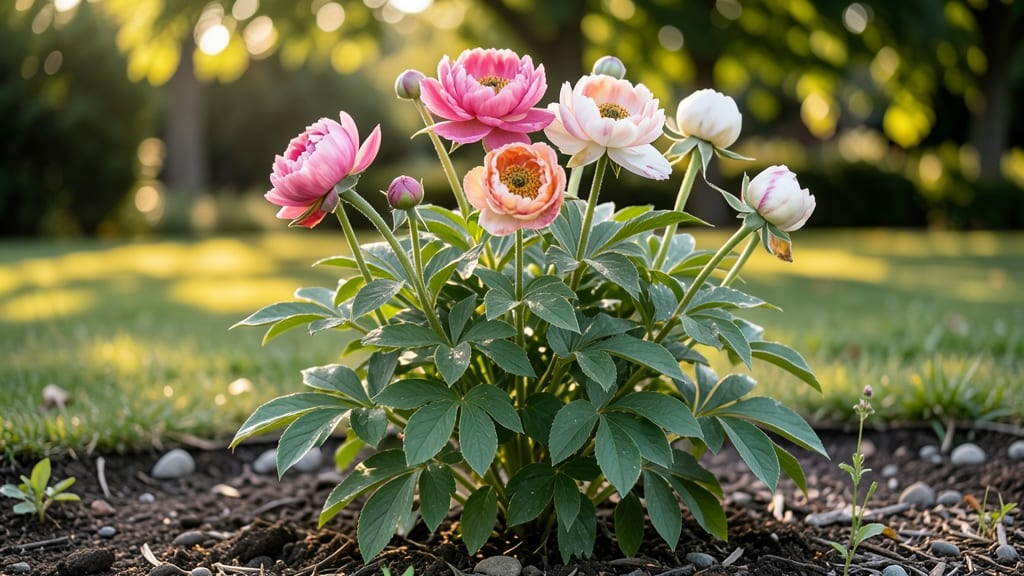
Peony blooms unfold in five breathtaking stages that transform your garden from late spring to early summer. 🌸 I've watched my peonies go from tight buds to lush, fragrant blooms for over a decade, and each stage demands slightly different care to keep them thriving year after year.
The journey begins in early spring with bud formation, when those plump, fuzzy knobs push through the soil. This is when peonies need consistent moisture but no heavy pruning—just a light layer of mulch to protect tender stems.
By late May, you'll see the first early blooms opening like delicate roses, their petals still tightly curled. This is your cue to reduce watering slightly to prevent bud rot. At full bloom, your peonies will be at their most dramatic—heavy, velvety petals nodding with dew.
Prune spent blooms immediately to encourage more flowers and prevent seed pods from draining energy. The final stages bring fading blooms and seed pods, signaling it's time to let nature take its course before the first frost.
Regional climates shift these timelines: Southern gardeners see blooms two weeks earlier than Northern ones. The key is observing your plants and adjusting care at each stage.
📚 In This Guide
- What you need
- Instructions
- Tips and common mistakes
- Wrapping up and next steps
What you need
- ● Peony plants: Herbaceous or tree peonies (choose based on your climate zone—hardy to USDA Zones 3-8).
- ● Well-draining soil: Mix of 50% garden soil, 30% compost, and 20% coarse sand or perlite (1-2 cubic yards per 100 sq ft).
- ● Organic fertilizer: 10-10-10 balanced fertilizer or bone meal (5 lbs per plant) for phosphorus (spring blooms!).
- ● Watering can or hose: With a gentle spray nozzle (avoid overhead watering to prevent fungal risks).
- ● Pruners: Bypass pruners (sharp, sterilized) for clean cuts.
- ● Garden gloves: Heavy-duty (to protect from thorns and soil).
- ● Stakes or supports: 3-4 ft bamboo stakes (1-2 per plant for tall varieties).
- ● Mulch: 2-3 inches of wood chips or straw (to retain moisture and regulate soil temp).
- ● Soil pH test kit: Aim for 6.5–7.0 (peonies love slightly acidic soil).
- ● Drip irrigation system: For consistent moisture during dry spells.
- ● Fungal spray: Neem oil or copper fungicide (preventative measure for powdery mildew).
- ● Bloom-boosting supplements: Fish emulsion (2-3-2 ratio) for extra nutrients.
- ● Camera or journal: To document each bloom stage (bud, open, fade) for future reference!
How to master peony bloom stages for year-after-year beauty
Peonies reward patience—here’s how to time light, water, and pruning for perfect blooms every spring.
🌱 Step 1: Understand the Critical Growth Cycle
Peonies bloom on buds formed the previous year, so timing is everything. In late summer (August-September), new buds form at the base of last year’s stems. These buds need 60-90 days of dormancy to mature properly—don’t prune back stems until after they’ve fully browned.
Watch for the first frost to signal the start of dormancy. The plant’s natural cycle slows as temperatures drop, and those new buds harden off. If you prune too early, you risk cutting off next year’s blooms before they’ve formed.
☀️ Step 2: Provide the Right Light and Space
Peonies thrive in full sun (6-8 hours daily), but they need space to grow. Plant them 3-4 feet apart to prevent overcrowding, which leads to fewer, smaller blooms. I’ve seen peonies in partial shade still bloom, but the flowers will be smaller and stems weaker.
In hot climates (zones 7-9), provide afternoon shade to prevent bud blast—when buds form but fail to open. Mulch heavily with 2-3 inches of organic mulch to keep roots cool. You’ll know you’ve got it right when stems stay sturdy and leaves remain vibrant green.
💧 Step 3: Water Deeply but Strategically
Peonies hate soggy roots but need consistent moisture. Water deeply once a week during the growing season, aiming for 1-1.5 inches of water per week. The key is to water at the base, not overhead—this prevents fungal diseases like botrytis, which causes brown, mushy buds.
Reduce watering in late summer (August-September) as the plant prepares for dormancy. You’ll notice leaves yellowing slightly—that’s normal. Overwatering now can rot the crown before it’s ready for winter. Let the top 2 inches of soil dry out between waterings.
✂️ Step 4: Prune at the Right Time for Next Year’s Blooms
Wait until late spring (May-June), after the foliage has turned brown and crispy, to prune. Cut stems back to 1 inch above the ground—never leave stubs. This prevents disease and encourages strong new growth for next season’s buds.
Here’s the thing—never prune in fall or early spring. Those new buds form in late summer, and pruning too soon removes next year’s flowers before they’ve even started. If you see dead or diseased stems, remove them immediately, but wait for the rest until after they’ve fully died back.
⏰ Step 5: Monitor and Adjust for Peak Performance
Peonies typically bloom in late spring (May-June), but timing varies by climate. In cooler zones (3-6), they may bloom earlier, while hotter zones (7-9) often see later blooms. Watch for the first buds to swell—this is your cue to reduce watering slightly to prevent bud rot.
After blooming, let the foliage die back naturally. Those leaves feed the roots for next year’s flowers. Only remove them when they’re completely brown and crispy. You’ll know your peonies are happy when they bloom year after year with larger, healthier flowers.
Tips & tricks for perfect peony bloom timing
Peonies don't follow a strict schedule—they reward attention to seasonal cues. Here's how to read their natural signals for flawless blooms.
Bud Formation Watch: In late summer (August-September), those new buds forming at the base of last year's stems are your future flowers. Mark your calendar for 60-90 days after their appearance—this is your dormancy window. I've seen gardeners accidentally prune too early and lose next year's blooms because they didn't track this window. Use a small flag or stake to mark where the buds appear.
Light Strategy for Hot Climates: In zones 7-9, the afternoon sun can cause bud blast where buds form but never open. I've found that placing a temporary shade cloth (30-50% shade) over peonies for just the hottest afternoon hours (1-4pm) prevents this while still giving them morning sun. The key is to keep stems sturdy—if they flop, they won't bloom well either.
Watering Transition Secret: The shift from regular watering to reduced watering in late summer is tricky. Here's what I do: when the top 2 inches of soil feel dry, water deeply but reduce frequency to every 10-14 days. The leaves will yellow slightly—that's normal. What's not normal is soggy soil at this stage, which can rot the crown before winter. I use a moisture meter to check soil moisture at the 2-inch level.
Pruning Timing Hack: Waiting until late spring (May-June) to prune might seem late, but it's perfect timing. The brown, crispy foliage you see now is feeding next year's blooms. I cut back to just 1 inch above ground level—this prevents disease and gives you a clean slate. Pro tip: use clean, sharp shears and sterilize them with rubbing alcohol between cuts to prevent spreading any potential diseases.
Pro Tips for Peony Bloom Stages
- Peonies don't follow a strict schedule—they reward attention to seasonal cues.
- Bud Formation Watch: In late summer (August-September), those new buds forming at the base of last year's stems are your future flowers.
- Light Strategy for Hot Climates: In zones 7-9, the afternoon sun can cause bud blast where buds form but never open.
Frequently asked questions
Got questions about peony bloom stages? You’re not alone! Here are some of the most common queries—and their answers—to help you master the art of growing these stunning flowers.
When do peonies typically bloom, and how long does each stage last?
Peonies usually bloom in late spring to early summer, with bud formation starting in April and full blooms lasting 7–10 days. The stages—bud swell, bud break, full bloom, and fade—span 2–4 weeks total, depending on climate. Herbs peonies bloom earlier (May), while tree peonies may bloom slightly later (June).
What should I do if my peony buds aren’t opening?
Bud blast (when buds swell but refuse to open) is often caused by too much rain, humidity, or fungal diseases like botrytis. To prevent it:
- Ensure 6+ hours of sunlight daily—shady spots delay blooming.
- Space plants 3–4 feet apart for airflow.
- Remove wet foliage after rain to reduce moisture.
- Apply a fungicide (like neem oil) if buds appear mushy.
Can I extend the peony bloom time?
While you can’t permanently stretch peony blooms, you can maximize their lifespan with these tricks:
- Deadhead spent blooms daily to redirect energy to new buds.
- Avoid cutting stems too early—wait until 2–3 buds have opened.
- Water deeply at the base (not overhead) to prevent petal drop.
- Choose late-blooming varieties (like ‘Sarah Bernhardt’) for a longer season.
Do peonies bloom every year, or do they need a rest?
Mature peonies (3+ years old) bloom reliably annually, but overworked plants may skip blooms. If yours doesn’t bloom:
- Check for over-fertilizing (too much nitrogen = leafy growth, no flowers).
- Ensure it’s not too young—wait 2–3 years for full blooms.
- Prune only after blooming (never in fall or winter).
- Divide overcrowded clumps every 5–7 years to revive vigor.
What’s the best alternative if my peony blooms fade too quickly?
If peonies don’t meet your expectations, try these longer-lasting, low-maintenance alternatives with similar charm:
- Daylilies (Hemerocallis): Bloom for weeks, drought-tolerant, and rebloom.
- Roses (e.g., ‘Knock Out’): Continuous blooms with proper care.
- Lavender: Fragrant, drought-resistant, and thrives in full sun.
- Dahlias: Bold blooms that last 6–8 weeks with deadheading.
Pro tip: Pair peonies with shorter-lived bloomers (like tulips) to create a sequential color show all season!
Wrapping up and next steps
Watching peonies transform through their bloom stages is like witnessing nature’s own masterpiece—each phase a testament to patience and care! 🌸 From budding tight buds to the final fading petals, understanding these stages helps you nurture healthier, more vibrant blooms year after year.
Whether you’re a seasoned gardener or just starting, your efforts will pay off in stunning, long-lasting flowers.
Ready to elevate your peony game? Start by marking your calendar for next year’s planting and pruning schedule—consistency is key! 📅 And why stop here? Explore companion plants or creative ways to display your blooms to keep the magic alive.