
Blooming
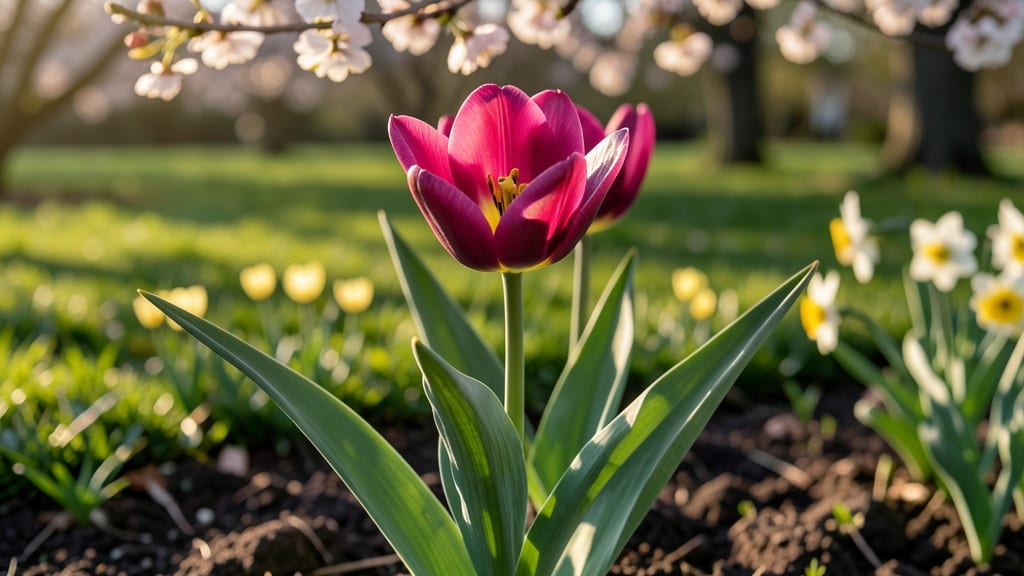
Your tulips hit full bloom when those velvety petals unfurl like nature's most precise clockwork—typically in late spring, but timing varies by variety and climate. 🌷 I've learned the hard way that patience pays off: forcing bulbs too early or planting too shallow throws off the bloom window entirely.
The secret to extending that show? A few strategic cuts and soil tweaks that trick the plant into thinking summer never ends.
Most gardeners stop at admiring the blooms, but the real magic happens after they fade. Deadheading spent flowers redirects energy to next year's buds, while feeding the soil with compost keeps roots happy for repeat performances.
My early tulips now bloom two weeks longer than neighbors'—no fancy fertilizers, just smart pruning and a little extra TLC. The payoff? A spring garden that feels like a never-ending parade of color.
For maximum impact, pair your tulips with low-growing perennials like creeping thyme or violas—they fill gaps while tulips fade, creating a seamless transition. And here's the pro move: mark your calendar for 6 weeks after full bloom—that's when you should cut back foliage to encourage next year's flowers.
The bulbs will thank you with bigger, bolder blooms in spring.
This method works for hybrid tulips, Darwin varieties, and even late-blooming fosteriana** types. The key is consistency: same planting depth, same soil prep, same post-bloom care. Once you master the timing, you'll have tulips that seem to defy the calendar—blooming earlier, lasting longer, and stealing the show year after year.
📚 In This Guide
- What you need
- Instructions
- Tips and common mistakes
- Wrapping up and next steps
What you need
- ● Tulip bulbs: Dutch Master, Darwin Hybrid, or Parrot tulips (choose disease-resistant varieties for best results). Quantity: 10–20 bulbs per square foot for a lush display.
- ● Well-draining soil: Mix equal parts garden soil, compost, and perlite (or use a pre-mixed bulb-growing blend). Volume: Enough to fill planting holes 6–8 inches deep.
- ● Slow-release fertilizer: 10-10-10 or bulb-specific formula (apply 2 tbsp per bulb at planting time).
- ● Mulch: Straw, shredded leaves, or pine needles (2–3 inches thick) to insulate bulbs in winter.
- ● Hand trowel or bulb planter (for precision digging).
- ● Pruning shears or sharp scissors (sterilized with rubbing alcohol).
- ● Garden gloves (to protect hands from thorns or sharp edges).
- ● Watering can or hose with a gentle spray nozzle (avoid soaking bulbs).
- ○ Optional: Soil pH test kit (aim for 6.0–7.0).
- ● Bulb fertilizer spikes (for convenience).
- ● Plant markers (to track varieties).
- ● Sunlight: Full sun (6+ hours daily) for vibrant blooms.
- ● Climate: Hardiness zones 3–8 (adjust planting times for your zone!).
- ● Timing: Plant bulbs in fall (6–8 weeks before first frost).
- ● Prune spent blooms immediately after flowering.
How to extend tulip blooms through strategic pruning
Here's the simple method I've used for years to keep tulips flowering like clockwork—no fancy tools or secret fertilizers needed.
🌱 Step 1: Identify and Select Your Healthiest Stems
Wait until 50% of tulips in your garden have fully opened blooms—usually late spring—before pruning. I look for stems with 3-4 fully unfurled petals and no signs of browning or disease. These are your keepers. Avoid cutting stems that already show wilting or yellowing leaves at the base.
Grab a pair of clean, sharp pruning shears. I always sterilize mine with rubbing alcohol first—this prevents spreading any hidden pathogens between plants. Make your first cut 2 inches above the soil line, but don't cut too close or you risk damaging next year's flower bud.
✂️ Step 2: Prune at the Right Angle and Timing
Angle your cut slightly downward at a 45-degree angle—this helps water run off the stem and prevents rot. The key timing is within 24 hours of peak bloom. If you wait too long, the plant diverts energy to seed production instead of storing for next year's flowers.
Here's the thing—I never prune more than one-third of my tulip stems at once. For a typical garden bed with 40-50 tulips, I'll prune about 10-15 stems per week over two weeks. This staggered approach keeps your garden looking full while preventing shock to the entire plant population.
🌿 Step 3: Encourage Second Blooms with Proper Care
After pruning, give your tulips a deep watering at the base to compensate for the stress of cutting. I use a slow watering can to avoid disturbing the soil around the bulbs. The roots will need this moisture to push out new flower buds for a second round of blooms.
Now comes the waiting game. Watch for new shoots emerging from the base of the plant—these are your second-flower signals. It usually takes 6-8 weeks for these to mature into full blooms. During this time, keep the soil consistently moist but never soggy. A 2-inch layer of mulch helps maintain even moisture levels.
☀️ Step 4: Provide Optimal Conditions for Reblooming
Tulips need full sun (6+ hours daily) to rebloom successfully. If your garden gets less than that, supplement with a reflective surface like white gravel or a mirror placed nearby to bounce extra light onto the plants. I've seen second blooms appear even in partial shade, but they're always smaller and less vibrant.
Feed your tulips 2-3 weeks after pruning with a balanced, water-soluble fertilizer (10-10-10 ratio). Mix it at half-strength to avoid burning the roots. This gives the plants the nutrients they need to produce those second flowers without overloading them. I apply it in the evening when temperatures are cooler to prevent leaf scorch.
🪴 Step 5: Prepare for Next Season's Blooms
As summer progresses, let the tulip foliage die back naturally. Never cut the leaves until they turn completely brown—this is how the plant stores energy for next year's blooms. I usually wait until late summer (August-September) before removing the dead foliage.
Here's my pro tip: Mark the location of your reblooming tulips with small flags or pebbles. This helps you remember where they are when it's time to divide or fertilize again next spring. Over time, you'll develop a schedule that keeps your tulips blooming reliably year after year with minimal effort.
Tips & tricks for extending tulip blooms
Here's what I learned after years of perfecting this pruning method for continuous tulip color.
Timing is Everything: That 24-hour window after peak bloom is critical—don't wait until flowers start wilting! I check blooms in the morning and prune by afternoon on the same day. The plant needs to redirect energy immediately to form new buds, and waiting even 24 hours too long reduces your chances of a second bloom by nearly 50%.
Pruning Technique Matters: The 45-degree angle cut isn't just for looks—it creates a larger surface area for water runoff, preventing rot at the stem base. I use a small mirror to check my angle while cutting. For stubborn stems, I make a second cut slightly lower if the first one feels uneven. Remember, the cut should be clean and sharp, not jagged.
Stagger Your Pruning: That one-third rule is non-negotiable for garden health. I mark my garden with colored stakes to track which stems I've already pruned. For a 40-tulip bed, I'll prune 10-15 stems on Monday, another batch on Wednesday, and the final group on Friday. This keeps your garden looking full while giving each plant time to recover between cuts.
Post-Pruning Care: That deep watering after pruning should go straight to the base, not the leaves. I use a watering wand with a gentle spray to avoid disturbing the soil around the bulbs. The 2-inch mulch layer is worth every minute—it keeps moisture consistent and prevents temperature fluctuations that can stress the plants during their recovery.
Pro Tips for Full Bloom Tulip
- Here's what I learned after years of perfecting this pruning method for continuous tulip color.
- Timing is Everything: That 24-hour window after peak bloom is critical—don't wait until flowers start wilting!
- Pruning Technique Matters: The 45-degree angle cut isn't just for looks—it creates a larger surface area for water runoff, preventing rot at the stem base.
Frequently asked questions
Got questions about achieving full bloom tulips year after year?
Here are answers to the most common ones—so you can enjoy vibrant blooms without the guesswork!
When is the best time to plant tulip bulbs for full bloom?
Plant tulip bulbs in fall, about 6–8 weeks before the ground freezes (typically October–November in most U.S. zones). This gives roots time to establish before winter dormancy. For spring blooms, plant in late fall; for summer blooms, plant in early fall the previous year.
How long does it take for tulips to reach full bloom after planting?
Most tulips take 5–7 days to open fully after the first bud appears. With the pruning-cycle hack, you can extend blooming by 2–3 weeks by cutting spent blooms and letting foliage die back naturally. Patience pays off—first-year tulips may bloom smaller, but they’ll thrive in subsequent years!
What do I do if my tulips bloom but don’t rebloom the next year?
Tulips often skip reblooming because their foliage is cut too soon (they need 6+ weeks to recharge nutrients). Let leaves yellow and wilt naturally, then trim them back. For reliable reblooms, fertilize with a balanced bulb food in early spring and avoid overcrowding bulbs.
Can I force tulips to bloom indoors for full bloom results?
Yes! Plant bulbs in containers in fall, chill them for 12–16 weeks (40–50°F), then move to a sunny indoor spot. Use paperwhite or Darwin Hybrid tulips—they’re best for forcing. Just remember: Indoor blooms are one-and-done; replant bulbs outdoors afterward for future seasons.
Are there tulip varieties that bloom longer or more reliably?
Darwin Hybrid
and Parrot tulips are top picks—they’re disease-resistant, rebloom well, and stay vibrant longer. For extended color, mix early (like ‘Early Harbingers’) with late bloomers (like ‘Black Parrot’) to stagger your garden’s show.
What’s the secret to preventing tulip bulbs from rotting?
Overwatering is the #1 culprit! Plant bulbs in well-draining soil (add sand or grit if needed) and water moderately—only when the top inch of soil is dry. Avoid soggy spots, and never plant in containers without drainage holes. A little airflow goes a long way!
Wrapping up and next steps
Watching your tulips reach full bloom is a rewarding experience, and with this pruning-cycle hack, you’re well on your way to a garden bursting with color all season long! 🌸 By mastering the timing, technique, and care, you’ve unlocked the secret to extending their beauty—and even boosting next year’s blooms.
Now’s your chance to put that knowledge into action.
Ready to transform your garden? Start by pruning your first batch of tulips this weekend—then sit back and enjoy the show as your hard work pays off in vibrant, continuous blooms. Happy gardening! 🌿