
Blooming
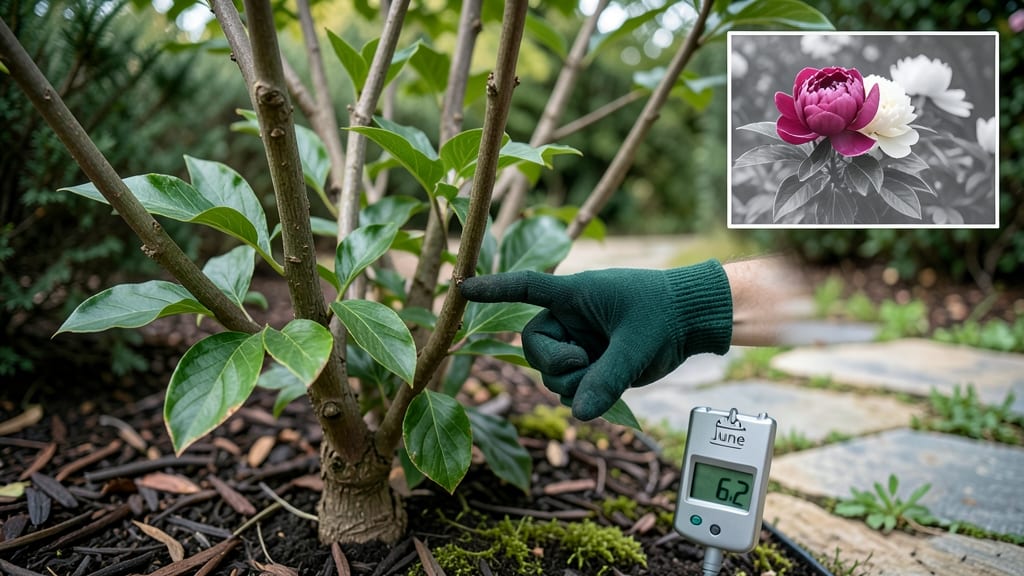
Peonies didn’t bloom this year? 🌸 I’ve been there—after years of waiting for those lush, fragrant blooms, it’s heartbreaking to see just leaves. The good news is that peonies often skip blooming for fixable reasons, and next season can be your showstopper year with a few targeted adjustments.
The most common culprits are sunlight deprivation, improper pruning (cutting too late or too hard), over-fertilizing with nitrogen-heavy feeds, or simply waiting too long for a young plant to mature.
My own peonies took four years to bloom reliably, and even established plants can need a reset after stress like drought or extreme heat.
Here’s the game-changer: prune correctly in late fall or early spring, reduce nitrogen fertilizer, and ensure they get 6+ hours of sunlight daily. For established plants, a light top-dressing of bone meal in early spring can encourage blooms without overfeeding.
The payoff? Next year’s blooms will be bigger, stronger, and more abundant than ever.
This works for both herbaceous and tree peonies, and the same principles apply whether you’re in a sunny border or a container garden. Let’s turn this year’s disappointment into next year’s garden highlight.
Common Reasons Peonies Skip Blooming
Peonies are the diva of the garden—stunning, reliable, and supposedly low-maintenance. But when they fail to bloom, it can feel like a betrayal. 🌸😬 The good news? Most causes are fixable with a little detective work.
Below, we break down the top scientific and environmental reasons your peonies threw in the towel this year—and how to diagnose them like a pro.
Peonies are dormant bloomers, meaning they need a winter chill period (typically 40–60 days below 40°F/4°C) to trigger flower buds. Without enough cold, they’ll focus energy on foliage instead of blooms.
How to spot it:
- Your region had an unusually warm winter (e.g., 2023’s mild winters in many zones).
- Peonies produced lush green leaves but no buds by late spring.
What to do next season:
- Plant in the right zone: Peonies thrive in USDA Zones 3–8. If you’re in Zone 9+, choose intersectional hybrids (like ‘Sarah Bernhardt’) bred for fewer chill hours.
- Mulch strategically: Apply 4–6 inches of organic mulch (straw or shredded leaves) in late fall to insulate roots. Remove it in early spring to avoid overheating.
- Try a "chill trick": If winters are too mild, cover plants with frost cloth in late fall to mimic cold stress. (Pro tip: 🌡️ Avoid plastic sheets—they trap heat and moisture, causing rot.)
Peonies hate being fed too much nitrogen-rich fertilizer (like lawn food or blood meal). Excess nitrogen = big leaves, no blooms—it’s like giving a marathon runner espresso before a sprint.
How to spot it:
- All foliage, no buds by early spring.
- Fast, bushy growth with weak stems.
What to do next season:
- Skip spring fertilization entirely. Peonies store energy in their roots and don’t need extra nitrogen until after blooming.
- Use the right fertilizer: If you must feed, use a balanced or low-nitrogen formula (like 5-10-10) only in early fall (September) to encourage root growth for next year’s buds.
- Avoid compost piles nearby: Peonies near fresh compost can get a nitrogen overdose. Keep compost at least 3 feet away.
Peonies are shallow-rooted divas—plant them too deep, and they’ll struggle to bloom (or even survive). The "eyes" (buds at the base of stems) must sit just below the soil line (1–2 inches deep) to receive sunlight and cold signals.
How to spot it:
- No buds at all (plant is essentially "sleeping").
- Stunted growth or yellowing leaves (sign of root stress).
What to do next season:
- Replant correctly: Dig a hole twice as wide as the root ball but only 1–2 inches deep. The eyes should be 1–2 inches below soil level.
- Check drainage: Peonies hate soggy roots. If your soil is clay-heavy, amend with sand or perlite to improve drainage.
- Divide mature clumps: If your peony is older than 5 years, it may be overcrowded. Dig up, separate the crowns, and replant sections with eyes at the soil line.
Peonies need full sun (6–8 hours daily) to bloom, but scorching afternoon sun in hot climates can also stress them. Shade = leggy stems and few flowers; too much sun = wilting or leaf burn.
How to spot it:
- Buds form but drop off (heat stress).
- Long, weak stems with small or no blooms (shade stress).
What to do next season:
- Find the Goldilocks spot: Morning sun + afternoon shade (e.g., near a deciduous tree) works best in hot zones (Zones 7–9).
- Use drip irrigation: Deep watering 1–2 times per week (not daily light sprinkles) prevents stress. Avoid overhead watering—it can cause disease (like botrytis blight).
- Mulch for temperature control: Straw or wood chips keep roots cool in summer and warm in winter.
Hidden culprits like Japanese beetles, slugs, or fungal diseases (like powdery mildew) can devour buds or weaken plants before they bloom.
How to spot it:
- Chewed leaves/buds (beetles or slugs).
- White powdery coating on leaves (mildew).
- Blackened or mushy stems (root rot).
What to do next season:
- Handpick beetles (drop them in soapy water 🐞🚫).
- Set up beer traps for slugs (bury a shallow dish of beer near plants).
- Spray neem oil in early spring to prevent mildew.
- Improve airflow: Prune nearby plants to reduce humidity around peonies.
Peonies bud early (often by late April–May), making them vulnerable to:
- Late spring frosts (kills buds).
- Heavy rain before blooming (causes bud blast or rot).
How to spot it:
- Buds swell but turn black/mushy (frost damage).
- Drooping or rotting buds (rain + humidity).
What to do next season:
- Plant in a sheltered spot (away from wind tunnels).
- Use frost cloth if a late frost is forecasted.
- Water in the morning so buds dry quickly.
Peonies bloom every 2–3 years in cycles. If yours is 10+ years old, it might be taking a break to rebuild energy.
How to spot it:
- No blooms for 2+ years despite good care.
- Healthy foliage but no buds.
What to do next season:
- Be patient—they’ll bloom again!
- Divide the plant (every 5–7 years) to rejuvenate growth.
- Reduce fertilization to encourage natural dormancy cycles.
Revive Your Peonies for Next Year
If your peonies skipped their grand performance this season, don’t despair—there’s still time to diagnose the issue and set them up for a showstopping bloom next year.
Below, we’ll break down practical fixes based on the most common causes, along with prevention tips to ensure your peonies put on their best show in 2025.
Peonies need rich, well-draining soil packed with organic matter to thrive. If your soil is compacted, nutrient-poor, or waterlogged, blooms will suffer.
How to Fix It:
- 🔥 Amend the Soil – Mix in compost, aged manure, or peat moss (2–3 inches deep) around the plant’s base. Avoid fresh manure, which can burn roots.
- 🍳 Fertilize Properly – Use a balanced, low-nitrogen fertilizer (like 10-10-10) in early spring (just as new growth appears). Avoid high-nitrogen feeds—too much promotes leaves over flowers!
- 👨🍳 Test Soil pH – Peonies prefer slightly acidic to neutral soil (6.0–7.0). If your soil is too alkaline, add sulfur or pine needles to adjust pH.
💡 Prevention Tip:
- Mulch lightly (1–2 inches of straw or shredded leaves) in late fall to retain moisture and nutrients without suffocating roots.
Peonies need full sun (6–8 hours daily) to bloom well. If they’re in shade or crowded, they’ll focus on leaves instead of flowers.
How to Fix It:
- 🌞 Relocate if Needed – Move plants to a sunnier spot (even partial shade is better than deep shade). Peonies hate competition—space them 3–4 feet apart for airflow.
- 🔪 Prune Overgrowth – If nearby plants (like trees or shrubs) are stealing sunlight, trim them back in late winter or early spring.
- ⏰ Adjust Planting Depth – If peonies were planted too deep, they may struggle. The "eyes" (buds) should sit 1–2 inches below soil—no deeper!
💡 Prevention Tip:
- Plant in early fall (not spring) for stronger root establishment before winter.
Too much or too little water can stress peonies, leading to weak or no blooms.
How to Fix It:
- 🌡️ Improve Drainage – If soil stays soggy, raise beds or mix in sand/perlite. Peonies hate wet feet—ensure they’re not in low-lying areas.
- 💦 Water Deeply but Infrequently – 1 inch per week (more in extreme heat) is ideal. Water at the base, not overhead, to prevent fungal issues.
- 🎯 Mulch Correctly – Use 2–3 inches of organic mulch (like wood chips) to retain moisture but keep it 6 inches away from the stem to avoid rot.
💡 Prevention Tip:
- Avoid overhead sprinklers—they can cause powdery mildew, a common peony bloom-killer.
Poor pruning habits can weaken peonies or signal them to skip blooming.
How to Fix It:
- 🔪 Prune After Blooming – Cut back spent flowers (but leave foliage until late fall)—this allows the plant to store energy for next year.
- ⏰ Never Prune in Fall or Winter – Peonies store nutrients in their roots over winter. Pruning too early can reduce next year’s blooms.
- 🌿 Remove Seed Pods – If peonies produce seed heads, snip them off to redirect energy to blooms, not seed production.
💡 Prevention Tip:
- Label your plants so you don’t accidentally dig up peonies (they’re slow to establish if disturbed).
Peonies can be vulnerable to aphids, botrytis blight, or powdery mildew, all of which weaken plants and reduce blooms.
How to Fix It:
- 🦟 Treat Aphids Early – Spray with soapy water (1 tsp mild soap per quart of water) or introduce ladybugs for natural control.
- 🍄 Prevent Botrytis Blight – Space plants widely for airflow and remove infected leaves immediately.
- 🌡️ Fight Powdery Mildew – Apply neem oil or sulfur spray in early spring before symptoms appear.
💡 Prevention Tip:
- Rotate plants every few years if diseases persist—peat moss or sand can help break disease cycles.
If your peonies are healthy but still not blooming, try these forced-bloom tricks:
- 🔥 Chill Them Out – Peonies need winter dormancy to bloom.
If you’re in a mild climate, mound soil around the base in late fall to mimic cold. - 🍳 Feed for Flowers – Switch to a phosphorus-heavy fertilizer (like 5-10-5) in early spring to encourage blooms over leaves. - 🌱 Divide Every 5–7 Years – Overcrowded peonies skip blooming.
Dig up clumps in early fall, split the roots, and replant eyes 1–2 inches deep.
Final Thought: Peonies are patient plants—they often skip a year before putting on a spectacular show. With the right care now, you’ll be rewarded with lush, fragrant blooms next spring! 🌸✨
Frequently asked questions
My peonies are young—how long should I wait before expecting blooms?
Peonies typically take 2–3 years to establish and bloom after planting, though some varieties may take up to 5 years in cooler climates. If your plant is younger than 3 years old, don’t worry—focus on giving it full sun and proper soil to build strong roots. Patience pays off!
Could last year’s extreme weather (like drought or heatwaves) have affected my peonies?
Peonies are sensitive to stress from extreme heat or drought. If your area had unusually hot summers or dry spells, your plants may have diverted energy to survival instead of blooming. To recover, water deeply 1–2 times per week and mulch with straw to protect roots. Next spring, they should bounce back!
I pruned my peonies last fall—could that have caused the no-bloom issue?
Yes! Pruning too early or too aggressively in fall/winter can signal peonies to skip blooming. The key is to wait until after blooming (late summer) to trim spent flowers, then leave foliage until late fall to store energy. If you pruned too soon, don’t worry—just avoid cutting back again this year and focus on proper care next season.
My peonies have buds forming but they drop off—what’s happening?
This is often caused by late spring frosts, heat stress, or overwatering. Buds form early (often by April–May) and are vulnerable to temperatures below 32°F (0°C). To prevent this, plant in sheltered spots, use frost cloth if frost is forecasted, and water at the base in the morning to avoid fungal issues.
Should I fertilize my peonies now, or wait until spring?
Skip fertilizing now! Peonies store energy in their roots over winter, and spring is the best time to feed. Use a low-nitrogen, phosphorus-rich fertilizer (like 5-10-5) when new growth appears in early spring. Avoid high-nitrogen feeds—they encourage leaves but suppress blooms.